
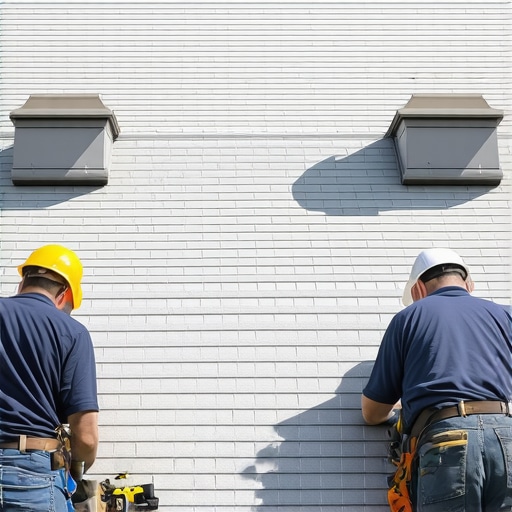
The 2:00 AM Racket: When the Attic Starts Screaming
You’re lying in bed, and there it is—that rhythmic plink, plink, plink hitting the drywall of your bedroom ceiling. It’s not a ghost; it’s a physics problem. Most homeowners assume a roof leak means a tree branch poked a hole or a hurricane ripped off a square of shingles. But as any veteran of the trade will tell you, the most common culprit is a penetrations failure. Specifically, the roof vent. My old foreman, a man who had more tar under his fingernails than blood in his veins, used to say, ‘Water is patient. It will wait for you to make a mistake, and it will wait for the wind to blow just right to find it.’ He was right. Water doesn’t just fall; it travels, it climbs, and it sucks itself into your home through capillary action. By the time you see a brown ring on your ceiling, that water has already bypassed the shingles, soaked through the underlayment, and turned your attic insulation into a heavy, sodden mess that smells like a wet dog in a swamp.
The Anatomy of Failure: Why Vents Leak in 2026
When we talk about roofing companies coming out to fix a leak, we aren’t just looking for holes. We are looking for the breakdown of materials. Modern roof vents are often a mix of plastic, galvanized metal, and neoprene rubber. Over a decade of 140°F summer days followed by freezing winter nights, these materials expand and contract at different rates. This is called thermal shock. Eventually, the neoprene gasket around a pipe boot becomes brittle and cracks. Once that seal is gone, gravity does the rest. But it isn’t just gravity. Surface tension allows water to cling to the underside of the vent flange and ‘wick’ upward and over the top of the underlayment. This is the forensic reality of a roof leak: it’s rarely a catastrophic tear, but a microscopic failure of a seal that was never installed with enough ‘insurance’—that extra layer of protection that separates a craftsman from a trunk-slammer.
“A roof is only as good as its flashing.” – Old Roofer’s Adage
Fix 1: The Surgical Replacement of the Neoprene Boot
The most frequent call local roofers get involves the plumbing stack vent. This is the pipe that lets your toilets flush properly. Around that pipe is a rubber ‘boot.’ After years of UV exposure, that rubber turns into something resembling a dried-out saltine cracker. When it cracks, water runs straight down the PVC pipe and into your ceiling. A proper fix isn’t just slapping a bead of caulk on the crack. Caulk is a temporary band-aid that will fail within a season. The surgical fix involves carefully prying up the shingles surrounding the pipe—being careful not to tear the ‘mat’ of the shingle—and installing a new high-grade silicone boot. We prefer silicone in 2026 because it doesn’t dry out like the old petroleum-based rubbers. You have to ensure the top of the flange is tucked under the shingles above it, while the bottom of the flange sits on top of the shingles below. This creates a natural watershed. If you find a ‘shiner’—a nail that missed the framing and is just hanging out in the open—you pull it and seal the hole, or you’re just inviting the next leak.
Fix 2: High-Wind Ridge Vent Baffle Restoration
Ridge vents are great for letting your attic breathe, but they are notorious for leaking during wind-driven rain. If you live in a region where the wind kicks up to 50 mph, rain can actually be blown upward and underneath the ridge vent cap. The fix here is installing a baffled ridge vent with an internal filter. The baffle acts like a speed bump for wind, breaking the pressure so the rain drops out before it can get over the ‘hump’ and into your attic. If your current roofing companies just nailed down a piece of plastic without a baffle, you’re basically living under a giant straw. We often see these vents installed without enough ‘overhang’ on the shingles, meaning water can bypass the edge and hit the open slot in the roof deck. We fix this by widening the ridge cap and ensuring the deck slot isn’t cut too wide—standard practice dictates a 1-inch slot on either side of the ridge board, but some ‘pros’ get lazy and cut a 3-inch gap, making it impossible to seal properly.
Fix 3: The Cricket Construction for Wide Chimneys and Vents
If you have a large box vent or a chimney wider than 30 inches, you have a dam on your roof. Water hits the back of that vent and just sits there, pooling. This is where hydrostatic pressure becomes your enemy. As the water sits, it finds any tiny gap in the flashing and forces its way in. The forensic fix is a ‘cricket’—a small, peaked false roof built behind the vent to divert water to the left or right. According to the International Residential Code (IRC):
“A cricket or saddle shall be installed on the ridge side of any chimney or penetration greater than 30 inches wide.” – IRC R903.2.2
Many local roofers skip this because it’s time-consuming. They try to ‘caulk their way out of it.’ We tear it back to the decking, build the wood frame, and cover it with Ice & Water shield before installing the metal flashing. Without a cricket, that vent is a ticking time bomb for wood rot.
Fix 4: Solving the Attic Condensation Mystery
Sometimes, the ‘leak’ isn’t a leak at all. In colder climates, we see ‘attic rain.’ This happens when warm, moist air from your bathroom or kitchen leaks into the attic through a poorly sealed vent duct. That moisture hits the cold underside of the roof decking, turns to frost, and then melts when the sun hits the roof. It looks exactly like a roof leak, but the water is coming from inside the house. The fix is a total air-seal. We use spray foam to seal the ‘bypass’ where the vent pipe goes through the ceiling and ensure the exhaust duct is insulated all the way to the roof-mounted vent. If that duct is just laying in the insulation, it’s dumping gallons of water into your home every winter. You need a dedicated roof-mounted exhaust vent with a back-draft damper to keep the cold air out and the warm air moving toward the sky, not your plywood.
The Cost of the ‘Quick Fix’
You can hire a guy with a ladder and a tube of roof cement for $100, and he might stop the drip for a week. But roofing is about more than just stopping a drip; it’s about moisture management. When water gets under your shingles, it starts a slow-motion demolition of your home. The plywood begins to delaminate, the rafters begin to grow ‘white fuzz’ (the start of mold), and eventually, the structural integrity of the roof is compromised. A square of shingles weighs about 200 pounds; when the decking underneath is soft as oatmeal, that’s a lot of weight hanging over your head. When you call roofing companies in 2026, demand a forensic look. Ask about the flashing, ask about the ‘Ice & Water’ underlayment, and don’t let them leave until they’ve checked the attic for bypasses. A real roofer knows that the shingle is just the pretty skin—it’s the flashing and the vents that do the heavy lifting.