
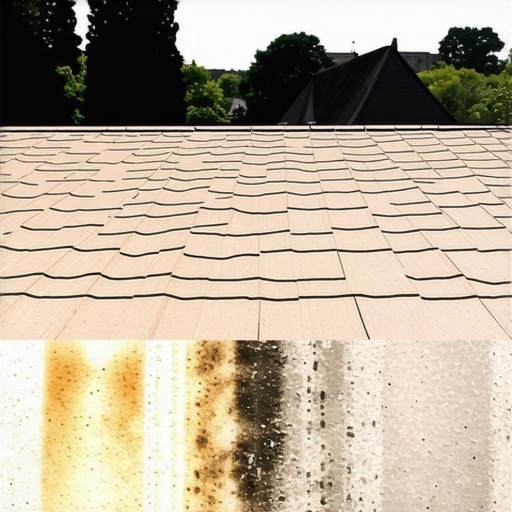
The Forensic Scene: A Roof That Felt Like a Marsh
Walking on that roof last Tuesday felt like navigating a high-altitude marsh. Every step had a sickening give to it, a subtle squelch that shouldn’t exist 30 feet above the driveway. The homeowner stood below, shouting up that they only noticed a small brown spot in the guest bathroom. I knew exactly what I’d find underneath the shingles. It wasn’t just a leak; it was a systemic respiratory failure of the entire structure. Most roofing companies would have slapped a patch on it and cashed the check, but if you don’t understand the physics of moisture, you’re just putting a tuxedo on a corpse. By 2026, we are seeing a massive uptick in these ‘silent failures’ because modern homes are built so tight they can’t breathe, and the roof is the first place that shows the strain. Here is the forensic breakdown of what is actually happening when your roof starts to fail from the inside out.
Sign 1: The ‘Orange Freckle’ (Oxidized Fasteners and Attic Bypass)
When I crawl into an attic, the first thing I look for isn’t water. It’s rust. If I see shiners—nails that missed the rafter and are sticking out through the roof deck—covered in orange dust, I know we have a moisture problem. This isn’t usually from a hole in the shingles. It’s condensation. In cold climates, warm, humid air from your kitchen or shower escapes into the attic through ‘attic bypasses’—tiny gaps around light fixtures or plumbing stacks. When that 70°F air hits a nail that is currently 20°F because it’s connected to the freezing outdoors, the air reaches its dew point instantly. It turns into liquid water, clings to the nail, and eventually drips onto your insulation.
“Attic ventilation is not a luxury; it is a fundamental requirement to prevent the accumulation of moisture and the subsequent degradation of the roof assembly.” – National Roofing Contractors Association (NRCA)
By the time you see a stain on your ceiling, those nails have likely been weeping for three seasons. The wood around them has begun a process of delamination. The glue holding your plywood together is failing, turning a structural component into something with the integrity of a wet cardboard box. Most local roofers will tell you it’s a shingle issue. It’s not. It’s a ventilation failure that is literally eating your house from the attic down.
Sign 2: The ‘Shadow Ridge’ (Hygroscopic Expansion and Buckling)
If you look at your roof during a sunset and see a series of horizontal ridges or ‘humps’ running along the squares, you aren’t looking at bad shingles. You are looking at the hygroscopic expansion of the roof deck. Wood is a sponge. When the humidity in your attic stays consistently above 60%, the plywood or OSB absorbs that vapor. Because the wood is nailed down tight at the edges, it has nowhere to go but up. It buckles.
This creates a ‘hump’ that lifts the shingle above it. Now, instead of the shingles laying flat and shedding water, they are ‘cocked’ upward. This creates a pocket where wind-driven rain can be pushed underneath the shingle via capillary action. Water doesn’t just fall down; it moves sideways and upward through tight spaces. Once that water gets under the shingle, it gets trapped against the underlayment, heating up during the day and cooking the wood. It’s a feedback loop of destruction that roofing companies often misdiagnose as ‘shingle curl’ caused by the sun. The sun is just the catalyst; the moisture in your attic is the fuel.
Sign 3: The ‘Black Margin’ at the Eaves (Capillary Creep and Ice Damming)
In the North, we see this every spring. You look at the very edge of your roof, near the gutters, and see a dark, damp line that never seems to dry out. This is the hallmark of a failure in your Ice & Water Shield or a complete lack of kick-out flashing. When ice dams form at the eaves, they create a reservoir of standing water. Shingles are designed to shed water that is moving, not water that is sitting. Under hydrostatic pressure, that standing water finds the smallest path of least resistance.
“A roof system shall be designed to shed water. Where ice damming occurs, the assembly must include a self-adhering polymer-modified bitumen sheet.” – International Residential Code (IRC), Section R905
If your local roofers didn’t install the underlayment properly over the drip edge, that water will ‘wick’ backward into the fascia board and the ends of your rafters. This is where the smell comes in—that earthy, rotting-log scent. Once the rafter tails rot, you’re not just looking at a roof replacement; you’re looking at structural carpentry. This is why I always tell homeowners: a ‘cheap’ roof is the most expensive thing you will ever buy. If they aren’t pulling back the old wood to see the condition of the rafter tails, they are just burying the problem for the next guy to find.
The Physics of the Fix: Surgery vs. Band-Aids
Most roofing companies will offer you a ‘Band-Aid’—a tube of caulk and some new shingles. But if you have 2026-level moisture issues, you need surgery. This means a full tear-off down to the bones. We need to inspect every square of decking for ‘soft spots.’ We need to ensure that the cricket behind your chimney is actually diverting water and not just acting as a dam. We have to look at the valleys to ensure the metal or weave isn’t allowing water to migrate under the transition. More importantly, we have to fix the R-Value of your attic insulation. If you don’t stop the heat from hitting the bottom of the roof deck, the moisture will return within two winters. Stop hiring ‘shingle flippers’ and start hiring forensic roofers who understand that your home is a pressurized vessel that needs to breathe.