
The Aesthetics of Survival: Choosing Your 2026 Roof
Walk into any design showroom today and they will try to sell you on the ’emotional resonance’ of a roof color. As a guy who has spent three decades peeling back layers of moldy OSB and hunting for the source of a phantom drip, I do not care about your emotions. I care about the physics of your shelter. When you call up local roofers looking for the ‘next big thing’ in 2026, you are likely being pitched a palette. But before we talk about whether ‘Midnight Espresso’ matches your shutters, we need to talk about what that dark pigment is doing to your attic temperature when the humidity hits 90% in July. My old foreman used to say, ‘Water is patient. It will wait for you to make a mistake.’ He was right, but he forgot to mention that the sun is just as relentless. In our humid coastal climate, a roof color is not just a fashion statement; it is the first line of defense against thermal shock and the inevitable creep of Gloeocapsa magma—that black algae that makes a three-year-old roof look like it belongs on a haunted house.
The Mechanism of Thermal Failure
To understand why specific 2026 colors are trending, you have to understand the ‘Mechanism Zooming’ of a shingle. An asphalt shingle is a sandwich: a fiberglass mat, a layer of asphalt, and a protective coat of crushed stone granules. Those granules are the only thing standing between the sun’s UV rays and the volatile oils in the asphalt. When you pick a color that is too dark for a high-UV zone, you are effectively inviting the asphalt to bake. As the oils evaporate, the shingle becomes brittle. It loses its ability to expand and contract. Then comes the ‘shiner’—a nail driven just a hair too shallow or deep. During the heat of the day, the roof deck expands; at night, it shrinks. A brittle shingle can’t handle that dance. It cracks around the nail head, and suddenly, you have a microscopic entry point for water. That water doesn’t just fall into your living room; it uses capillary action to move sideways, soaking into the plywood and turning it into a sponge long before you ever see a spot on the ceiling.
“The roof shall be covered with approved roof coverings secured to the building or structure in accordance with the provisions of this code.” — International Residential Code (IRC) R903.1
The 2026 Shingle Color Power Rankings
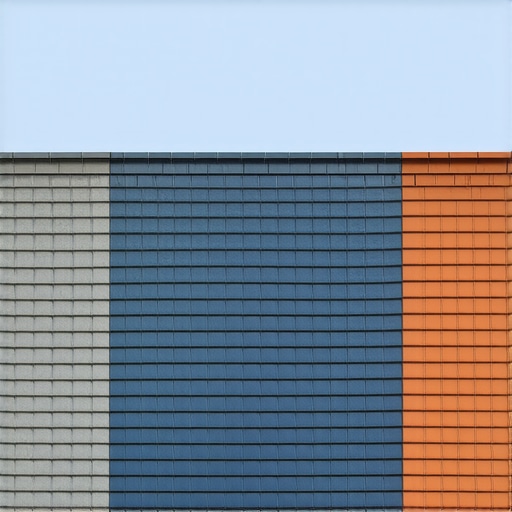
Based on the current trajectory of material science and local roofing trends, these are the three colors dominating the 2026 market, specifically engineered for resilience and curb appeal. First, we have Graphite Shadow. This is not your standard 1990s black. It’s a deep, multi-tonal grey designed with ‘cool-roof’ technology. It uses specialized granules that reflect IR radiation even though the color appears dark. This is the answer for homeowners who want that modern farmhouse look without turning their attic into a pizza oven. Second is Oyster Shell. This is a light, variegated tan that mimics the look of aged cedar or coastal stone. For local roofers in the Southeast, this is the gold standard. It hides the inevitable salt spray and dust while keeping the roof surface up to 30 degrees cooler than darker alternatives. Third is Deep Forest Teal. This is the bold choice for 2026. It taps into the biophilic design trend, but more importantly, these shingles are being manufactured with a higher concentration of copper-infused granules. This is the tech that prevents the black streaks of algae from taking hold, ensuring the roof looks as good in year ten as it did on day one.
The Warranty Trap and the Local Roofer Reality
You’ll hear roofing companies throw around the term ‘Lifetime Warranty’ like it’s a magic shield. It’s marketing nonsense. Read the fine print. Most warranties cover ‘manufacturing defects,’ which are rare. What they don’t cover is ‘improper installation’ or ‘acts of God.’ If a local roofer misses the nail line—creating a ‘shiner’—that ‘lifetime’ shingle is going to fail, and the manufacturer won’t give you a dime. You need to focus on the secondary water resistance. In our zone, that means a full-width ice and water shield in the valleys and at all penetrations. I’ve seen 50-year shingles fail in five years because the installer skimped on the starter strip or didn’t install a proper cricket behind a wide chimney. Water hits that flat spot, pools, and works its way under the flashings. It’s a slow-motion disaster that no fancy color can fix.
“A roof system’s performance is highly dependent on the quality of the installation and the compatibility of the components.” — National Roofing Contractors Association (NRCA)
Choosing Your Squad: Beyond the Quote
When you are vetting roofing companies for your 2026 project, stop looking at the bottom-line number. A ‘square’ of shingles (100 square feet) costs roughly the same for everyone. If one guy is $3,000 cheaper, he’s cutting it out of the labor or the ‘unseen’ materials. Is he reusing old drip edge? Is he skipping the ridge vent? Is he hiring ‘tailgate’ crews who don’t know the difference between a closed-cut valley and a woven one? A real pro will talk to you about ‘uplift ratings’ and ‘fastener schedules.’ They will show you how they intend to handle the transition where the roof meets the wall—the place where most leaks actually start. Don’t be seduced by a pretty sample board. Ask to see a forensic breakdown of their flashing technique. In the end, the best color for your roof is the one that stays attached during a gale and keeps the plywood dry enough to ring like a bell when you knock on it.