
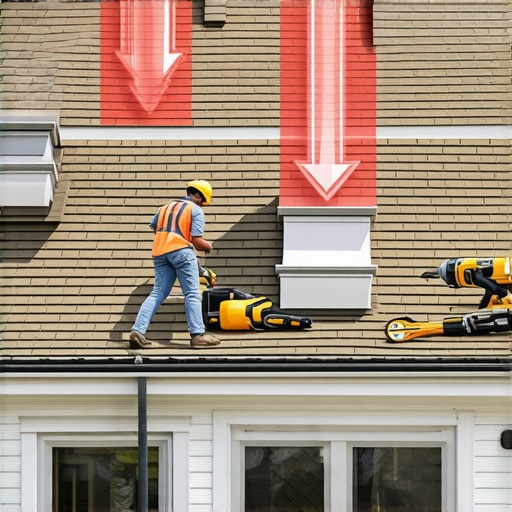
The Forensic Scene: Walking on a Sponge
I remember a call-out last November. The homeowner complained about a small leak over the master bedroom, but when I climbed the ladder and stepped onto the north-facing slope, my boot didn’t hit solid wood. It sank. It felt like walking on a giant, waterlogged kitchen sponge. I didn’t even need to pull a shingle to know what was happening underneath. The plywood hadn’t just gotten wet from a leak; it had rotted from the inside out. When we finally tore it off, the underside of the decking was black with mold, and the insulation was a matted, gray mess. This wasn’t a failure of the shingles. It was a failure of the lungs of the house. Local roofers often focus on the ‘skin’ (the shingles), but they ignore the ‘breath’ (the airflow). As we look toward 2026 standards, the physics of attic ventilation are becoming more complex as building envelopes get tighter.
The Physics of Failure: Why Your Roof is Choking
Roofing companies often talk about ventilation as a luxury, but in cold climates, it is a survival mechanism. The enemy isn’t just rain; it is the dew point. When warm, moist air from your shower or kitchen migrates into the attic space through ‘attic bypasses’ (gaps around light fixtures or plumbing stacks), it hits the cold underside of your roof deck. This is where the physics of condensation take over. The water vapor turns back into liquid, soaking the wood. If that air doesn’t move out fast, you get rot. In 2026, with higher R-value requirements, the temperature differential between your heated living space and your attic will grow even wider, making airflow even more vital.
“Proper ventilation is essential to prevent moisture accumulation and to help extend the life of the roof covering.” – International Residential Code (IRC)
1. The Golden Ratio: Perfecting Intake and Exhaust Balance
The most common mistake local roofers make is thinking more exhaust is always better. I’ve seen ‘pros’ install three power fans on a single roof, thinking they were doing the homeowner a favor. In reality, they were creating a vacuum. If you have too much exhaust and not enough intake at the soffits, those fans will actually pull conditioned air right out of your house through the recessed lights. This is a disaster for your energy bill. For 2026, we are pushing for a strict 1:1 ratio. For every square foot of exhaust, you need a square foot of intake. We measure this in Net Free Area (NFA). If your roofing company isn’t calculating NFA with a calculator before they swing a hammer, they are just guessing with your money. Without proper intake, that ridge vent is just a decorative plastic strip.
2. The Baffle Battle: Solving the Soffit Clog
You can have the best soffit vents in the world, but if the ‘blow-in’ insulation crew came through and covered them up, they are useless. This is where the ‘Mechanism Zooming’ comes in. Look at the eaves. There should be a physical barrier—a baffle—that keeps the insulation from touching the roof deck. These baffles create a channel, a literal wind tunnel, that directs air from the soffit up along the underside of the plywood. I’ve seen thousands of ‘shiners’ (nails that missed the rafter) in attics where the baffles were crushed. These shiners act as tiny lightning rods for frost. In the winter, they grow white fuzzy coats of ice. When it warms up, they drip. Homeowners think they have a leak; they actually have a ventilation bypass. In 2026, we are seeing a shift toward extended-width baffles that provide a clear 2-inch gap for air, ensuring the ‘stack effect’ can actually function.
3. Eliminating the Attic Bypass
Airflow isn’t just about the roof; it’s about the ceiling. If your local roofers aren’t talking about air sealing, they aren’t roofing for the future. An attic bypass is any hole that allows air to leak from your house into the attic. Think of the chimney chase, the pull-down stairs, or the top plates of your walls. If these aren’t sealed with foam or caulk, you are pumping moisture into your attic at a rate of gallons per week.
“A roof is only as good as its flashing, but an attic is only as dry as its air seal.” – Old Roofer’s Adage
When we perform a forensic tear-off, we often find the worst rot directly above these bypasses. The moisture moves via capillary action into the wood fibers, breaking down the lignin and turning your structural deck into mulch. By 2026, integrated air-sealing will be a standard part of any high-end roofing contract.
4. Smart Ventilation and the Death of the Power Fan
The old-school way was to slap a motorized fan on the roof and call it a day. But those motors burn out, and they are noisy. The 2026 trend is toward passive, ‘smart’ ventilation. We are talking about high-profile ridge vents and solar-powered attic fans that only kick in when specific humidity thresholds are met. If you live in a climate where ice dams are a threat, you need the attic to be as cold as the outside air. If your ventilation is working, you shouldn’t see icicles hanging from your gutters. Icicles are a red flag—they mean heat is escaping, melting the snow on the roof, which then refreezes at the cold eave. This creates a dam, backing water up under the shingles and into your walls. Improved airflow keeps the roof deck cold, preventing the melt-freeze cycle entirely.
The Surgery: Why You Can’t Just ‘Add a Vent’
If your roof is already spongy, adding a vent is like putting a Band-Aid on a broken leg. You need surgery. This means a full tear-off down to the rafters, replacing the ‘oatmeal’ plywood with fresh CDX grade material, and then re-engineering the airflow from scratch. It’s expensive, yes. But the alternative is a structural failure that could take your ceiling down with it. When interviewing roofing companies, ask them about their ventilation plan first. If they start talking about ‘shingle color’ before they look at your soffits, show them the door. A real pro cares about the science of the system, not just the aesthetics of the square. [IMAGE]