
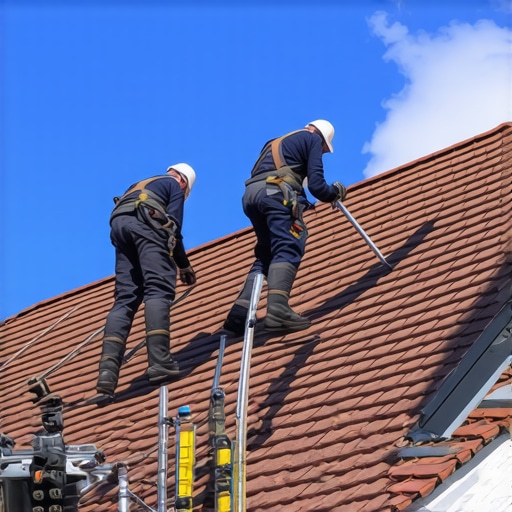
The Forensic Reality of the ‘Dirty’ Roof
Walking on that roof felt like walking on a sponge. I knew exactly what I’d find underneath before I even pulled a single tab. Most homeowners in the Southeast see those black streaks and think it is just a bit of soot or dust from the road. They are wrong. It is Gloeocapsa magma, a hardy cyanobacteria that is literally eating your investment. As a forensic roofer with twenty-five years of looking at the underside of failed systems, I can tell you that by the time you see the stains, the damage is already burrowing into your limestone filler. If you call the wrong roofing companies—the ones that show up with a high-pressure wand and a ‘can-do’ attitude—you are effectively paying someone to sandblast the life right out of your shingles. This isn’t about curb appeal; it is about preventing the structural rot that turns a 30-year architectural shingle into a 12-year catastrophe.
Understanding the Biology of Shingle Decay
To understand why cleaning is non-negotiable in 2026, you have to look at the physics of a shingle. Modern asphalt shingles are not just asphalt; they are a fiberglass mat coated in an asphalt-limestone mixture and topped with ceramic-coated granules. Those granules are your only defense against UV radiation. The algae thrive on the limestone. As they grow, they develop a root-like structure called rhizoids that wrap around the granules. When the wind blows or the rain hits, those rhizoids pull the granules off with them. You’ll see them piling up in your gutters like heavy sand. Once the granules are gone, the asphalt is exposed. The sun then begins a process called thermal shock. In the high humidity of the Gulf Coast or the Carolinas, the moisture gets trapped under these biological mats. Through capillary action, the water is sucked upward against gravity, moving under the shingle laps and sitting against the nail heads. This creates a ‘shiner’—a nail that wasn’t driven straight or is now rusting out—which provides a direct highway for water to hit your plywood. I have seen 5/8-inch CDX plywood turned to pulp just because a homeowner ignored a ‘little bit of moss’ in the valley.
“Asphalt shingles shall be fastened to solidly sheathed decks… the use of high-pressure spray to clean asphalt shingles is not recommended as it can cause premature granule loss and reduce the service life of the roof.” – International Residential Code (IRC) & ARMA Guidelines
Tip 1: The Soft Wash Protocol (Chemistry Over Pressure)
If a local roofer mentions a pressure washer, run. In 2026, the industry standard is Soft Washing. This involves a low-pressure delivery system (less than 100 PSI) that applies a chemical solution—usually a blend of sodium hypochlorite and specialized surfactants. The surfactant is the secret sauce; it breaks the surface tension of the water, allowing the biocide to penetrate the thick colonies of algae. You want a local roofing company that understands the ‘dwell time.’ The solution needs to sit long enough to kill the spores at the root without drying out the underlying bitumen. If it dries too fast, you’re not killing the algae; you’re just bleaching it, and it will be back in six months. This method protects the integrity of the fiberglass mat and ensures you aren’t stripping away the very granules that reflect heat away from your attic. When the attic stays cooler, your AC doesn’t work as hard, and your shingles don’t experience the 140-degree-to-70-degree thermal expansion cycles that cause cracking.
Tip 2: Zinc and Copper—The Silent Sentinels
Once the roof is clean, the goal is to keep it that way. Any veteran roofer will tell you to look at the shingles directly below a lead vent stack or a galvanized chimney flashing. Notice how they are perfectly clean? That is because metal ions are toxic to algae. For 2026 maintenance, we are recommending the installation of zinc or copper strips at the ridge cap. When it rains, minute particles of the metal are washed down the roof slopes. This creates an environment where biological growth cannot take hold. It is a passive defense system. It’s like having a permanent, invisible cleaning crew. However, you must ensure your roofing contractors use stainless steel fasteners for these strips to avoid galvanic corrosion, which happens when two dissimilar metals decide to start a chemical war on your roof deck.
Tip 3: The ‘Cricket’ and Valley Inspection
Cleaning isn’t just about the broad slopes; it is about the transition points. The valley is the most vulnerable part of your roof because it handles the highest volume of water. Debris—pine needles, leaves, and maple ‘helicopters’—collects here and acts as a dam. This dam forces water sideways, often over the top of the flashing and under the shingles. During your 2026 cleaning, have the local roofers inspect the cricket—that small peaked structure behind your chimney. If the cricket is clogged with gunk, the water will pool behind the chimney, eventually eating through the flashing cement and rotting the header. A clean roof is a dry roof, and a dry roof requires clear drainage paths. Don’t let a ‘trunk slammer’ tell you that blowing the leaves off is enough; you need to verify that the metal liners in those valleys aren’t being pitted by decaying organic matter.
“A roof is only as good as its flashing; the primary cause of roof failure is not material age, but the failure of the details at the penetrations.” – Old Roofer’s Adage
Tip 4: Assessing Granule Loss and ‘Bald Spots’
While the cleaning is happening, it is the perfect time for a forensic audit. After the algae is cleared, you might see ‘bald spots.’ These are areas where the asphalt is shiny or smooth. This is a sign of end-of-life for the material. If you see significant granule loss across more than 15% of a square (that is a 10-foot by 10-foot area in trade talk), no amount of cleaning will save you. At that point, the cleaning is just a cosmetic bandage on a mortal wound. Professional roofing companies should provide you with a photo report of these areas. If the asphalt is exposed, UV rays will bake the oils out of the shingle, making it brittle. Brittle shingles can’t handle wind uplift; they just snap off at the sealant strip during the first summer thunderstorm.
Tip 5: Clearing the Air (Attic Ventilation)
The biggest secret in the roofing trade is that roofs often rot from the inside out. If your local roofers are cleaning the exterior but your attic is a sauna, you are wasting your money. High humidity in the attic space, caused by poor ventilation or ‘dead air’ pockets, allows moisture to condense on the underside of the plywood. This moisture feeds mold and weakens the wood fibers, making the shingles above more prone to heat damage. During your 2026 cleaning, have the contractor check your soffit vents. Often, insulation contractors will blow fiberglass over the intake vents, choking the roof. A roof needs to breathe. If the intake and exhaust aren’t balanced, that expensive cleaning job won’t stop the shingles from curling due to the intense heat radiating from the attic floor.