
The Scent of Cooking Plywood: A Forensic View of 2026 Attic Heat
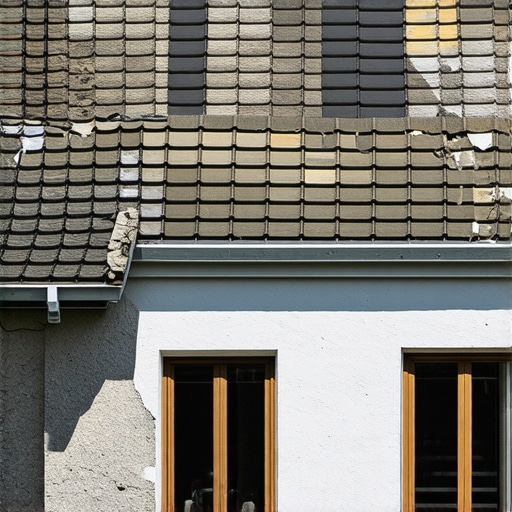
Walking on that roof in the blistering afternoon felt like walking on a stack of potato chips. Every step produced a sickening crunch that shouldn’t exist on a structure meant to last thirty years. I knew exactly what I’d find before I even pulled my pitch gauge or pried up a single shingle. This wasn’t a storm damage claim, and no amount of ‘hail’ talk from a door-knocker was going to change the reality: the attic was literally cooking the house from the inside out. As a veteran of twenty-five years on the deck, I’ve seen my share of ‘trunk slammers’ install a beautiful square of shingles over a dead ventilation system. By 2026, with the projected spike in thermal peaks, these mistakes aren’t just minor—they’re terminal for your property value.
“The primary purpose of attic ventilation is to maintain a balance between the temperature and moisture levels within the attic space and the exterior environment.” – International Residential Code (IRC)
1. The ‘Potato Chip’ Shingle (Molecular Degradation)
When most local roofers talk about heat, they talk about the sun hitting the roof. But the forensic reality is more sinister. It’s about the volatiles. Asphalt shingles stay flexible because of petroleum-based oils. In a poorly ventilated attic, the temperature can hit 160°F or higher. This creates a literal oven effect. The heat doesn’t just sit there; it migrates through the decking and stays trapped. Through a process called thermal migration, those essential oils are baked out of the shingle. By 2026, we’re seeing shingles that should be mid-life looking like they’ve been in a kiln. If you see edges curling upward or shingles that snap when you barely lift a corner, the asphalt has reached its glass transition point prematurely. The roofing has lost its ability to expand and contract. This is thermal shock in action.
2. The Granule Avalanche in Your Gutters
Look in your gutters. If you see what looks like a mountain of coffee grounds, your roof is shedding its skin. Those ceramic-coated granules are the only thing protecting the underlying asphalt from UV radiation. In an overheated attic scenario, the bond between the granules and the asphalt mat fails. It’s like the glue on a sticker drying out. When the attic is a pressurized box of hot air, the shingle mat expands excessively, stretching that bond until it snaps. Without those granules, the sun eats the asphalt in months, not years. Most roofing companies will tell you it’s ‘normal wear,’ but a forensic eye knows it’s a sign of a stifled attic.
3. Darkened ‘Toasted’ Plywood Sheathing
If you have the courage to crawl into your attic during the day, look up at the bottom of your roof deck. You’re looking for ‘toasting.’ When OSB or plywood is subjected to decades of heat in a single summer, the lignin—the natural glue holding the wood together—starts to break down. The wood will look dark, almost charred, even if there’s never been a fire. It smells like a dusty lumber yard. This isn’t just cosmetic; it’s structural. Brittle wood won’t hold a nail. When we find a shiner—a nail that missed the rafter—it’s often surrounded by a ring of black rot because the wood is so dry it actually pulls moisture out of the air during the night, then bakes it during the day. This cycle of expansion and contraction is why 2026 will be the year of the ‘wavy’ roofline.
“A roof is only as good as its flashing and the air moving beneath it.” – Old Roofer’s Adage
4. The Failed Underlayment: The Invisible Leak
This is where the forensics get messy. People think the shingles are the roof. They aren’t. They’re the shingles. The underlayment—that felt or synthetic layer underneath—is your actual secondary water barrier. High attic heat causes ‘bleeding.’ On older roofs, the asphalt in the organic felt melts and sticks to the underside of the shingles. When the roof tries to move during a cold night, it tears the underlayment. You won’t see this from the ground. You’ll only see the result: a leak that makes no sense, often near a valley or a cricket, because the water is traveling horizontally along a tear in the baked felt before finally finding a gap in the plywood.
5. Rafter Spread and Structural Sag
Physics is a cruel mistress. Extreme heat causes the timber in your roof structure to expand. If that heat can’t escape through a ridge vent or proper soffit intake, the pressure has to go somewhere. We see ‘rafter spread,’ where the walls of the house are actually pushed outward by fractions of an inch. By 2026, we expect to see more local roofers called out for ‘sagging’ roofs that are actually the result of heat-weakened trusses. The wood becomes ‘plastic’ under the weight of the shingles when the temperature stays too high for too long. It’s a slow-motion collapse that starts with poor ventilation.
The Solution: Beyond the ‘Band-Aid’
You don’t fix heat damage with more caulk. You fix it with air. Most roofing companies are great at nailing, but terrible at math. They’ll install a high-end ridge vent but forget that the house has painted-over soffit vents. Without intake, an exhaust vent is just a hole. It’s like trying to breathe through a straw while someone holds your nose. You need a balanced system: Net Free Area (NFA) must be equal between the top and the bottom. In the desert or the deep south, we’re looking at radiant barriers and specialized ‘cool roof’ shingles that reflect IR radiation before it ever hits the mat. Don’t let a salesman tell you a ‘lifetime warranty’ covers an attic that’s 150 degrees. It won’t. They’ll blame ‘environmental factors’ and leave you with the bill. Get a forensic inspection. Check your intake. Stop the bake before your roof becomes a snack for the sun.