
The Autopsy of a Spongy Roof
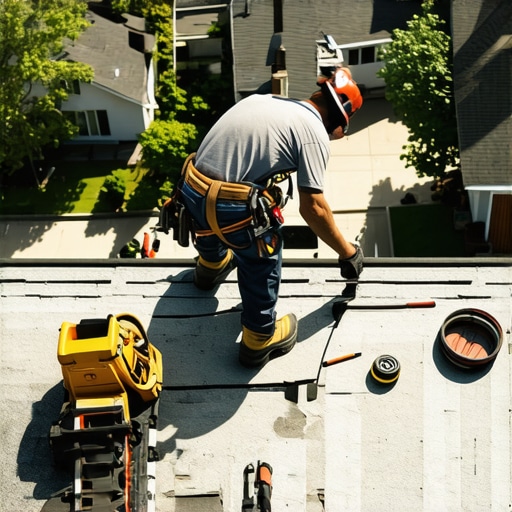
Walking onto a rooftop and feeling the deck give way beneath your boots is a sensation that stays with you. It is not just about the soft spot; it is about the physical reality that the structural backbone of the home is literally dissolving. I remember a job last November where the homeowner thought they just needed a few shingles replaced near the chimney. As soon as I stepped off the ladder, my heel sank three inches. That feeling of walking on a wet sponge told me everything I needed to know before I even pulled a pry bar. Beneath those shingles, the 1/2-inch CDX plywood had turned into something resembling wet cardboard. This is what happens when local roofers ignore the substrate to save a buck. They slap a new layer of asphalt over a rotting deck, and within two seasons, the nails lose their ‘bite,’ and the whole system starts to migrate. If you are looking at roofing companies for a 2026 project, you need to understand that the deck is the foundation. Without a solid deck, those expensive shingles are just a expensive blanket over a corpse.
Tip 1: Identify Delamination via Capillary Action Awareness
Water does not just fall; it travels. Through a process called capillary action, moisture can actually move uphill or sideways under your shingles if the pitch is shallow or the starter strip was installed by a ‘trunk slammer’ who did not know his business. When water sits against the edge of the plywood or OSB (Oriented Strand Board), the resins that hold the wood fibers together begin to hydrolyze. In 2026, we are seeing more failure in 15-year-old decks because of increased humidity levels in poorly ventilated attics. If your local roofers are not checking for delamination—where the layers of wood literally peel apart—they are failing you. You can spot this from the attic: look for ‘white’ or ‘black’ staining along the rafters. That is the ghost of water past, and it means the structural integrity of your roof is compromised.
“The roof covering shall be applied to a solid or closely fitted deck, except where the roof covering is specifically designed to be applied over spaced sheathing.” – International Residential Code (IRC) R905.1
Tip 2: The Fastener Withdrawal Reality
A shingle is only as secure as the nail holding it. In the trade, we talk about ‘fastener withdrawal resistance.’ When a deck gets damp, the wood fibers swell and then shrink as they dry. This cycles over and over, effectively ‘spitting’ the nails out. We call these ‘shiners’ when they miss the rafter, but even when they hit the wood, a compromised deck will not hold them. If you see shingles sliding down into the valley, it is rarely a shingle defect; it is a deck failure. High-quality roofing companies will insist on a full deck inspection, looking for wood that has lost its density. If I can push a screwdriver through your decking with one hand, those roofing nails will never hold during a 60-mph wind event. You are essentially building a sail that is ready to take flight.
Tip 3: Demand H-Clips and Proper Expansion Gaps
One of the biggest mistakes made in roofing is tight-butting the sheets of plywood. Wood is a living material; it breathes and expands. In 2026, the standard for a professional install must include H-clips. These small metal pieces fit between the long edges of the plywood sheets. They do two things: they provide a mandatory 1/8-inch expansion gap and they provide structural support between rafters so the edges do not sag. Without these, you get ‘telegraphing’—where you can see the horizontal lines of the plywood through your beautiful new shingles. Worse, when the wood expands with nowhere to go, it ‘buckles,’ creating ridges that allow wind-driven rain to get under the laps. Always ask your roofing contractor if they use H-clips on every seam.
Tip 4: The Physics of the Drip Edge and Fascia Interface
The most common point of decking failure is the first six inches of the eave. This is where the ‘ice and water shield’ must be installed perfectly. If the drip edge is installed over the underlayment at the eaves, water can wick back onto the plywood deck instead of falling into the gutter. This leads to rotten fascia boards and ‘sheathing rot’ that requires expensive surgery. A forensic look at a failed roof often reveals that the previous crew skipped the starter course or used the wrong gauge of drip edge. You want a heavy-gauge metal that directs water away from the wood. If your local roofers are not talking about ‘secondary water resistance’ at the eaves, they are setting you up for a deck replacement in ten years instead of thirty.
“A roof is only as good as its flashing and the substrate it rests upon.” – Old Roofer’s Adage
Tip 5: Balancing the Attic Ecosystem
The heat in an attic can reach 140°F or higher in the summer. This heat ‘cooks’ the roof decking from the inside out, making it brittle and prone to cracking. Proper roofing is not just about the outside; it is about ventilation. You need a balanced system of intake (soffit vents) and exhaust (ridge vents). If your roofing companies do not perform a ‘ventilation audit’ before giving you a quote, walk away. They are just selling you shingles, not a roof system. In 2026, with higher energy costs and more extreme weather, a deck that cannot breathe will fail prematurely. Look for a contractor who understands ‘Net Free Venting Area’ (NFVA) and ensures that your insulation is not blocking the airflow at the ‘cricket’ or the eaves. Protecting the deck means controlling the climate beneath it.