
The Anatomy of a Failing Roof: Beyond the Shingles
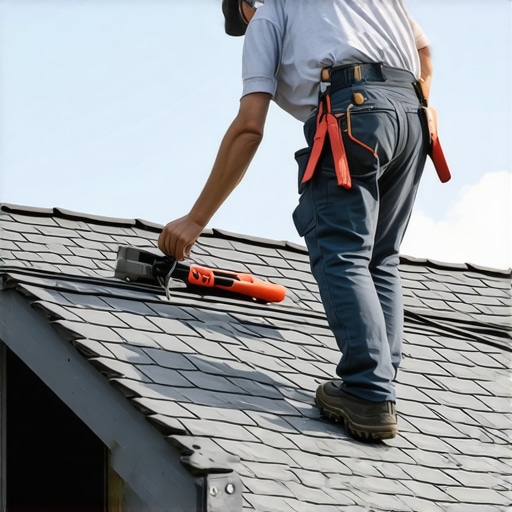
Walking onto a roof in the late summer heat, you can feel it before you see it. On a recent inspection for a homeowner who thought they just had a minor leak in their guest bedroom, the surface felt like walking on a wet sponge. That distinctive, sickening give under your boots tells a story that no shiny sales brochure from local roofers will ever mention. I knew exactly what I would find the moment we pried up the first course of asphalt. The decking underneath wasn’t just damp; it had the consistency of wet cardboard, a direct result of three years of slow-drip capillary action that the previous contractor ignored because they didn’t want to ‘complicate’ the estimate. Most roofing companies are looking for a quick hit, but if you don’t understand the physics of water migration, you’re just throwing money into a gutter.
Tip 1: Demand a Forensic Analysis of the Flashing, Not Just a Visual Pass
By 2026, the cost of raw materials has climbed to the point where a single mistake in an estimate can cost a homeowner thousands in ‘unforeseen’ change orders. When you call roofing companies for an estimate, watch how they inspect your flashing. Flashing is the thin metal designed to direct water away from critical areas like chimneys, dormers, and valleys. A standard estimator walks the perimeter, looks at the shingles, and calls it a day. A forensic inspector looks for ‘shiners’—those missed nails that missed the rafter and are now acting as cold-conductors, dripping condensation directly onto your insulation. Water is patient. It doesn’t just fall; it climbs. Through capillary action, water can be pulled upward between two flat surfaces, such as a shingle and a poorly integrated piece of step-flashing. If your estimate doesn’t specifically mention ‘removing and replacing’ flashing rather than ‘sealing’ it with a tube of cheap caulk, walk away. Caulk is a temporary fix that dries, cracks, and fails within two seasons under UV radiation.
“A roof is only as good as its flashing. Without proper mechanical integration, even the most expensive shingle is merely a decoration.” – Old Roofer’s Adage
Tip 2: The ‘Cricket’ and the Chimney: A Geometry Lesson
One of the most common failures I see involves the chimney. Any chimney wider than 30 inches requires a ‘cricket’—a small peaked structure built behind the chimney to divert water to the sides. Without it, the back of your chimney becomes a dam. Debris builds up, traps moisture, and eventually, the hydrostatic pressure pushes water under the shingles. When interviewing local roofers, ask them how they plan to handle the dead-load of water behind any vertical obstructions. If they don’t use the word ‘cricket’ or ‘saddle,’ they are planning to fail your roof. In the 2026 market, with more frequent heavy-rain events, these geometry-based defenses are more vital than ever. You aren’t just paying for the ‘square’ (a 100-square-foot area of roofing); you are paying for the technical skill to manage water flow. If the estimate only lists shingles and labor, it’s a trap.
Tip 3: Ventilation Physics and the Attic Heat Sink
Most roofing problems aren’t actually roofing problems; they are ventilation problems. In an unventilated or poorly vented attic, temperatures can soar to 150°F. This heat bakes the shingles from the inside out, causing the volatile oils in the asphalt to evaporate. This leads to ‘blistering’ and ‘granule loss.’ When a roofer stands in your driveway and gives you a price without sticking his head into your attic, he is guessing. An honest estimate for roofing must include a calculation of Net Free Venting Area (NFVA). You need a balanced system: intake at the soffits and exhaust at the ridge. If you have too much exhaust and not enough intake, the ridge vent will actually start sucking air (and rain) back into the attic during a storm. This is called a pressure imbalance, and it ruins more homes than actual storm damage ever will.
“To ensure the longevity of the roof assembly, ventilation must be provided to dissipate heat and moisture from the attic space.” – International Residential Code (IRC)
Tip 4: The 2026 Material Reality—Beware the ‘Lifetime’ Hook
The term ‘Lifetime Warranty’ has been stretched so thin it’s practically transparent. In 2026, you need to look at the fine print of your roofing estimate regarding labor warranties versus material warranties. Most manufacturers’ warranties are prorated and don’t cover the cost of tearing off the old roof or the disposal fees. When comparing roofing companies, ask about their ‘workmanship warranty.’ A local roofer who offers a 25-year workmanship warranty is standing behind their ‘shingle-monkeys’ (the crew) and their ability to hit the nail line every single time. A ‘shiner’ or a high-nail can void your manufacturer warranty on day one. If the estimate doesn’t specify the use of stainless steel or high-quality galvanized nails, you’re looking at potential corrosion issues within a decade, especially if you live near the coast where salt air turns standard fasteners into rust-dust.
The Final Verdict: Surgery vs. Band-Aids
You have to decide if you want a surgical fix or a cosmetic cover-up. A cheap estimate usually involves a ‘nail-over’ (installing new shingles over old ones), which is the cardinal sin of roofing. It traps heat, doubles the weight on your rafters, and hides the rotting deck I mentioned earlier. A forensic-level estimate will always include a full tear-off down to the wood. It’s the only way to inspect the ‘bones’ of the house. Don’t be seduced by a low number. In the world of roofing, the most expensive roof you will ever buy is a cheap one that you have to replace twice. Look for the technical details: the ice and water shield in the valleys, the Drip Edge gauge, and the specific brand of synthetic underlayment. These are the components that actually keep your living room dry when the sky opens up.