
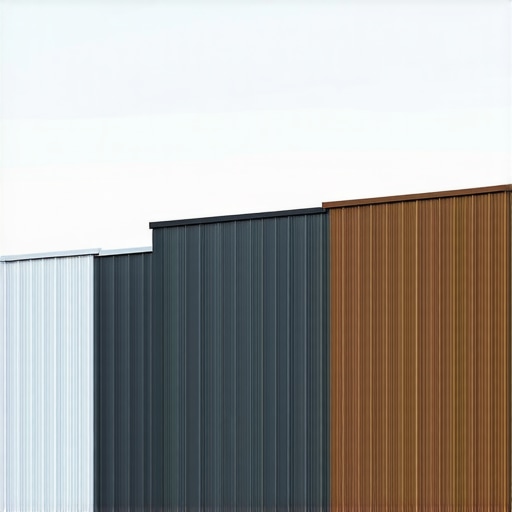
The Sun Never Quits: A Forensic Look at Metal Color Selection
In my quarter-century of crawling over roof decks from sun-bleached Texas suburbs to humid coastal strips, I have seen it all. I have peeled back layers of roofing that smelled like charred pine because someone installed a dark material without a lick of ventilation. My old foreman used to say, “The sun is the only contractor that works 365 days a year to tear your house down; don’t give it a head start.” When you talk to local roofers about the 2026 trends, they might try to sell you on ‘curb appeal.’ But as a forensic investigator, I am here to tell you that the color of your metal roof is the first line of defense in a thermal war.
We are seeing a massive shift in what roofing companies are ordering for the 2026 season. It is no longer just about matching the shutters. It is about the Solar Reflectance Index (SRI) and how those panels handle the brutal thermal shock of a 100-degree day followed by a 60-degree night. If you pick the wrong shade, you aren’t just looking at a high AC bill; you are looking at ‘oil canning’—that hideous buckling that happens when metal expands faster than its fasteners can hold it. You hear that sound? That popping and creaking like an old wooden ship? That is the sound of a bad color choice fighting against your house.
“A roof system must be designed to accommodate the thermal expansion and contraction of its components without damage to the components or the fasteners.” – NRCA (National Roofing Contractors Association) Manual
1. The Rise of ‘Ghost Ash’: The High-Performance Gray
The first color dominating the 2026 forecast is Ghost Ash. This isn’t your grandfather’s galvanized steel look. It is a sophisticated, matte-finish light gray that addresses the number one enemy of longevity: UV radiation. In the Southwest and across the sunbelt, roofing companies are pushing this because it masks the inevitable dust and salt spray while maintaining a high SRI. From a forensic standpoint, light grays are king. They don’t ‘cook’ the underlayment. I have seen synthetic underlayments under dark bronze panels literally melt and fuse to the plywood. Ghost Ash keeps the attic temperature significantly lower, reducing the thermal load on your R-38 insulation and preventing your attic from becoming a 140-degree oven.
2. ‘Ironwood Green’: The Biophilic Shield
Next up is Ironwood Green. This deep, forest-inspired hue is trending because of the ‘biophilic design’ movement, but I like it for a different reason: Emissivity. New PVDF coatings (polyvinylidene fluoride) allow these darker, earth-toned colors to shed heat much faster than the old polyester paints of the 90s. When I investigate a roof failure, I look for shiners—nails that missed the rafter—which often act as thermal bridges. A high-emissivity color like Ironwood Green, when paired with a proper cricket behind the chimney to divert water, ensures that the system stays dry and relatively cool despite the darker pigment. It gives you the look of a heavy architectural shingle but with the 50-year lifespan of standing-seam steel.
3. ‘Midnight Matte’: The Paradox of the Dark Roof
You might think a forensic guy would hate a black roof. Usually, I do. But the 2026 Midnight Matte is a game-changer because of cool-roof pigment technology. These pigments reflect infrared light even though they look black to the human eye. When you hire local roofers to install this, you have to be meticulous about the mechanism of ventilation. Because this color will still absorb more heat than a lighter shade, you need a continuous ridge vent and a soffit intake that actually breathes. I once tore off a dark metal roof where the contractor had blocked the soffits with insulation. The heat build-up was so intense it had literally baked the butyl tape seals at the transitions, making them as brittle as a potato chip. If you go dark, your ventilation must be flawless.
“Proper attic ventilation is required by the International Residential Code (IRC) to prevent moisture accumulation and temperature extremes.” – IRC Section R806.1
The Physics of the ‘Trunk Slammer’ Trap
The biggest mistake I see when roofing companies install these high-tech 2026 colors is the ‘exposed fastener’ shortcut. If you are buying a square (100 square feet) of metal for your home, do not let them use screws with rubber washers that sit on top of the metal. In the desert heat, those rubber washers dry out in five years. You want standing seam. The fasteners are hidden, tucked under the lap of the metal, allowing the panels to slide back and forth as they heat up. If you pin a 20-foot panel down with exposed screws, the metal will eventually tear itself open at the screw holes. It’s not a matter of ‘if,’ but ‘when.’ Always ask your local roofers if they use a ‘floating’ clip system. If they don’t know what that is, show them the door.
The Warranty Illusion
Don’t get blinded by the ‘Lifetime Warranty’ stickers. Those warranties usually only cover ‘film integrity’ (the paint not peeling off) and ‘fading’ (within a certain number of Hunter Delta-E units). They do not cover the labor to fix a leak caused by poor flashing. As the trade saying goes, “A roof is only as good as its flashing.” When you are picking your 2026 color, demand a workmanship warranty from the installer that is separate from the material warranty. You want a contractor who will be there when the valley starts to leak because they didn’t hem the edges properly. A forensic investigation of a failed metal roof almost always points back to a human error at a transition point—where the roof meets a wall or a chimney—not a failure of the metal itself.