
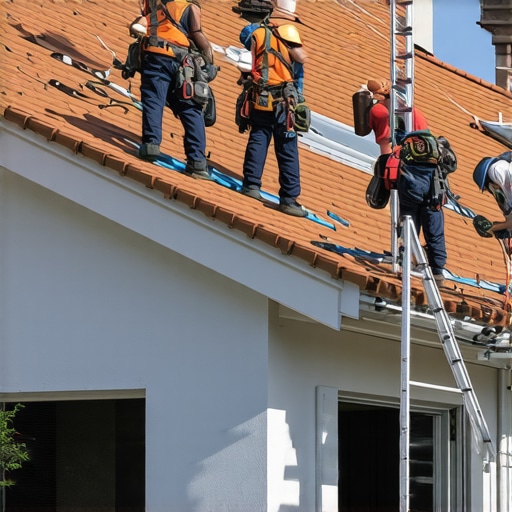
The Forensic Scene: A Roof That Felt Like a Marshmallow
I was standing on a steep-slope asphalt roof in a northern suburb last November, right after the first frost. The homeowner was complaining about a mystery leak that only appeared during heavy wind-driven rain. As I stepped toward the eave, my boot didn’t hit the solid thud of 5/8-inch CDX plywood. Instead, it sank. Walking on that roof felt like walking on a sponge. I knew exactly what I would find underneath before I even pulled my pry bar out of my belt. When I finally peeled back the starter course, the plywood wasn’t just wet; it was delaminated, black with mold, and had the consistency of wet oatmeal. This wasn’t a product failure. This was a systematic failure of the perimeter defense. Most roofing companies treat the edges like the frame of a picture—something decorative. In reality, the edge is the most violent part of your house. It’s where wind-driven rain, ice dams, and thermal bridging converge to destroy your investment.
The Physics of the Failure: Why the ‘Standard’ Isn’t Enough
To understand why your roof edge is likely failing right now, you have to understand capillary action. Water isn’t just a liquid that falls down; it’s a hitchhiker that travels sideways and upwards. When rain hits your roof, it doesn’t just roll off into the gutter. Due to surface tension, it wants to curl around the edge of the shingle and crawl back underneath. If your local roofers didn’t install a heavy-gauge drip edge with a proper kick-out, that water is being sucked directly into the gap between your fascia board and the roof deck. Once it hits that raw wood, the clock starts ticking. In cold climates, this is exacerbated by the ‘Attic Bypass’—warm air leaking from your house, hitting the underside of the cold roof deck, and condensing. This moisture has nowhere to go but down to the eave, where it freezes, creates a dam, and pushes water inches back up the roof, bypassing the shingles entirely.
“The roof edge is the primary line of defense against wind-uplift and water infiltration; failures here often lead to catastrophic deck rot long before the shingles themselves reach the end of their service life.” – National Roofing Contractors Association (NRCA) Guidelines
1. The Heavy-Gauge Drip Edge: Beyond the ‘Big Box’ Scraps
Most roofing companies use the cheapest, thinnest aluminum drip edge they can find at the local supply house. It’s so flimsy you could fold it like a piece of tin foil. By 2026, the standard needs to be 24 or 26-gauge steel. Why? Because of thermal expansion. In the dead of winter, a thin aluminum edge will contract and expand at a different rate than the wood and shingles. This movement creates a micro-gap. A heavy-gauge hemmed drip edge provides a rigid ‘drip’ point that forces water to break its surface tension and fall into the gutter, rather than following the metal back to your fascia. I’ve seen countless ‘shiners’—nails that missed the rafter—rust out in two years because the drip edge was too short to cover the transition, allowing wind to blow mist directly onto the nail shank.
2. High-Adhesion Starter Strips: The ‘Zipper’ Effect
If you watch a roof fail during a storm, it doesn’t start in the middle. It starts at the eave. The wind gets under the first course of shingles and peels them back like a banana. A ‘trunk slammer’ contractor will just cut a three-tab shingle upside down and call it a starter course. That’s a recipe for disaster. Professional local roofers should use dedicated starter strips with a factory-applied sealant strip located at the very bottom edge. This creates a mechanical lock—a ‘zipper’ that prevents the wind from getting a fingernail under the shingles. We measure these in Squares (100 square feet), but at the edge, we measure in survival. If that sealant isn’t activated by the sun or high-quality enough to bond to the drip edge, your ‘lifetime warranty’ is worthless the moment the wind hits 60 mph.
3. The ‘L-Bracket’ Ice & Water Shield Wrap
In our climate, a simple layer of felt paper is a joke. I tell my crews we are building a submarine, not a tent. The IRC Building Code requires ice and water shield to extend 24 inches inside the interior wall line, but that’s the bare minimum. To truly secure a 2026 roof edge, that membrane needs to wrap over the top of the fascia and down the face of the wood. This creates a gasket. When the gutter spikes or brackets are driven through, the self-healing bitumen in the membrane seals around the fastener. This prevents the ‘Gutter Pull’—where the weight of ice in the gutter pulls the fascia away, opening a 1/2-inch gap that welcomes squirrels and rot into your attic.
“Fasteners shall be driven flush with the shingle surface and shall not be over-driven, as the perimeter zones are subject to the highest negative pressure coefficients during wind events.” – International Residential Code (IRC) R905
4. Reinforced Fascia and the ‘Cricket’ Logic
The final piece of the forensic puzzle is the structural integrity of the fascia itself. I’ve seen local roofers nail new drip edges to rotted wood, thinking the metal will hide the sin. It won’t. If the fascia is soft, the gutters will sag, the water will pool, and the edge of your roof will spend six months of the year submerged in a micro-pond. We need to treat every eave like a Valley. Where the roof meets a vertical wall, a Cricket or a diverter must be used to kick water away from the edge. Without this, you get concentrated ‘waterfall’ points that erode the granules off your shingles and blow past any amount of caulk or sealant a ‘repair guy’ tries to smear on it. The cold, hard truth is that a roof is a system of physics, not just a pile of materials.
The Final Inspection: Why Waiting Costs Double
You can ignore your roof edge today, but you won’t be able to ignore the smell of mold in your bedroom ceiling next spring. By the time you see a brown spot on the drywall, the structural damage to your eaves is already done. When you’re vetting roofing companies, don’t ask about the shingles—everyone uses the same three brands. Ask them about their drip edge gauge. Ask them if they wrap the fascia. Ask them how they handle the ‘shiner’ problem. If they look at you like you have three heads, move on. You need a forensic-minded pro who knows that water is patient and will wait for the smallest mistake to ruin your home. Protecting your edge isn’t a game-changer; it’s the fundamental requirement for a house that survives 2026 and beyond.