
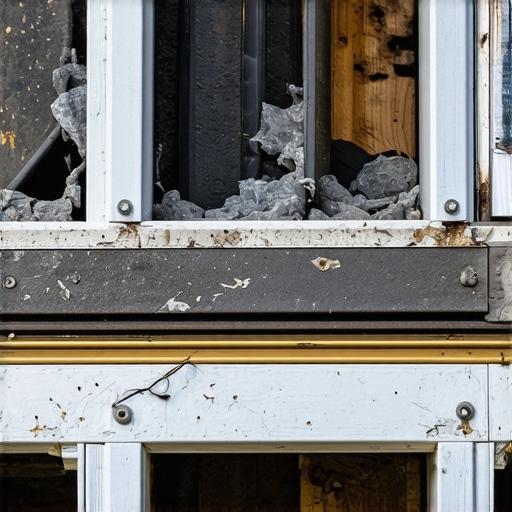
The Forensic Scene: Walking on a Sponge
Walking on that roof felt like walking on a wet sponge. I knew exactly what I’d find underneath before I even pulled my first pry bar. It was a crisp October morning, the kind where the dew stays on the shingles until noon. From the curb, the house looked fine—a standard three-bedroom ranch with a roof replaced only four years ago by one of the high-volume local roofers in town. But as my boots sank into the soft spots between the rafters, the smell hit me: the unmistakable, cloying scent of wet, decaying OSB and fermented attic insulation. When we finally peeled back a square, the underside of the plywood wasn’t just damp; it was black. It looked like a burnt marshmallow. This wasn’t a leak from the outside. This was a slow-motion suicide from the inside. The attic was suffocating, and the roof was the victim.
The Physics of the 2026 Attic Autopsy
Most roofing companies treat a roof like a hat. You put it on, you fasten it down, and you walk away. But a roof is actually part of a complex respiratory system. In our cold northern climate, where the thermometer swings from a humid 90°F in August to a bone-chilling -10°F in January, your attic is a battlefield of vapor drive and thermal pressure. When local roofers fail to understand the Stack Effect, they aren’t just installing shingles; they are installing a countdown clock on your home’s structural integrity. The Stack Effect is simple physics: warm air rises. In the winter, your heated living space leaks air—no matter how much insulation you have—into the attic. If that warm, moist air can’t escape through a ridge vent, and if cool air can’t enter through the intake, that moisture stays trapped. It reaches the ‘dew point’ on the cold underside of your roof deck, turns into liquid water, and begins the process of delamination.
“A roof is only as good as its flashing, but its lifespan is determined by the air beneath it.” – Old Roofer’s Adage
Sign #1: The ‘Shiner’ Rust Pattern and Capillary Action
The first sign of a looming 2026 airflow disaster is something I call the ‘Shiner’ indicator. A ‘shiner’ is a trade term for a nail that missed the rafter. It’s sitting there, exposed in the attic space, poking through the plywood. In a properly ventilated attic, a shiner is a minor mistake. In a suffocating attic, it’s a forensic smoking gun. During the winter, warm moisture-laden air hits that cold steel nail. Because steel conducts cold better than wood, the nail becomes a condenser. It draws moisture out of the air through capillary action, forming a bead of water that eventually drips. When you see rust rings around every nail head in your attic, your local roofers have failed you. They didn’t calculate the Net Free Venting Area (NFVA) required for your square footage. This moisture doesn’t just rust the nail; it travels back up the shank, saturating the wood fibers around the hole. Over time, the wood loses its ‘pull-out’ strength. The next high wind event doesn’t just blow off shingles; it pulls the nails right out of the rotted wood because the roof deck has the consistency of cork.
Sign #2: Thermal Bridging and the ‘Ghosting’ Effect
The second sign is more subtle, often dismissed by homeowners as ‘just some dust.’ It’s called ghosting or thermal bridging. When your attic lacks sufficient airflow, the temperature of the rafters stays significantly different from the temperature of the bays between them. This temperature differential creates static electricity that pulls household dust and soot out of the air, depositing it in dark lines along your rafters or ceiling joists. This is a red alert that your attic is stagnant. There is no cross-ventilation. When we talk to roofing companies about this, the ‘trunk slammers’ usually suggest adding a power fan. That’s a mistake. A power fan in a poorly vented attic often creates a vacuum, pulling conditioned air from your living room through light fixtures and top plates, increasing your energy bills and actually making the moisture problem worse. You don’t need a fan; you need a balanced system of intake and exhaust.
“The total net free ventilating area shall be not less than 1/150 of the area of the space ventilated.” – International Residential Code (IRC) R806.1
Sign #3: The Ice Dam Foundation and Soffit Clogging
The most violent sign of poor airflow is the ice dam. In cold climates, local roofers often try to ‘fix’ ice dams by adding more Ice & Water Shield. While that prevents the leak from entering the house, it doesn’t solve the problem. The ice dam is a symptom of a hot roof. If your attic isn’t venting, the heat from your house stays trapped at the peak. It melts the snow on the upper part of the roof. That water runs down to the eaves, which are cold because they overhang the house. The water refreezes, forming a dam. The cycle repeats until you have a hundred-pound block of ice backing up under your shingles. The root cause is almost always clogged intake. I’ve lost count of how many times I’ve crawled into an eave to find that the ‘insulation guys’ blew R-60 cellulose right over the soffit vents, effectively gagging the house. Without intake air at the bottom, your ridge vent at the top is useless. It’s like trying to breathe through a straw with your finger over the end.
The Anatomy of the Fix: Surgery, Not a Band-Aid
Fixing these 2026 airflow issues isn’t about buying a fancy vent. It’s about forensic correction. First, we have to clear the intake. This means installing baffles—rigid channels that hold the insulation back from the roof deck, ensuring a clear path for air to travel from the soffit to the ridge. Second, we have to look at the ‘Bypass.’ An attic bypass is any hole—a wire penetration, a plumbing stack, a chimney chase—where air escapes the house. You can have the best vents in the world, but if you’re pumping gallons of moist air into the attic from a leaky bathroom fan or a poorly sealed light fixture, the physics will eventually win. You’ll find yourself looking at warped shingles and a roof that looks twenty years older than it is. When you’re interviewing local roofers, don’t ask about shingles. Ask them about their NFVA calculations. Ask them how they plan to balance the intake and exhaust. If they start talking about ‘adding more vents’ without checking the soffits, show them the door. Water is patient, and physics is unforgiving. Your roof depends on both.
Reading this post really opened my eyes to how complex attic ventilation actually is. I’ve noticed some of those signs like ghosting and ice dams in our old house, but I never knew the underlying cause was poor airflow. The explanation of the ‘Shiner’ rust pattern and capillary action was especially insightful—it’s fascinating how something as simple as a missed nail can indicate such a major issue. I totally agree that fixing these issues requires a forensic approach rather than quick fixes like more vents or shields. From my experience, ensuring proper intake with well-installed soffit baffles made a huge difference in preventing ice dams and reducing attic humidity. Has anyone tried sealing attic bypasses with foam or other methods? I’m curious if that’s enough or if baffles are always necessary for a real solution. It’s clear that understanding and balancing the ventilation system is key to preserving the roof’s lifespan. Would love to hear other homeowners’ experiences with diagnosing and correcting airflow problems in cold climates.