
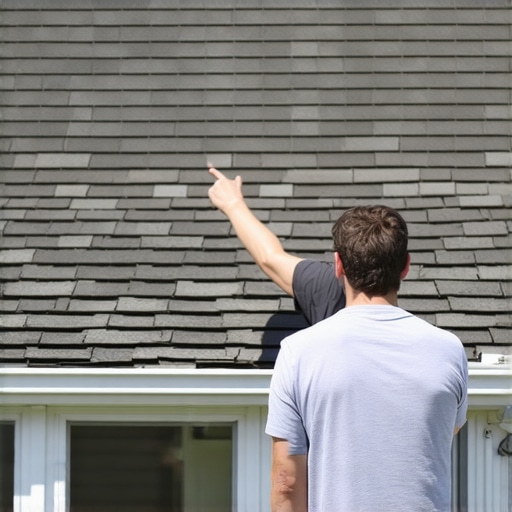
The Price of a Cheap Roof: Why ‘Water is Patient’
My old foreman used to say, ‘Water is patient. It will wait for you to make a mistake.’ After twenty-five years of pulling up rotted deck boards and tracing leaks through three layers of shingles, I’ve learned he was an optimist. Water isn’t just patient; it’s a forensic investigator. It finds the one nail that hit a gap in the plywood—a ‘shiner’—and uses it as a highway into your insulation. As we head into 2026, the roofing industry is a mess of rising material costs and a desperate shortage of real craftspeople. When you look at an estimate from local roofers today, you aren’t just looking at a price; you’re looking at a map of where they intend to cut corners.
I’ve walked thousands of squares. I’ve smelled the stagnant, mushroomy stench of an attic where the ventilation was choked off by someone who didn’t understand physics. When a contractor hands you a two-page estimate that basically says ‘We replace the roof,’ you aren’t getting a deal. You’re getting a countdown to failure. A real estimate in this climate—especially if you’re dealing with the freeze-thaw cycles of the North—needs to be a surgical plan, not a grocery list.
The Physics of the ‘Cheap’ Estimate: Mechanism Zooming
Let’s talk about why those low-ball numbers are dangerous. Most local roofers will try to save money on the things you can’t see. Take capillary action, for instance. When a shingle is installed without enough offset, or if the starter course is hacked together, water doesn’t just run off. It gets sucked sideways and upward through surface tension. It crawls under the edge of the shingle, hits the nail line, and begins the slow process of dissolving your roof deck. If your estimate doesn’t specifically mention a dedicated starter strip and a minimum 4-inch offset pattern, they are inviting the weather into your home.
“The roof shall be covered with materials as set forth in Section R905. A roof system shall be installed in accordance with this code and the manufacturer’s installation instructions.” – International Residential Code (IRC), Section R903.1
Then there is the issue of thermal bridging. In a cold climate, your attic is a battleground. If the roofing companies you’re talking to aren’t looking at your intake vents at the eaves and your exhaust at the ridge, they aren’t roofing; they’re just slapping on a lid. A bad estimate ignores the ‘Attic Bypass’—those small holes where warm air from your kitchen or bathroom leaks into the attic space. This warm air hits the cold underside of the roof deck, condenses, and creates ‘attic rain.’ Within three years, that brand-new plywood is covered in black mold. A pro-level 2026 estimate includes an inspection of your R-value and your ventilation balance. If they don’t mention baffles, walk away.
The Red Flags: Components vs. Commodities
When you look at a proposal, look for the ‘System.’ Most manufacturers offer a warranty that is only valid if you use their specific components. A ‘trunk slammer’ will mix and match: GAF shingles with the cheapest felt paper they can find, and some off-brand ice & water shield they bought on clearance. They’ll use galvanized nails that will rust out in a decade instead of high-quality ring-shank fasteners. They avoid using a ‘cricket’—that small peaked structure behind a wide chimney that diverts water. Without a cricket, that chimney becomes a dam, collecting leaves, snow, and hydrostatic pressure until the flashing gives up.
Another massive red flag in a 2026 estimate is the lack of detail on ‘Ice & Water Shield’ placement. In any region that sees snow, the code requires this membrane to extend from the eave’s edge to a point at least 24 inches inside the exterior wall line. Cheap local roofers will give you a single 36-inch roll and call it a day. That doesn’t account for the overhang. On a house with a wide soffit, you might need two courses of membrane to meet the code. If the estimate just says ‘Ice & Water included,’ it’s a trap. They’ll stop short, and when the ice dams form in February, your drywall will pay the price.
The ‘Lifetime Warranty’ Illusion
Don’t fall for the ‘Lifetime’ marketing. In the roofing world, ‘Lifetime’ usually refers to the expected life of the product under perfect conditions, which your roof will never see. More importantly, those warranties almost never cover labor unless the contractor is ‘Certified’ or ‘Master Elite.’ If your roofer isn’t factory-certified, that warranty is just a piece of paper. The estimate should list their certification number. If it doesn’t, you’re on your own when the shingles start shedding granules like a dog in summer.
“A roof is only as good as its flashing.” – Old Roofer’s Adage
Flashing is where the art of roofing happens. Most bad estimates skip the details on flashing. They’ll say ‘re-use existing flashing where possible.’ That’s trade-speak for ‘I’m going to smear some cheap plastic cement on the old, rusted tin and hope I’m out of town before it leaks.’ You want to see ‘New 26-gauge step flashing’ and ‘Counter-flashing reglet-cut into masonry.’ If they aren’t talking about how they handle the valleys—whether it’s an open metal valley or a California cut—they aren’t planning for the long haul. A valley is a firehose of water during a downpour; it needs more than just an extra layer of shingle.
Vetting Local Roofers: The 2026 Checklist
To avoid the nightmare of a failed system, you have to look past the bottom line. Ask about the crew. Are they employees or sub-sub-contractors? A ‘square’ of roofing (100 square feet) takes a certain amount of man-hours to install correctly. If the price is too low, the only way the contractor makes money is by rushing. Rushing leads to ‘high-nailing’—where the nail is placed above the sealant strip. When the wind picks up, those shingles will flap and fly off because the nail wasn’t through both layers of the shingle. You’ll see them in your yard after the first big storm.
Look for a contractor who talks about the ‘decking.’ If they don’t include a per-sheet price for replacing rotted OSB or plywood, they’re going to hit you with a massive ‘change order’ once the roof is torn off. Or worse, they’ll just roof right over the soft spots. Walking on a roof with rotted decking feels like walking on a sponge; it’s a feeling no homeowner should ever have to experience under a new roof. Demand a transparency report on the substrate before the first shingle goes down.
This post hits the nail on the head when it talks about how dangerous those ‘low-ball’ estimates can be. I’ve seen firsthand how cutting corners on small details like proper flashing or ventilation actually costs homeowners a lot more in the end. One thing I’d add is the importance of inspecting the contractor’s crew—are they experienced employees or just subcontractors? Rushed jobs, especially when the price seems too good to be true, often lead to shortcuts like high-nailing or skipping proper flashing. From my experience, asking for a detailed breakdown of the materials, especially the Ice & Water Shield coverage and flashing specifications, can save you a lot of grief. Have others noticed that some local roofers seem more focused on quick turnover than quality? It makes me wonder how much the industry is changing with rising costs and shortages. What strategies have you all found effective for vetting reliability before signing any contracts?