
The Invisible Predator Eating Your Roof
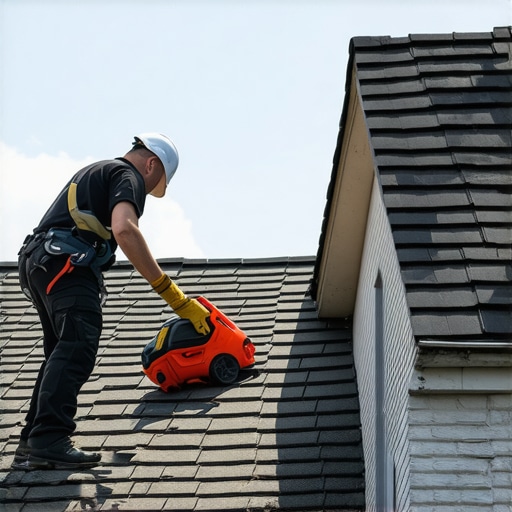
Walking on that roof felt like walking on a sponge. I knew exactly what I’d find underneath. It was a muggy Tuesday in Jacksonville, and from the curb, the house looked fine—if you ignored the black streaks running down the north-facing slope like mascara on a crying face. But as soon as my boots hit the deck, the shingles gave way with a sickening, muffled crunch. That wasn’t just dirt. That was Gloeocapsa magma, a hardy cyanobacteria that had turned a ten-year-old roof into a biological buffet. The homeowner thought they just needed a cosmetic touch-up; what they actually needed was a full tear-off because they waited too long to address what they thought was ‘just a bit of staining.’
As a forensic investigator in the roofing trade for over two decades, I’ve seen more roofs killed by ‘cleaning’ than by actual storms. In 2026, the stakes are even higher. Local roofers are pivoting to maintenance models, but if you don’t know the physics of your roof deck, you’re going to get fleeced by a ‘splash and dash’ crew. Here is the grit-level truth about keeping your lid clean without destroying its structural integrity.
1. Understand the Biology of the ‘Black Stain’
Those ugly black streaks aren’t soot, and they isn’t ash. It’s a living organism that feeds on the calcium carbonate—the limestone filler—used in modern asphalt shingles. When roofing companies talk about cleaning, they often fail to mention the mechanism of decay. As the algae eats the limestone, the granules (the colored rocks on top) lose their grip. These granules are your roof’s only defense against UV radiation. Once they’re gone, the asphalt mat underneath bakes in the 100-degree Florida sun, becomes brittle, and cracks. You aren’t just cleaning for curb appeal; you are stopping a slow-motion demolition of your home’s primary weather barrier.
“A roof is not a static object; it is a sacrificial assembly designed to shed water and resist UV degradation through the precise placement of mineral surfacing.” – Modern Roofing Axioms
2. Soft Washing vs. The Death of the Shingle
If you see a ‘pro’ pull up with a high-pressure power washer, tell them to get off your property before they do a thousand dollars of damage per minute. High pressure is the enemy of the asphalt square. It forces water up under the laps, soaking the underlayment and soaking your plywood. I’ve seen ‘shiners’—those missed nails that aren’t fully seated—become conduits for water to travel directly into the attic rafters during a high-pressure wash. The 2026 standard for any reputable roofing company is Low-Pressure Soft Washing. This involves a chemical cocktail—usually a sodium hypochlorite base mixed with a surfactant—that kills the algae at the root without mechanical force. We use a surfactant to keep the chemical on the roof longer, preventing it from just running off into your prized hibiscus bushes. If the tech can’t explain the ‘dwell time’ of their solution, they aren’t a pro; they’re a guy with a hose.
3. The ‘Zinc Strip’ Myth and the 2026 Reality
You’ll hear some old-timers tell you to just nail a zinc or copper strip at the ridge. The logic is that when it rains, metallic ions wash down and kill the algae. It works—for about three feet. By the time that water reaches the middle of the slope, the concentration of ions is too low to do anything. In 2026, we are seeing more roofing companies integrate antimicrobial granules directly into the shingle during manufacturing, but for existing roofs, the secret is preventative biocides. After a clean, a professional should apply a residual blocker that keeps the pH of the shingle surface too high for algae to colonize. This isn’t a ‘one and done’ deal; it’s a maintenance cycle every three to five years depending on your tree cover and humidity levels.
4. Forensic Inspection of the Valley and Flashing
Cleaning is the perfect time for a forensic check. Most leaks don’t happen in the field of the roof; they happen in the valleys and around the crickets. When a crew is up there cleaning, they need to be looking for ‘alligatoring’—that’s when the asphalt has dried out and looks like lizard skin.
“Water is patient. It will wait for you to make a mistake, find a capillary path through a failed sealant, and rot your structure from the inside out.” – The Forensic Roofer’s Handbook
If your cleaning company doesn’t offer a 21-point inspection of the flashing and the pipe boots while they are on the ladder, you’re missing the forest for the trees. A clean roof that leaks is still a failure. You want a crew that knows how to spot a backed-out nail or a cracked boot before the next tropical depression turns your living room into a swimming pool.
Why Local Roofers are Moving to ‘Roof Care’ Subscriptions
By 2026, the ‘burn and turn’ model of roof replacement is dying. The cost of materials is too high. Smart homeowners are hiring roofing companies for annual maintenance. This includes gutter clearing, debris removal from behind chimneys (where rot starts), and biological control. It’s the difference between changing your oil and waiting for the engine to blow up. If you ignore the organic growth on your shingles, you are essentially allowing a slow-burning fire to consume your roof’s lifespan. Don’t be the homeowner whose plywood turns to oatmeal because they thought a little bit of green moss looked ‘charming.’ It’s not charm; it’s a bill you don’t want to pay.