
The Midnight Waterfall: A Forensic Look at Gutter Failure
It starts with a sound you only hear at 2:00 AM when the storm is at its peak. It isn’t the rhythmic pitter-patter of rain on a shingle square; it is the heavy, hollow thud of a waterfall hitting the mulch beds right outside your bedroom window. Most homeowners roll over and try to sleep, but as someone who has spent a quarter-century investigating why structures fail, that sound makes my skin crawl. It’s the sound of hydrostatic pressure preparing to compromise your foundation. By the time we hit 2026, many of the ‘contractor grade’ systems installed during the housing booms of the last decade will reach a terminal state of fatigue. If you aren’t looking at your drainage system now, you’re essentially inviting roofing companies to charge you double for structural repairs later.
The Forensic Scene: When the Wood Screams
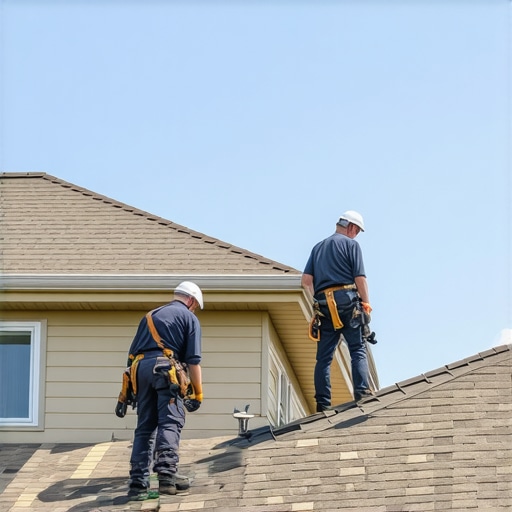
Walking on that roof felt like walking on a sponge. I knew exactly what I’d find underneath before I even pulled my pry bar. The homeowner thought they just needed a few new shingles, but as I stood on the edge of the eave, the valley felt soft—dangerously soft. When we finally peeled back the first course, the fascia board didn’t just have rot; it had transformed into a biological experiment. The water hadn’t just ‘leaked’—it had been pulled behind the gutter through capillary action, saturating the sub-fascia and the tails of the rafters. This wasn’t a roofing failure; it was a gutter failure that committed a slow-motion murder of the roof deck. This is why local roofers are seeing an uptick in total system replacements that could have been avoided with a timely gutter upgrade.
“Gutter systems must be sized to handle the anticipated intensity of rainfall and should be sloped to ensure positive drainage to downspouts.” – National Roofing Contractors Association (NRCA) Manual
1. The Physics of Material Fatigue and Thermal Expansion
In our climate zone, we deal with the brutal reality of thermal shock. Aluminum gutters are popular because they don’t rust, but they have a high coefficient of linear expansion. In a single day, a fifty-foot run of gutter can expand and contract by nearly half an inch. Over fifteen to twenty years, this constant movement stresses the fasteners—the ‘spikes and ferrules’ or hidden hangers—until they start to back out. Once you see a shiner (a nail that missed the mark or backed out), the structural integrity is gone. By 2026, the metal fatigue in older systems will lead to sagging, which disrupts the 1/4-inch-per-10-feet pitch required for drainage. When water sits in a gutter because of a sag, it adds hundreds of pounds of dead weight, accelerating the pull away from the house.
2. The Capillary Action Trap
Water is patient, and it is chemically ‘sticky.’ It wants to follow a surface. If your roofing system lacks a proper drip edge or if the gutter is mounted too low, water will use surface tension to curl under the shingles and track back to the wooden fascia. In 2026, as we see more extreme weather patterns with wind-driven rain, the standard ‘overhang’ isn’t enough. We are now seeing forensic evidence that old gutters without a kick-out flashing at the wall-to-roof intersection are the primary cause of hidden mold in 80% of residential attic spaces. Replacing the system allows for the installation of modern, wide-flange drip edges that break that surface tension and force the water where it belongs: into the trough.
3. The ‘Oatmeal’ Foundation Risk
When you ignore gutter replacement, you aren’t just risking your roof; you’re risking the dirt your house sits on. A single inch of rain on a 2,000-square-foot roof produces about 1,250 gallons of water. If your gutters are overflowing because of internal clogs or poor sizing, that’s over a thousand gallons of water being dumped directly against your foundation. The soil becomes saturated, leading to a ‘hydrostatic surge’ that can crack basement walls or cause a crawlspace to smell like a swamp. Local roofers are increasingly finding that foundation settling is directly linked to the 15-year-old gutters that the homeowner thought ‘looked fine’ from the ground.
“Surface water shall be diverted to a storm sewer or to other points of disposal so as to not create a hazard.” – International Residential Code (IRC) R401.3
4. The Evolution of Fastener Technology
Back in the day, we used spikes. They were garbage. They’d pull out the moment the wood got a little damp. By 2026, the industry standard has shifted entirely to heavy-duty, threaded screw hangers. These don’t just sit in the wood; they bite into it. If your current system is held up by spikes, it is a ticking time bomb. A heavy snow load or a spring downpour will eventually rip those spikes out, likely taking a chunk of your fascia with it. Modern roofing companies now use internal hangers that are hidden from view, providing a cleaner look and ten times the holding power. This isn’t just about aesthetics; it’s about mechanical advantage.
5. Integrated Protection and the 2026 Resale Value
If you plan on selling your home in the next few years, an old, stained, or leaking gutter system is a massive red flag for home inspectors. It signals to a buyer that the maintenance has been deferred. Upgrading to a 6-inch K-style gutter—which carries 40% more water than the old 5-inch standard—shows that the home is prepared for the heavier rain cycles we are experiencing. Adding a cricket or a custom diverter during this process ensures that the valley of your roof doesn’t become a bottleneck. It’s the difference between a house that ‘leaks money’ and a house that is built to endure. Don’t wait until the fascia is ‘oatmeal’ and the repair bill has three extra zeros on the end. Get a forensic inspection and see what is actually happening behind the metal.