
The Forensic Reality of the American Roof Deck
You’ve seen them. Those roofing companies that pull up in a shiny truck, throw a ladder against your siding, and promise you a ‘lifetime’ roof for a price that seems too good to be true. As someone who has spent twenty-five years peeling back the layers of failed systems, I can tell you that a roof isn’t just a layer of shingles; it’s a high-stakes battle against physics. In the Northeast, where the wind bites and the snow piles up, your roof is fighting a war against ice dams and thermal bridging every single winter. My old foreman used to say, ‘Water is patient. It will wait for you to make a mistake. It doesn’t sleep, it doesn’t get tired, and it will find that one shiner you left in the valley.’ That stuck with me. A ‘shiner’—that missed nail that hits the gap between the plywood—is basically a direct pipeline for moisture to travel from the sky to your ceiling joists. When you’re looking at local roofers, you aren’t just buying labor; you’re buying their ability to avoid those small, catastrophic errors.
“A roof is only as good as its flashing.” – Old Roofer’s Adage
Mechanism Zooming: Why Shingles Actually Fail
To understand value in 2026, you have to understand the anatomy of a failure. Most people think shingles are waterproof. They aren’t. They are water-shedding. The real magic happens in the chemical bond of the bitumen and the integrity of the fiberglass mat. When UV radiation hits a cheap shingle, it triggers photo-oxidation. This dries out the oils in the asphalt, making the shingle brittle. Once it’s brittle, thermal expansion—the constant growing and shrinking as the sun hits the roof—creates micro-fissures. This is where capillary action takes over. Water doesn’t just fall off the roof; it gets sucked upward under the shingle tabs through surface tension. If your local roofers didn’t install a high-quality Ice & Water shield at the eaves, that water is going to find its way into your soffits, turning your plywood into something that looks and feels like wet oatmeal. You need a material that can handle the ‘freeze-thaw’ cycle without cracking like a dry cracker.
The 2026 Top 5 List: Brutal Value Comparisons
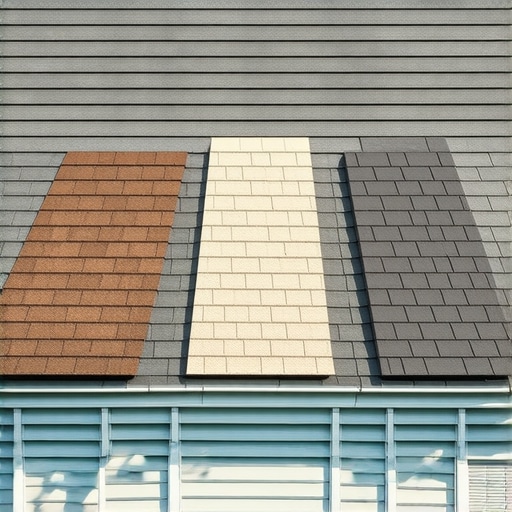
When I’m out on a forensic inspection, I look for how these materials age after five years in the trenches. Here are the five brands that are actually holding up their end of the bargain this year. 1. CertainTeed Landmark ClimateFlex: This is a polymer-modified shingle. Think of it as asphalt with a dose of rubber. It’s heavy—coming in at significantly more pounds per square than the entry-level stuff. This weight translates to ‘dampening’—it doesn’t flap in the wind, and it resists hail impact better than almost anything else on the market. 2. GAF Timberline UHDZ: The ‘Ultra High Definition’ isn’t just marketing fluff for your neighbors to look at. The thickness of the shingle creates a deeper shadow line, but more importantly, it provides a massive ‘strike zone’ for the installers. This reduces the chance of high-nailing, which is the number one cause of wind blow-offs. 3. Owens Corning Duration: Their patented SureNail Technology is a fabric strip embedded in the nailing area. In a storm, the nail head has to rip through a reinforced fabric layer rather than just the asphalt mat. For local roofers working in high-wind corridors, this is a massive insurance policy against call-backs. 4. Malarkey Legacy: These guys are the darlings of the forensic community right now. They use upcycled tires and plastic bags to modify their asphalt. It sounds like a gimmick, but the result is a shingle that stays flexible at -10°F. When other shingles are snapping under the weight of an ice dam, the Malarkey shingle just bends. 5. Atlas StormMaster Shake: This brand focuses heavily on the ‘Core3’ technology. They utilize a specialized poly-core that prevents the shingle from shrinking over time. Shrinkage is a silent killer; it pulls the shingles away from the valley flashing, exposing the raw wood underneath.
“The roof system shall be designed and installed in accordance with this code and the manufacturer’s installation instructions.” – International Residential Code (IRC) R903.1
The ‘Lifetime Warranty’ Trap
Don’t let a salesman distract you with a ‘Lifetime Warranty’ certificate. Read the fine print. Most of those warranties are prorated, meaning after ten years, they aren’t paying for much more than a box of nails. Furthermore, those warranties are often voided the moment a ‘trunk slammer’ ignores the attic ventilation. If your attic is 140°F because you don’t have enough intake at the soffits or a properly sized ridge vent, you are literally baking your shingles from the inside out. The asphalt will ‘cook,’ the granules will shed into the gutters like black sand, and the manufacturer will walk away from the claim because you didn’t meet the ventilation requirements. True value isn’t the cheapest price per square; it’s the lowest cost over twenty years. If you pay $10,000 for a roof that lasts twelve years, you’re paying $833 a year. If you pay $15,000 for a roof that lasts thirty years, you’re paying $500 a year. Do the math.
Choosing Local Roofers Who Don’t Cut Corners
When you interview roofing companies, don’t ask about the shingles first—ask about the flashing. Ask how they handle a chimney cricket. A cricket is a small peaked structure behind a chimney that diverts water away. Without it, the chimney becomes a dam, water pools, and eventually, the hydrostatic pressure forces moisture through the brick and into your living room. A quality contractor will talk about ‘drip edges,’ ‘starter strips,’ and ‘synthetic underlayment.’ If they just want to ‘nail over’ your old roof, run. Recovering an old roof traps heat, hides rot, and doubles the weight on your rafters. It’s the ultimate cheap fix that costs you triple in the long run. Look for someone who understands that the roof is a system—from the R-value of the insulation in the attic to the stainless steel nails used on the ridge cap. That is where the value truly lives.
Reading this detailed post really emphasizes the importance of understanding what goes beneath the shingles. It’s tempting to focus on the aesthetics or the initial price, but the real story is about durability and long-term performance. I’ve seen homeowners fall for ‘lifetime warranties’ that end up being worthless when the time comes to claim. I particularly like the point about attic ventilation; I’ve always found that poor ventilation tends to cause the most damage over time, despite the roofing material used. From my experience, it’s never just about the shingles but the entire system—flashing, underlayment, and proper installation techniques are just as crucial. Out here in Colorado, we’ve had recent issues with ice dams, and I wonder how these high-performance shingles handle those extreme freeze-thaw cycles. Has anyone here noticed a significant difference in longevity or damage resistance with brands like CertainTeed ClimateFlex or Malarkey Legacy in harsher climates? Would love to hear real world examples or tips on choosing the right shingles based on climate and roof design.