
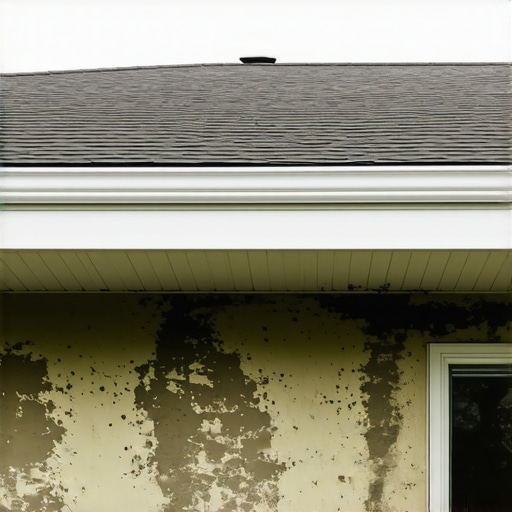
The Silent Rot: Why Your Roof’s Underside Is Dying
Poking a screwdriver into that soffit was like pushing through wet cardboard. I knew exactly what I would find underneath before I even pulled the first panel. It was a humid Tuesday in a neighborhood where every house looked the same, but this one smelled like a swamp. The homeowner thought they just needed a lick of paint. I had to break the news: their attic was suffocating, and the soffits were the first casualties of a war between internal heat and external cold. As we move into 2026, roofing companies are seeing a massive uptick in soffit failure, not because the materials are worse, but because our houses are getting ‘tighter.’ When you trap air, you trap moisture. If you don’t understand the physics of how a soffit breathes, you’re just waiting for the wood to turn into mulch.
“Ventilation shall be provided in accordance with Section R806.1. The minimum net free ventilating area shall be 1/150 of the area of the vented space.” – International Residential Code (IRC)
1. The Micro-Peeling Paint Mystery
Most folks see peeling paint on their soffits and call a painter. That’s a mistake. In the trade, we look at how it’s peeling. If the paint is flaking off in large, crisp chunks, it might just be age. But if it’s bubbling or looks ‘shriveled,’ that is moisture migration. In the 2026 climate landscape, we’re seeing more thermal shock. During the day, the sun beats down on the roof deck, heating the attic to 140°F. At night, the temperature drops. If your local roofers didn’t install enough intake vents, that hot, moist air gets trapped right against the soffit board. The moisture pushes through the wood from the unpainted backside, blowing the paint off the front. It’s not a paint problem; it’s a respiration problem.
2. The ‘Shiner’ and the Rust Streak
Ever look up and see a tiny orange streak on your white vinyl or wood soffit? That’s the ‘shiner’ telling on the contractor. A shiner is a nail that missed the rafter tail and is now hanging out in the cold attic air. In the winter, warm air from your house hits that cold nail, and it frosts over. When it melts, it drips. Over time, that drip rots the soffit from the inside out. By 2026 standards, roofing companies should be using stainless or high-grade galvanized fasteners to prevent this, but the ‘trunk slammers’ still use cheap steel. When that nail rusts, it expands, cracking the wood and inviting more water via capillary action—where water literally defies gravity to suck itself into tiny crevices.
3. The ‘Oatmeal’ Plywood Texture
If you take a ladder and look at the junction where the roof meets the wall, the wood should be crisp. If it looks soft, swollen, or reminds you of wet oatmeal, the structural integrity is gone. This often happens because of a failed ‘drip edge’ or a missing ‘cricket’ behind a chimney. Water runs down, hits the fascia, and instead of dropping into the gutter, it curls back under—a phenomenon known as surface tension—and soaks the soffit. This isn’t just a leak; it’s a slow-motion car crash for your home’s bones. Local roofers who don’t check the ‘kick-out flashing’ are basically signing your soffit’s death warrant.
“A roof is only as good as its flashing.” – Old Roofer’s Adage
4. The Rodent Superhighway
Soffits are the ‘soft underbelly’ of your home. If you see small gaps, or if the perforated metal is sagging, you’ve got an intake vent for pests. In 2026, we’re seeing more aggressive squirrel and raccoon behavior in suburban areas. They feel the heat escaping through a damaged soffit and they know it’s warm inside. Once they chew through a soft, water-damaged corner, they aren’t just in your soffit; they are in your insulation, destroying your R-value and leaving ‘gifts’ that smell worse than the rot. If you hear scratching, don’t call an exterminator first—call a roofing company to fix the entry point.
5. Dark Ghosting and Mold Blooms
Look for black spots that look like dirt. Many homeowners try to power-wash them off. Stop. That ‘dirt’ is often Aspergillus or other molds feeding on the glue in your plywood. This happens when the ‘baffles’ in your attic—those plastic trays that keep insulation from blocking the airflow—get crushed or were never installed. Without airflow, the soffit becomes a petri dish. The physics are simple: no air movement equals stagnant moisture. Stagnant moisture equals biological growth. If you ignore those black spots, you’ll eventually be replacing the entire ‘square’ of roofing above it because the rot will climb the rafters.
The Bottom Line: Don’t Just Patch It
Fixing a soffit isn’t about slapping a new piece of vinyl over the rot. That’s like putting a tuxedo on a goat; it still smells. You have to address the ‘why.’ Is it an ice dam caused by poor insulation? Is it a gutter that’s backed up and overflowing into the eaves? When you interview roofing companies, ask them about ‘net free vent area’ and ‘intake balance.’ If they look at you like you’re speaking Greek, find another roofer. You want a forensic approach, not a cosmetic one. The cost of a few soffit panels is pennies; the cost of a structural rafter replacement because you ignored the ‘oatmeal’ wood is what keeps me busy and keeps homeowners broke.