
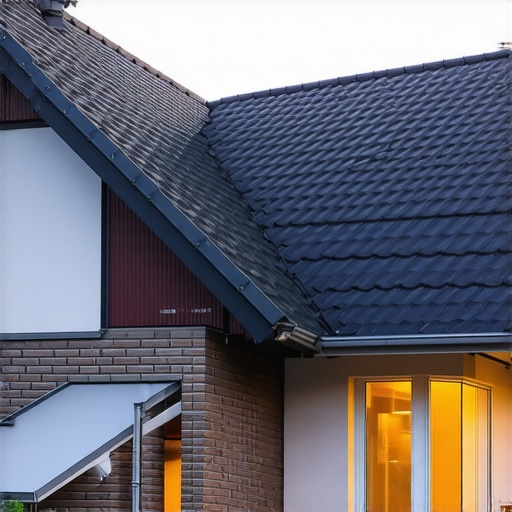
The Forensic Reality of the 160-Degree Attic
I stepped onto a roof in the high desert last August, and it felt like walking on a sponge. It wasn’t water damage; the asphalt was literally liquefying. When I crawled into the attic, the heat didn’t just hit me; it pushed me. My infrared thermometer pegged the underside of the decking at 168°F. That’s not just a comfort issue; that’s a slow-motion house fire for your shingles and your HVAC system. Most local roofers will tell you to just add another ‘whirlybird’ vent and call it a day. They’re wrong. As we look toward the 2026 building standards, the physics of attic mitigation is changing. To keep a structure alive in the Southwest, you have to move beyond basic ventilation and start talking about thermal management at the molecular level.
1. The Physics of Solar Reflectance Index (SRI)
When roofing companies talk about ‘Cool Roofs,’ they usually just mean ‘white shingles.’ But by 2026, the industry is moving toward high-emissivity coatings that don’t just reflect light—they shed heat. Asphalt is a massive thermal battery. It absorbs UV radiation all day and bleeds it into your attic long after the sun goes down. This is the Mechanism of Thermal Mass. By selecting materials with a high SRI, you’re preventing the ‘shingle-to-decking’ heat transfer. If you’re sticking with asphalt, you need granules engineered with infrared-reflective pigments. This isn’t marketing fluff; it’s the difference between your attic being a convection oven or a buffer zone. Square for square, a metal roof with a Kynar coating will outperform standard 3-tab shingles by 40 degrees in peak summer. The ‘Material Truth’ is that your choice of shingle is your first and most vital line of defense against attic heat gain.
“A roof is only as good as its flashing.” – Old Roofer’s Adage
2. Dynamic Ventilation and the Stack Effect
Standard ridge vents are passive. They rely on the ‘Stack Effect’—hot air rising and pulling cooler air from the soffits. But in 2026, with ambient temps rising, passive isn’t enough. You need Active Management. If your roofing professional isn’t calculating the Net Free Area (NFA) of your intake vs. exhaust, they’re guessing. A common mistake is having too much exhaust and not enough intake. This creates a negative pressure zone that actually pulls conditioned air out of your living space through recessed lights and attic hatches. We call these ‘attic bypasses.’ To fix this, we’re seeing a shift toward solar-powered smart fans that trigger not just on temperature, but on humidity levels. This prevents the ‘Thermal Shock’ that occurs when a sudden desert monsoon hits a baking-hot roof, causing the wood to contract so fast it pulls the nails—or shiners—right out of the rafters.
3. Radiant Barriers: The Foil Myth vs. Reality
I’ve seen ‘trunk slammers’ staple tinfoil to rafters and call it a radiant barrier. That’s a recipe for a moisture trap. A true radiant barrier must have an air gap to function. Without that gap, heat moves through conduction, not radiation, rendered the foil useless. For 2026, we’re looking at spray-applied radiant barriers or foil-faced OSB decking. This targets Radiant Heat Transfer, which is how the sun’s energy jumps from the hot roof deck to your insulation. If you can stop that jump, your insulation only has to deal with the ambient air temp, not the 160-degree radiant blast from the wood. This is where many local roofers fail; they ignore the physics of the air gap, essentially ‘short-circuiting’ the thermal break.
“Buildings should be climate-dependent, not climate-independent.” – Architectural Axiom
4. Thermal Bridging and the ‘Shiner’ Problem
Every nail that misses the rafter and hangs into the attic space is a ‘shiner.’ In the forensic world, we see these as tiny heat sinks. In the winter, they cause condensation; in the summer, they act like miniature soldering irons, conducting heat directly from the shingles into the attic air. By 2026, advanced roofing companies will be focusing on ‘Continuous Insulation’ (CI) above the deck. By placing a layer of rigid foam insulation between the rafters and the shingles, you break the thermal bridge. This keeps the rafters cool and prevents the wood from drying out and becoming brittle. I’ve torn off roofs where the plywood was so ‘toasted’ from years of thermal abuse that it snapped like a cracker under my boots. Preventing this requires a holistic approach to the roof assembly, ensuring that every valley, cricket, and penetration is sealed against both water and heat. Don’t let a contractor tell you that a ‘Lifetime Warranty’ covers thermal degradation—it doesn’t. It only covers the material, not the heat-taxed structure underneath.