
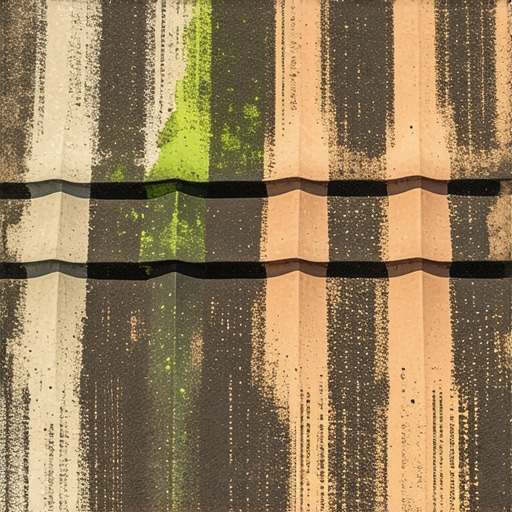
The Truth Behind the Streaks: Why 2026 is the Year of the Roof Stain
I’ve spent the last twenty-five years crawling over hot roof decks, poking at rotting fascia, and telling homeowners exactly why their ‘new’ roof is already failing. My old foreman used to say, ‘Water is patient. It will wait for you to make a mistake.’ He wasn’t just talking about leaks. He was talking about the slow, creeping degradation that starts with a simple discoloration. If you are looking at your roof in 2026 and seeing those ugly black or green streaks, you aren’t just looking at a cosmetic eyesore; you’re looking at a forensic record of environmental stress and installation shortcuts. Roofing companies often gloss over these details during the sales pitch, but local roofers who actually know the trade understand that a stain is a symptom of a deeper pathology.
“The roof shall be covered with materials that are compatible with each other and with the building’s environment.” – International Building Code (IBC) Section 1507.1
1. The Limestone Buffet: Why Algae is Winning the War
The primary culprit for those dark, vertical streaks is a cyanobacteria called Gloeocapsa magma. While roofing companies might call it ‘mildew,’ it’s actually an organism that thrives in our humid, tropical climate. But here is the mechanism zoom: why does it love your shingles? Modern asphalt shingles are not just asphalt; they are a composite of fiberglass, bitumen, and a massive amount of limestone filler used to add weight and density to the square. This limestone is literally food for the algae. The spores land on your roof, find a moisture trap in a valley or near a poorly flashed cricket, and begin to feast. As the bacteria consumes the limestone, it leaves behind a dark, protective outer coating to shield itself from UV rays—those are the streaks you see. By 2026, many of the homes built during the construction boom of the early 2020s are hitting their five-year mark, which is exactly when the initial copper-infused ‘algae resistance’ of cheaper shingles begins to leach out and fail. This isn’t just about looks; as the algae eats the filler, the granules lose their grip and start tumbling into your gutters, leaving the fiberglass mat exposed to the sun’s brutal heat.
2. Galvanic Corruption: The Price of Cheap Fasteners
In our salt-heavy air, the chemistry of your roof matters more than the color. I frequently see stains that aren’t black, but a deep, bleeding orange. This is rust, and it’s usually the result of a ‘trunk slammer’ using electro-galvanized nails instead of hot-dipped galvanized or stainless steel. When a roofer leaves a shiner—a nail that missed the rafter and is sticking through the deck—moisture from the attic condenses on that cold metal. Mechanism zooming into the chemistry: the salt in the atmosphere acts as an electrolyte, accelerating the oxidation of the iron. This rust then leaches through the shingle or drips down the fascia, creating permanent metallic stains. It’s a sign that the structural integrity of your fasteners is being compromised. If the nails are rusting, the uplift rating of your entire roof system is dropping, making it a liability when the next hurricane season rolls around.
“A roof is only as good as its flashing.” – Old Roofer’s Adage
3. Thermal Sweating and Attic Bypass Failures
The third reason for those 2026 stains comes from below. I’ve walked on roofs that felt like a wet sponge, even in the middle of a drought. When local roofers fail to calculate the proper intake-to-exhaust ratio for ventilation, the attic becomes a 150°F pressure cooker. This heat doesn’t just sit there; it carries moisture from your showers and cooking up against the underside of the roof deck. Through a process called thermal bridging, this moisture can migrate through the plywood and soak into the felt underlayment. This creates ‘extrinsic staining,’ where the oils in the asphalt are pushed to the surface, creating dark, blotchy patches that look like oil spills. It’s a sign that your roof is literally sweating to death because it can’t breathe. Choosing a contractor who understands the physics of airflow is the difference between a thirty-year roof and a ten-year failure. Don’t be fooled by ‘lifetime warranties’ that are voided the moment an inspector sees a blocked soffit vent.
How to Choose Local Roofers Who Actually Care
When you’re interviewing roofing companies, stop asking about the price per square and start asking about their fastener specifications and ventilation calculations. If they don’t mention the IRC codes or the specific grade of stainless nails they use near the coast, they aren’t forensic roofers; they’re just shingle-slappers. You want someone who looks at the stains and sees the physics, not someone who just wants to sell you a pressure wash that will further strip your granules. The stains of 2026 are avoidable, but only if you stop treating your roof like a decoration and start treating it like the complex weather-shield it is.
Reading this post really opened my eyes to how complex roof health actually is, especially with the various hidden factors that can cause staining. I live near the coast, and rust has definitely been an ongoing issue with fasteners here — I’ve noticed red stains developing around some of the nails in my roof. It’s great to see the emphasis on high-quality stainless steel nails, as cheap fasteners seem to be a false economy in the long run. I also appreciate the detailed explanation of attic ventilation’s role; I had no idea that improperly managed airflow could cause such significant damage from within. It’s a good reminder that roofing isn’t just about shingles, but also about the overall system. Has anyone here dealt with thermal bypass problems? I’d love to hear how others have successfully tackled ventilation issues to extend the lifespan of their roofs.