
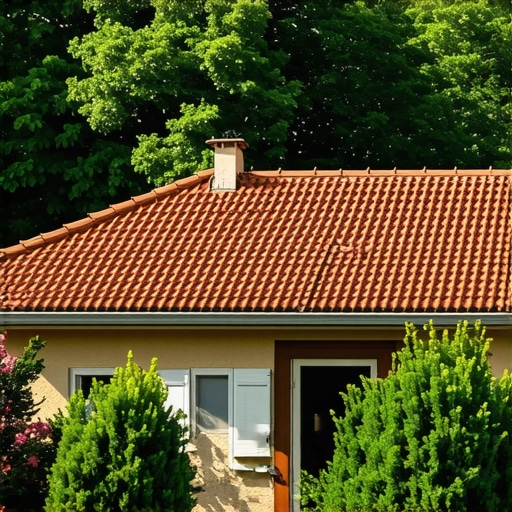
The Forensic Scene: When Your Attic Breathes Its Last
Walking on that roof felt like walking on a sponge. I didn’t need to pull a single shingle to know what I’d find underneath. The bounce under my work boots told the whole story—a story of a roof that had been suffocating for a decade. When I finally pried up a section of the plywood, it didn’t just look wet; it looked like it had been fermented. The homeowner was baffled, blaming the local roofers who installed the shingles five years prior. But the shingles weren’t the culprit. The lack of air was. Most roofing companies can nail a shingle straight, but few understand the thermodynamics of an attic space. If your attic can’t breathe, your roof is essentially a slow-motion car crash waiting to happen.
The Physics of Failure: Why Your Roof is Sweating
In our climate, the battle isn’t just against rain; it’s against the moisture trapped inside. During a cold snap, warm air from your kitchen and bathroom migrates upward. Through a process called thermal bridging, this warm, moist air hits the freezing underside of your roof deck. If that air isn’t moved out fast, it reaches the dew point, turning into frost. When the sun comes out, that frost melts, saturating the wood. This isn’t a leak from the outside; it’s a flood from within. I’ve seen roofing systems fail in record time because the contractor ignored the stack effect—the natural buoyancy of warm air that should be pulling fresh air from the soffits and pushing it out the ridge. When this flow is disrupted, hydrostatic pressure pushes moisture into places it was never meant to go.
“Net free ventilating area shall be not less than 1/150 of the area of the space ventilated.” – International Residential Code (IRC) R806.2
1. The Intake Revolution: Fixing the Soffit Blockage
The most common mistake local roofers make is forgetting that ventilation is a two-part system. You can have the best ridge vent in the world, but if your intake is clogged, it’s useless. I often find that insulation crews have blown fiberglass right over the soffit vents, effectively strangling the house. In 2026, the standard for a healthy roof requires baffles—hard plastic or foam channels that keep the insulation away from the roof deck. This creates a dedicated highway for cold air to enter. Without these channels, your attic becomes a stagnant pool of humidity. If you see a ‘shiner’—a nail that missed the rafter—dripping with water in the winter, your intake is likely the problem.
2. Mechanical Exhaust vs. Passive Ridge Vents
Not all vents are created equal. Many roofing companies still push power fans, but in a forensic analysis, these often do more harm than good. A high-powered fan can create a negative pressure zone so strong it actually sucks conditioned air out of your living room through recessed lights. By 2026, we are seeing a shift toward high-efficiency ridge vents with external baffles. These use the Venturi effect—wind blowing over the ridge creates a vacuum that pulls air out of the attic. It’s passive, it’s quiet, and it doesn’t have a motor that will burn out in three years. When you look at your roofline, that slight bump at the peak shouldn’t just be a plastic cap; it should be a functional exhaust port.
3. Sealing the Attic Bypasses
Airflow isn’t just about what happens on the roof; it’s about what leaks from the house. Forensic roofing involves looking at the ‘attic bypasses’—holes for plumbing stacks, electrical wires, and chimneys. If these aren’t air-sealed with fire-rated foam or caulk, your attic is constantly fighting the moisture from your showers and cooking.
“A roof is only as good as its flashing and its ability to shed heat.” – Old Roofer’s Adage
When local roofers ignore the bypasses, they are leaving the roof deck vulnerable to ‘attic rain.’ You need a contractor who understands that the roof is the lid on a pressurized vessel.
4. The Calculation of Net Free Area (NFA)
Stop letting roofing companies guess how many vents you need. There is a mathematical formula for this. You need to balance the intake and exhaust perfectly. If you have more exhaust than intake, you’ll pull air from the house. If you have more intake than exhaust, the air stagnates in the upper peaks. Every 100 squares of roofing material requires a specific NFA calculation. A true professional will measure your attic’s square footage and calculate the exact number of inches of ventilation required to prevent the wood from turning into ‘oatmeal’ over time.
The Cost of Waiting for a Collapse
Ignoring your attic airflow is a gamble with a high price tag. By the time you see a brown spot on your ceiling, the structural integrity of your rafters might already be compromised. ‘Trunk slammers’ will offer you a cheap price and a ‘lifetime warranty,’ but that warranty is worthless if the failure is caused by ‘improper ventilation’—a common loophole. Don’t wait until the smell of rot reaches your nostrils. Demand a forensic inspection of your airflow before the next season hits. If your roofer doesn’t bring a calculator and a flashlight to the attic, they aren’t the right pro for the job.