
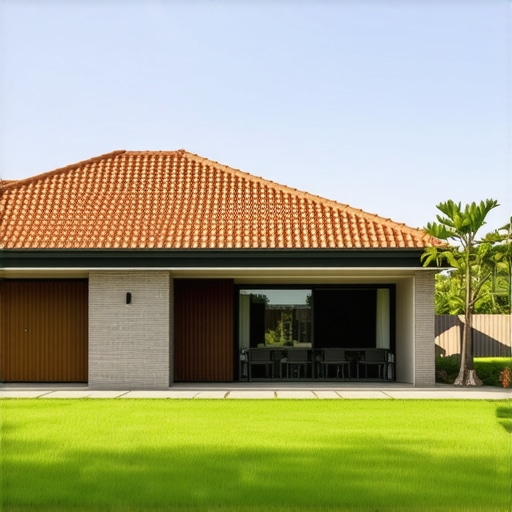
The Forensic Reality of Desert Roofing: Beyond the Aesthetics
Walking on that roof in the peak of July felt like stepping on a tray of dried biscuits; I knew exactly what I’d find underneath before I even lifted a single piece. The home, a beautiful Mediterranean villa in the high desert, was barely twelve years old, yet the owner was dealing with mysterious leaks that no one could trace. As I pulled up a corner piece near the valley, the source of the failure was obvious. The previous local roofers had treated the clay tiles as the primary waterproofing layer. They weren’t. The underlayment—the actual heart of the system—had been cooked into a brittle, black dust by 140-degree attic temperatures and the relentless thermal expansion of the roof deck. This is why I don’t trust marketing brochures; I trust the physics of the assembly.
As we head into 2026, the technology behind roofing companies and the materials they install is shifting. Clay tile isn’t just about ‘curb appeal’ anymore. It is a sophisticated thermal management system that, when installed correctly by real pros, solves the specific mechanical failures that plague the Southwest and Southeast. If you are looking at roofing options, you need to understand the mechanism of ‘Thermal Lag’ and why the newest iterations of clay are outperforming everything else on the market.
1. Thermal Inertia and the ‘Air Gap’ Mechanism
Most homeowners think a roof is just a lid. In the trade, we know it’s a heat exchanger. The first major benefit of the 2026 clay tile specifications is the refinement of the vented batten system. Unlike asphalt shingles that are nailed directly to the deck—transferring heat through conduction like a hot cast-iron skillet—clay tiles sit on a grid. This creates an ‘Above Sheathing Ventilation’ (ASV) space.
“Ventilation of the space between the roof covering and the roof decking is a primary factor in reducing heat flow into the building envelope.” – NRCA Manual
This air gap acts as a thermal break. In the 2026 models, we are seeing deeper ‘lugs’ on the underside of the tile that increase this gap by another half-inch. This doesn’t just keep your attic cooler; it prevents the underlayment from ‘baking.’ When you use a local roofer who understands this, they won’t just slap tiles down; they’ll ensure the birdstops at the eaves are perforated to allow intake air to flow under the tile and out the ridge. It’s the difference between an attic that feels like an oven and one that stays within 10 degrees of the ambient outdoor temperature.
2. UV Degradation and the 2026 Glaze Innovation
The biggest enemy of any roofing system in the desert or coastal regions isn’t rain—it’s the sun. UV radiation vibrates the molecular bonds of organic materials (like the asphalt in shingles) until they snap. This is why shingles ‘shed’ granules; the glue holding them together is literally evaporating. Clay is inorganic. It doesn’t care about UV. However, the 2026 clay tiles have introduced a new ‘Cool Roof’ glaze that uses infrared-reflective pigments. This isn’t just a color choice. These pigments reflect the near-infrared spectrum, which accounts for about 50% of the sun’s heat energy. I’ve seen shiners—missed nails—on shingle roofs literally melt the surrounding bitumen in the height of summer. With the new clay glazes, the tile surface stays significantly cooler to the touch, which reduces the ‘Thermal Shock’ (the rapid expansion and contraction) that causes tiles to crack during a sudden monsoon downpour after a blistering day.
3. Longevity vs. the ‘Lifetime Warranty’ Trap
I get cynical when I hear roofing companies talk about ‘Lifetime Warranties’ on asphalt. In my 25 years, I’ve never seen an asphalt roof last a ‘lifetime.’ I’ve seen them last 18 years if you’re lucky. Clay, however, is a 50-to-100-year material. The 2026 benefit here is the integration of ‘Secondary Water Resistance’ (SWR) technologies. Since the tile itself is basically permanent, the failure point has always been the underlayment. The newest systems are moving toward self-adhering, high-temp modified bitumen membranes that are rated for the same lifespan as the clay.
“A roof is only as good as its flashing.” – Old Roofer’s Adage
When we talk about a ‘square’ of roofing (100 square feet), the weight of clay—about 600 to 1,000 pounds—actually works in your favor for wind uplift. While shingles are flapping and tearing in a 70-mph gust, a properly fastened clay tile roof isn’t moving. The 2026 fastening codes require stainless steel screws or specialized clips that prevent the tile from shifting, even as the house settles. You aren’t just buying a roof; you’re buying a structural shield that doesn’t rot, warp, or burn.
Choosing the Right Local Roofers for the Job
If you’re going to invest in a clay tile system, don’t hire a ‘trunk slammer’ who usually does shingles. Clay requires a forensic eye. You need someone who knows how to build a proper ‘cricket’ behind a chimney to divert water and someone who understands that the valley metal needs to be a specific gauge to handle the weight and water volume. If you see a contractor walking right down the center of your tiles, fire them. They’re micro-fracturing the clay. A pro knows how to walk on the ‘headlap’—the part where the tiles overlap—to distribute their weight. Clay is the gold standard, but only if the person installing it treats it like the precision instrument it is. Don’t let your investment turn into another ‘oatmeal plywood’ horror story. Choose a company that respects the physics of the desert roof.