
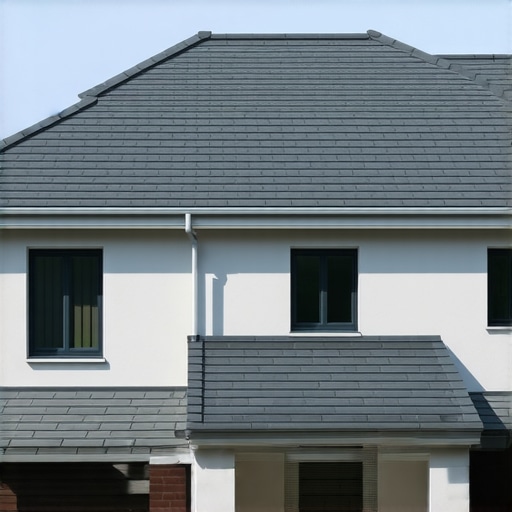
The Forensic Scene: What Lies Beneath the Granules
Walking on that roof felt like walking on a sodden sponge. It was an overcast Tuesday in late November, the kind of day where the dampness clings to your coveralls and the air smells like wet cedar and disappointment. I didn’t need to pull a single shingle to know what I’d find underneath. The bounce in the plywood told the whole story before the pry bar even came out of my belt. When I finally peeled back a square of those weathered three-tabs, the old #15 organic felt didn’t just tear; it disintegrated. It had turned into a black, greasy sludge that offered about as much water protection as a screen door on a submarine. This wasn’t a failure of the shingles; it was a total collapse of the secondary defense system. As we look toward 2026, the industry is finally waking up to the fact that the paper we’ve been using for decades is the weak link in the chain. Most local roofers are still stuck in the 1990s, slapping down cheap felt because it’s what they know, but the physics of modern homes demands a total pivot.
The Material Truth: Why Your Grandfather’s Felt is Obsolete
In the trade, we have a saying: water is patient. It doesn’t need a hole the size of a fist; it just needs a microscopic path and a little bit of capillary action to turn your expensive attic insulation into a mold factory. For years, roofing companies relied on asphalt-saturated felt. It worked, mostly, because houses used to breathe like sieves. Today’s homes are airtight thermal envelopes. When you trap moisture under a non-breathable, low-quality underlayment, you’re essentially shrink-wrapping your house in its own sweat. This is where the 2026 standards for high-performance synthetic underlayments come into play. We’re moving toward materials that aren’t just ‘waterproof’ but are engineered to handle the brutal thermal cycles of the modern roof deck.
“A roof is only as good as its flashing and the membrane that supports it; once the primary barrier is breached, the underlayment is the only thing standing between your drywall and a disaster.” – Old Roofer’s Adage
Reason 1: The Physics of Tear Strength and the ‘Shiner’ Problem
Let’s talk about shiners. Every local roofer has dealt with them. You’re humming along with the nail gun, and a few fasteners miss the rafter, sticking straight through the plywood into the attic space. In the winter, those nails become frost-covered spears. When the sun hits the roof, they drip. If you’re using old-school felt, those nails create a permanent puncture that expands every time the roof grows and shrinks with the temperature. Modern 2026-spec synthetics are designed with high-density polyethylene weaves that actually ‘self-heal’ or grip the fastener shank. More importantly, the tear strength is astronomical. I’ve seen cheap felt rip apart just from a guy’s boot traction on a hot afternoon. If the underlayment is torn around the fastener before the shingles even go on, your ‘new’ roof is already leaking. High-end synthetics stay intact even under heavy foot traffic in the valleys and around crickets, ensuring the water-shedding plane remains unbroken.
Reason 2: Vapor Permeability and the ‘Breathe or Bleed’ Dilemma
One of the biggest mistakes roofing contractors make is failing to understand vapor drive. In cold climates, warm, moist air from your bathroom or kitchen migrates upward. If it hits the underside of a cold roof deck and can’t escape, it turns into liquid water. If your underlayment is a total vapor barrier, that moisture gets trapped against the plywood. Within five years, you have ‘delamination’—which is a fancy word for your roof turning into wet cardboard. The new generation of underlayments coming in 2026 features advanced perm ratings. They allow moisture vapor to escape from the attic while remaining 100% liquid-waterproof from the top down. This ‘one-way valve’ technology is the difference between a roof that lasts thirty years and one that rots out in twelve. When you’re vetting roofing companies, ask them about the perm rating of their underlayment. If they look at you like you have two heads, find another contractor.
“The building envelope must be designed to manage moisture, not just block it, as trapped water is the primary cause of structural degradation in residential roofing.” – IRC Building Code Commentary
Reason 3: UV Degradation and the Reality of Construction Delays
We live in an era of supply chain hiccups and labor shortages. Sometimes a roof deck sits open longer than we’d like. Old asphalt felt starts to curl and ‘fish-mouth’ after just 48 hours of sun exposure. The UV rays bake the oils out of the paper, making it brittle and useless. By the time the shingles are actually nailed down, the felt is already compromised. The 2026 upgrade standards focus on long-term UV stability. We’re talking about membranes that can sit exposed for 90 to 180 days without losing their structural integrity. This is vital because it protects the square footage of your home during the most vulnerable part of the job. It also provides a much safer walking surface for the crew. I’ve seen men slip on ‘bubbled’ felt that lost its grip in the heat; a high-traction synthetic surface is as much about safety as it is about waterproofing.
The Warranty Trap: Don’t Get Fooled by Marketing
Here is the brutal truth: that ‘Lifetime Warranty’ on your shingles is often void if the underlayment fails first. Most manufacturers require a specific system-flip to honor the full terms. If your local roofer uses a high-quality shingle but pairs it with the cheapest 15-pound felt he can find at the big-box store to save $400 on the bid, he’s effectively nuked your warranty. You need to look for a ‘system’ approach. This includes proper drip edge installation, a dedicated starter course, and an ice and water shield in the valleys. Don’t let a ‘trunk slammer’ convince you that underlayment is just a temporary cover. It is the heart of your roof’s hydraulic defense. If you ignore the quality of the membrane, you’ll eventually deal with rotten fascia boards and saturated rafters, which costs double to fix in the long run.
Picking a Contractor Who Understands the Science
When you start calling roofing companies, don’t just ask about the price per square. Ask about the ‘lap.’ Ask about how they handle the cricket behind the chimney. A pro will tell you that the underlayment should be lapped at least 4 inches on the horizontals and 6 inches on the verticals. They’ll talk about ‘secondary water resistance’ and why they use stainless steel nails for the drip edge to prevent galvanic corrosion. If they are still talking about felt paper like it’s 1974, they aren’t the ones you want on your house. The cost of upgrading to a 2026-standard synthetic underlayment is usually less than 5% of the total job cost, but it’s the difference between a dry home and a forensic nightmare.