
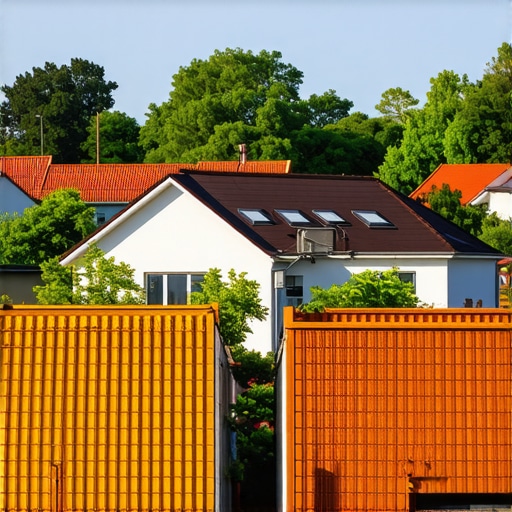
The Forensic Scene: Why Pretty Roofs Often Fail First
Walking on that roof felt like walking on a sponge. I knew exactly what I’d find underneath the moment my boots hit the granules. The homeowner was beaming, telling me about the ‘Designer Charcoal’ shingle they had installed just four years ago. It looked sharp from the curb, sure, but on the roof deck? It was a massacre. In our climate, where the sun beats down with the intensity of a forge, that dark pigment was absorbing every kilojoule of radiant heat. The attic was 160 degrees. The plywood had begun to delaminate because the heat had baked the resins right out of the wood. This is the reality most roofing companies won’t tell you: curb appeal is a death sentence for your rafters if you don’t understand the physics of thermal loading. When you search for local roofers, you’re usually looking for a price and a color. But as someone who has spent 25 years inspecting the failures of ‘cheap’ installs, I’m here to tell you that 2026 is bringing a shift toward colors that actually protect the structure.
[IMAGE_PLACEHOLDER]
The Physics of Pigment: More Than Just a Pretty Face
Before we get into the 5 best colors for 2026, you need to understand thermal shock. Asphalt shingles are essentially a fiberglass mat soaked in oil-rich bitumen and covered in crushed rock. Those granules aren’t just for decoration; they are the UV armor. When you choose a color, you are choosing a specific thermal absorption rate. A dark slate shingle can reach temperatures 50 to 70 degrees higher than the ambient air. This causes the asphalt to ‘outgas.’ Think of it like a sponge drying out in the sun. Once the oils are gone, the shingle becomes brittle. When the temperature drops 40 degrees at night, the material tries to contract. If it’s too brittle, it cracks. We call this thermal cycling fatigue.
“A roof is only as good as its flashing and its ability to shed heat.” – Old Roofer’s Adage
1. Weathered Sage: The Organic Shield
Heading into 2026, we are seeing a massive move toward earth-integrated tones. Weathered Sage is a mix of muted greens and soft grays. From a forensic standpoint, this is a winner. The green pigment reflects a significant portion of the infrared spectrum compared to deep blacks. This reduces the heat load on your cooling system. When local roofers install a ‘square’ (that’s 100 square feet of roofing) of sage-colored shingles, they are giving the house a fighting chance against UV degradation. It hides the inevitable ‘bleeding’ of asphalt better than lighter tones, keeping your curb appeal high for decades, not just years.
2. Desert Sandstone: The Reflective Powerhouse
If you live in an area where the sun is your primary enemy, Sandstone is the king of 2026. This color mimics the natural hues of the Southwest. The magic here is in the SRI (Solar Reflectance Index). High-quality Sandstone shingles use specialized granules that bounce a huge percentage of solar energy back into the atmosphere. I’ve seen attics under Sandstone roofs run 20 degrees cooler than the house next door with a standard black roof. That’s the difference between your AC unit lasting 10 years or 20. When you’re talking to roofing companies, ask if their Sandstone options meet ‘cool roof’ standards.
3. Arctic Pewter: Modernism Meets Thermal Management
The ‘Modern Farmhouse’ trend isn’t going away, but the trend of using matte black roofs is—thankfully—dying out among smart homeowners. Arctic Pewter provides that crisp, modern look without the heat penalty. It’s a multi-tonal gray with silver highlights. These silver granules are often ceramic-coated, which adds a layer of protection against algae growth (those nasty black streaks you see on older roofs). It’s a sophisticated look that provides high contrast for your curb appeal while keeping the ‘thermal expansion’ of your roof deck within a safe range.
4. Copper-Inflected Earth Tones
This is for the homeowner who wants the look of a $40,000 metal roof without the price tag. These shingles use a blend of browns, tans, and metallic-flecked granules. From a forensic perspective, the variance in color is actually a benefit. It masks ‘shiners’—those nails that missed the rafter and might cause small bumps—and it disguises minor granule loss over time. It’s a ‘busy’ color that tricks the eye, ensuring your roof looks new even when it’s 15 years into its lifespan.
“The roof shall be covered with approved roof coverings of a design and material that prevent the entry of water and manage thermal loads according to local climatic conditions.” – International Residential Code (IRC)
5. Coastal Driftwood: The Ultimate Texture Play
Driftwood is a classic that is seeing a resurgence in 2026 because it works with almost any siding color. It’s a mix of deep browns and light grays. The secret here is the depth of shadow lines. High-definition (HD) shingles in Driftwood create a ‘thick’ look that mimics wood shakes. As a forensic investigator, I like these because they are typically heavier-weight shingles. Mass equals durability. A heavier shingle is less likely to suffer from ‘wind uplift’—the phenomenon where high-velocity air creates a vacuum and peels the shingle right off the deck because the ‘seal strip’ failed.
The Trap: Why ‘Lifetime Warranties’ Are Marketing Nonsense
Don’t let a contractor sell you on a color just because it has a ‘Lifetime Warranty.’ In the roofing world, ‘Lifetime’ is a legal term that usually only covers manufacturing defects, not ‘wear and tear’ caused by the sun. If you pick a dark color in a hot climate and it bakes itself to death in 12 years, the manufacturer will blame your attic ventilation, not their product. They’ll point to your ‘soffit vents’ and say they were clogged. This is why choosing the right color and the right local roofers is a technical decision, not just a cosmetic one.
The Mechanic’s Advice: Beyond the Color
When the crew starts tearing off your old roof, get up there (safely) and look at the deck. If you see ‘shiners’ sticking through the plywood, or if the ‘cricket’ (the small peak behind your chimney) is rotted, the color of your shingles doesn’t matter. You’re just putting a tuxedo on a corpse. Ensure your contractor is using a high-quality synthetic underlayment, not that cheap #15 felt paper that tears if you look at it wrong. And for the love of all things holy, make sure they aren’t ‘high-nailing.’ If the nail isn’t in the common bond—the thickest part of the shingle—that ‘best color of 2026’ is going to end up in your neighbor’s yard during the next big blow.
Conclusion: Choosing for the Future
Your roof is a shield, not a fashion statement. As you look at the 2026 trends, lean toward the lighter, earth-toned palettes. They offer the best balance of aesthetic beauty and thermodynamic protection. When you interview roofing companies, don’t ask what looks best; ask which color has the best solar reflectance for your specific zip code. That’s how you get a roof that doesn’t just look good on a brochure, but actually keeps your family dry and your energy bills low for the next quarter-century.