
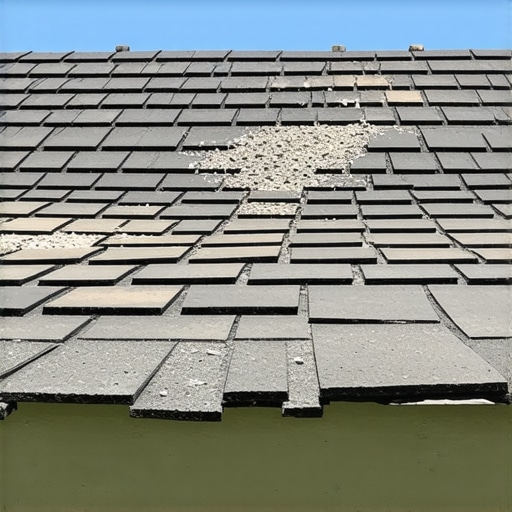
The Sound of a Dying Roof: Why Your Gutters Are Filled with Grit
If you have spent any time on a ladder this season, you might have noticed something unsettling in your gutter troughs. It looks like coarse, dark sand—or what we in the trade call ‘gutter glitter.’ For homeowners dealing with local roofers, this isn’t just a cosmetic nuisance; it is the literal lifeblood of your home’s protection washing away into the storm drain. By 2026, we are seeing a massive spike in premature shedding from shingles installed during the chaotic supply-chain rushes of a few years back. Those shingles are hitting their ‘failure inflection point’ early, and if you don’t know the physics of why it’s happening, you’re going to get sold a bill of goods by a salesman who has never actually swung a hammer.
My old foreman used to say, ‘Water is patient. It will wait for you to make a mistake, and it will use the sun to help it get inside.’ He wasn’t talking about a sudden leak; he was talking about the slow, microscopic erosion of the asphalt shingle. When those ceramic-coated granules disappear, the UV rays from the relentless sun reach the bitumen—the sticky, oily asphalt—and bake it until it’s as brittle as a saltine cracker. Once that happens, your roof isn’t a shield anymore; it’s just a countdown to a disaster.
The Physics of Shedding: Why 2026 is the Breaking Point
To understand why roofing companies are suddenly swamped with granule complaints, you have to understand ‘Mechanism Zooming.’ A shingle isn’t just one piece of material; it is a sandwich of fiberglass mat, asphalt saturant, and ceramic granules. The granules are there for one reason: UV protection. Think of them as a permanent layer of sunscreen. In high-heat regions like the Southwest or the humid corridors of the South, the thermal expansion and contraction—what we call thermal shock—stretches that asphalt mat thousands of times a year.
By the time we hit 2026, many of the ‘budget-grade’ shingles used during the post-pandemic building boom are losing their bond. The oils that keep the asphalt flexible are outgassing. As those oils evaporate, the grip on the granules loosens. When a heavy rain hits, the water doesn’t just slide off; it acts like a scrub brush, physically knocking the loose stones into the valley and down into the downspouts. If you hear a ‘shushing’ sound in your pipes during a storm, that is the sound of your roof’s warranty evaporating. When the granules are gone, the sun causes ‘crazing’—small, spider-web cracks in the asphalt. Once those cracks reach the fiberglass mat, the shingle becomes a sponge, drawing water in through capillary action.
“The primary purpose of the granules is to protect the asphalt coating from the ultraviolet rays of the sun, which would otherwise cause the asphalt to deteriorate rapidly.” – National Roofing Contractors Association (NRCA) Manual
Sign #1: The ‘Bald Spot’ and the Exposed Scrim
The first sign of 2026-era failure is the appearance of dark, shiny patches on your roof slopes, particularly on the southern-facing facets. When you look up from the driveway, you might think it’s just a shadow or a bit of algae. But if you get up there—feeling the 150°F heat radiating off the deck—you’ll see the ‘scrim.’ This is the fiberglass mesh showing through because the asphalt and granules have completely eroded away. When a roofing professional sees this, they know the roof is functionally dead. You can’t ‘patch’ a bald spot any more than you can patch a hole in a parachute. At this stage, the material has lost its structural integrity. If you ignore it, the next hailstone or heavy wind will snap that brittle tab right off, leaving a shiner (an exposed nail) that invites water directly into your attic bypass.
Sign #2: Accelerated Pitting from Thermal Expansion
In regions with high temperature swings, we are seeing ‘pitting.’ This isn’t hail damage, though many fly-by-night local roofers will try to tell you it is to get an insurance claim started. Pitting happens when the asphalt under the granules expands at a different rate than the granules themselves. Eventually, the granule is literally spit out of the mat. By 2026, we are seeing this occur in ‘organic patterns’ rather than the localized bruising of hail. If you see circular areas of loss across the entire square (100 square feet of roofing), your shingles are suffering from a chemical failure, not a weather event. This is where the ‘Lifetime Warranty’ marketing falls apart. Most manufacturers will claim ‘normal wear and tear’ or ‘environmental factors,’ leaving you holding the bag for a full replacement.
Sign #3: The Grit-Lock in the Gutters
Check your downspout exits. If you see a pile of granules that looks like it could fill a bucket, your roof is ‘shedding.’ A small amount of loss is normal in the first year after installation—that’s just excess from the factory. But a roof that is five to seven years old should not be shedding enough grit to clog a cricket or a gutter strain. This indicates the bitumen has dried out prematurely. When we perform a forensic teardown on these roofs, we often find that the plywood underneath is bone-dry and brittle because the attic ventilation was insufficient, ‘cooking’ the shingles from both sides. It’s a literal oven up there, and the granules are the first thing to go.
“Roof systems shall be designed and installed in accordance with this code and the manufacturer’s installation instructions.” – International Residential Code (IRC) R903.1
The Material Truth: Asphalt vs. The World
If you are facing a replacement in 2026 because of granule loss, you have a choice to make. You can go back with standard asphalt, or you can look at materials that don’t rely on ‘rocks glued to oil.’ Metal roofing, for instance, doesn’t have granules to lose. In high-UV zones, a standing-seam metal roof reflects the heat that kills asphalt. Yes, the upfront cost is higher, but you aren’t playing the ‘granule lottery’ every ten years. If you must stay with asphalt, ensure your roofing companies are using ‘cool roof’ rated shingles that have higher reflectivity and better chemical stabilizers to prevent the outgassing that leads to shedding.
How to Avoid the ‘Trunk Slammer’ Trap
When the word gets out that a neighborhood is seeing granule loss, the ‘storm chasers’ will arrive. They’ll knock on your door promising a free roof. Don’t fall for it. A real forensic roofer will bring a moisture meter and a hawk-eye for ventilation issues. They’ll check your soffits and your ridge vents because they know that granule loss is often a symptom of a larger airflow problem. If a contractor doesn’t look in your attic, they aren’t a roofer; they’re a salesman. You want someone who understands the local codes and isn’t just trying to slap a new layer of shingles over a rotting problem. In 2026, the stakes are too high to trust someone who doesn’t know the difference between a functional failure and cosmetic wear. Protect your home by looking for the signs early, and don’t let a little ‘gutter glitter’ turn into a flooded living room.