
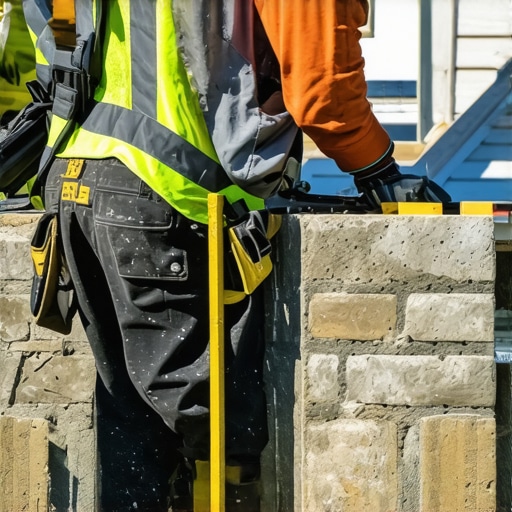
The first thing I smelled when I stepped into the attic of that 1920s Tudor was not old insulation or dust; it was the heavy, cloying scent of wet lime and rotting heart pine. Walking on that roof felt like walking on a sponge near the chimney. I knew exactly what I would find before I even pulled my bar. Most local roofers see a brick chimney or a parapet wall and think a bead of NP1 caulk is going to save the day. They are wrong. Water is a patient predator. It doesn’t just fall; it breathes. It migrates through the microscopic pore structure of a brick like a slow-motion flood, and if your roofing companies aren’t thinking about the 2026 physics of masonry, your interior drywall is already on borrowed time.
The Forensic Autopsy: Why Masonry and Roofing Collide
When we talk about roofing, we usually talk about shingles, metal, or membrane. But the most dangerous part of any roof is where the vertical meets the horizontal. Brick is a sieve. A standard clay brick can hold a significant percentage of its weight in water. In cold climates, that water undergoes a phase change, expanding as it turns to ice and literally shredding the face of the masonry—a process we call spalling. But the real failure happens at the transition. I have seen countless jobs where a roofer installed a beautiful new field of shingles but failed to address the ‘wicking’ effect of the masonry. Water hits the brick, travels downward via gravity, and then hits the roof deck. If the flashing isn’t integrated into the brick, the water just slips behind the metal and turns your plywood into oatmeal.
“Flashings shall be installed in such a manner so as to prevent moisture from entering the wall and roof through joints in copings, through moisture-permeable materials and at intersections with dissimilar materials.” – International Residential Code (IRC) R903.2
The 4 Ways to Waterproof 2026 Masonry
To stop the bleed, you have to move beyond the surface. Here are the four forensic-grade methods that separate the pros from the trunk-slammers. 1. Through-Wall Flashing: The Only Real Cure. This is the ‘surgery.’ We don’t just slap metal against the brick. We remove a course of brick, install a stainless steel or high-density polyethylene pan that collects internal moisture, and direct it out through weep holes. If your roofing companies aren’t talking about weeps, they aren’t waterproofing; they’re just decorating. 2. The Reglet Cut and Counter-Flashing. We take a diamond blade and grind a deep groove into the mortar joint. The metal flashing is then tucked into this groove and locked with lead wedges. This creates a mechanical bond that gravity cannot defeat. 3. Silane/Siloxane Penetrating Sealants. Unlike cheap acrylic ‘wet look’ sealers that trap moisture inside the brick and cause it to explode during a freeze, silanes are breathable. They change the surface tension of the brick pores, making the masonry hydrophobic while allowing interior vapor to escape. 4. Kick-out Flashing Geometry. Every single time I see a wall-to-roof intersection, I look for the ‘cricket’ or the ‘kick-out.’ Without a properly angled diverter at the eave, 100% of the roof’s runoff is channeled directly into the siding or the masonry corner. It’s a concentrated firehose that will find a ‘shiner’—a missed nail—every single time.
“A roof is only as good as its flashing.” – Old Roofer’s Adage
[image placeholder]
The Physics of Failure: Capillary Action and Hydrostatic Pressure
Let’s talk about mechanism zooming. When rain hits a brick wall, it doesn’t just run off. Capillary action—the same force that pulls water up a straw—draws moisture deep into the mortar joints. If the roofer used a ‘shiner’ in the flashing, that nail creates a path of least resistance. Once that water is behind the flashing, it’s trapped. The sun comes out, the attic heats up to 140°F, and that trapped water turns into vapor. This vapor pressure pushes against the roof deck from the underside, causing shingles to blister and organic felt to rot from the inside out. You won’t see a drip for two years, but by the time you do, you’re replacing three squares of decking and the fascia boards. This is why hiring local roofers who understand the ‘hygrothermal’ behavior of a building is the difference between a 30-year roof and a 5-year disaster. Don’t let them tell you that a ‘lifetime warranty’ covers a failure to integrate the masonry. Read the fine print; it rarely does. The cost of doing it right is high, but the cost of the surgery later is triple.