
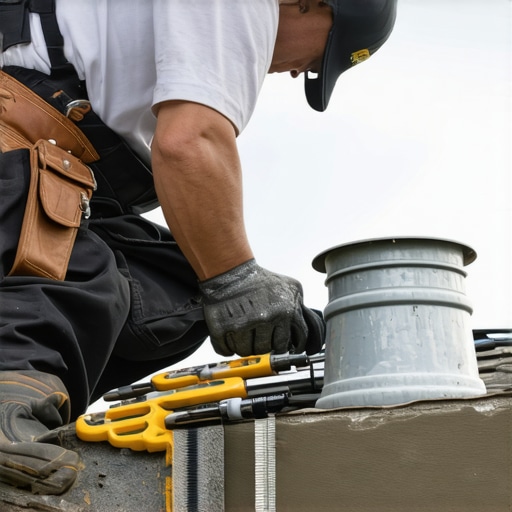
The Forensic Reality: Why Your Roof is Failing
Walking on that roof in Portland felt like walking on a giant, waterlogged sponge. I knew exactly what I’d find underneath the moment my boots sank an inch into the asphalt. The homeowner was baffled; the roof was only seven years old. But as a forensic roofer, I don’t look at the age—I look at the physics of failure. The gable ridge vents were ‘sealed’ with nothing but a prayer and some cheap, hardware-store silicone that had shriveled up like a raisin in the first cold snap. Underneath those shingles, the plywood didn’t look like wood anymore; it looked like wet, black tobacco. This is the price of hiring a trunk-slammer who doesn’t understand that water is patient. It will wait for you to make a mistake, and it will find the path of least resistance through every unsealed gap in your attic’s armor.
The Physics of the Leak: Capillary Action and the Venturi Effect
When most local roofers talk about vents, they focus on airflow. I focus on pressure. Your attic is a pressure cooker. In the North, warm air rises through the stack effect, hitting the cold underside of your ridge vent. If that vent isn’t perfectly integrated, you get two enemies. First, capillary action: surface tension pulls water sideways, literally defying gravity to crawl under your ridge cap shingles. Second, the Venturi effect: wind blowing across your roof creates a low-pressure zone that can actually suck rain and snow backward into the attic through the gable ends. If you don’t seal these points early in the season, you’re just inviting rot to dinner. You can find more about these early warning signs in our guide on 3 signs of poor ridge vent sealing.
“A roof is only as good as its flashing.” – Old Roofer’s Adage
1. High-Modulus Polyether Sealants: The Chemical Bond
Forget standard roofing cement. That stuff dries out and cracks within three years. When you’re trying to seal a gable ridge vent fast, you need a high-modulus polyether sealant. These aren’t your typical caulks; they are moisture-cure adhesives that bond at a molecular level to both the metal of the vent and the asphalt of the shingle. You need to apply a 3/8-inch bead along the ‘flange’ where the vent meets the roof deck. The goal is to create a gasket that can withstand the thermal shock of a roof jumping from 20°F at night to 60°F in the sun. If your contractor is just slapping down ‘black jack,’ fire them. You need a seal that moves with the house. This is a critical step in sealing ridge vents properly before the heavy snow hits.
2. The ‘Cricket’ and Baffle Integration
The intersection where a gable meets the ridge is a forensic nightmare. Most guys just run the shingles over it and call it a day. A pro installs a small cricket—a metal diverter—to move water away from the joint. Then, you integrate a baffle system. The baffle is a wind-deflector that breaks the wind’s speed before it hits the vent opening. Without a baffle, wind-driven rain is forced up and over the internal weather filter. By installing these baffles, you’re effectively killing the Venturi effect. If this isn’t done, you’ll eventually be looking for fixes for rotted roof decking because the moisture will settle into the insulation and start the slow burn of mold.
“Attic ventilation shall be provided with a net free ventilating area of not less than 1/150 of the area of the space ventilated.” – IRC Building Code Section R806.1
3. Compression Gaskets and Closed-Cell Foam Blocks
One of the biggest mistakes roofing companies make is ignoring the ‘shiners’—those missed nails that provide a direct highway for water. When sealing a ridge vent, every fastener must go through a compression gasket. I prefer using closed-cell foam blocks at the gable ends. Unlike open-cell foam, which acts like a sponge, closed-cell foam is hydrophobic. You jam these blocks into the end-caps of the ridge vent. This prevents snow from drifting into the attic during a blizzard. It’s a fast, early-season fix that keeps your plywood from turning into that blackened mush I see on every forensic tear-off. If you’ve already noticed soft spots, check out the signs of hidden plywood delamination to see how much damage you’ve already sustained.
4. Counter-Flashing the Gable Junction
The fourth method involves traditional metalwork. You don’t just seal with goop; you seal with gravity. By installing a custom counter-flashing over the gable-to-ridge junction, you create a mechanical barrier that no amount of wind can penetrate. This involves tucking a metal ‘apron’ under the ridge cap and over the gable trim. It takes an extra twenty minutes, but it’s the difference between a roof that lasts 30 years and one that fails at 10. For those dealing with complex attic joints, I highly recommend reading up on how to stop water entry at attic joint seals. It’s the forensic gold standard for waterproofing.
The Final Inspect: Don’t Wait for the Drip
The roofing industry is full of people who want to sell you a whole new ‘square’ when all you need is proper forensic sealing. If you wait until you see a brown circle on your ceiling, you’ve already lost the battle. The plywood is already compromised, the R-value of your insulation is shot, and you’re looking at a five-figure bill. Sealing your gable ridge vents early is about more than just stopping a leak; it’s about managing the climate of your home. Take a flashlight into your attic during the next rainstorm. If you see silver streaks on the rafters, you have a problem. Don’t call a salesman; call a roofer who knows how to use a caulk gun as a surgical tool. The health of your home depends on those few critical inches of ridge and gable protection. It’s the only way to ensure your roof survives the next twenty winters without becoming another one of my horror stories.