
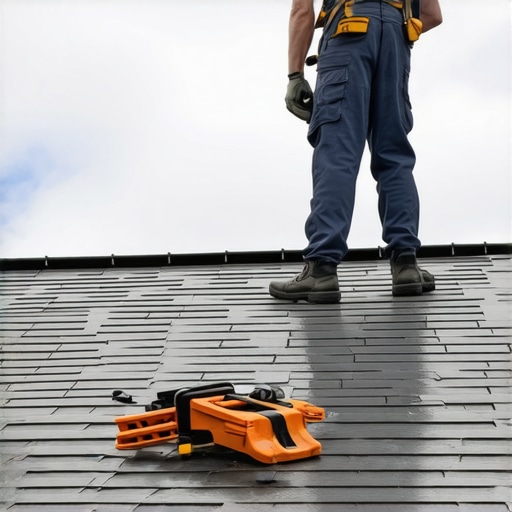
The Anatomy of Post-Storm Chaos: Why Your Roof is the First Victim
The sky is finally clear, but the air still smells like ozone and wet sheetrock. Walking on a roof after a Category 3 gust has ripped through the neighborhood feels like walking on a giant, waterlogged sponge. I knew exactly what I’d find underneath before I even pulled my ladder off the truck. The shingles weren’t just gone; the entire structural integrity of the system had been compromised by high-velocity wind-driven rain. For most homeowners, the instinct is to grab the first phone number they see on a yard sign. That’s your first mistake. After 25 years of forensic roofing, I’ve seen more damage done by roofing companies with out-of-state plates than by the storms themselves. A natural disaster isn’t just a weather event; it’s an economic feeding frenzy where the prey is your insurance check and the roof over your head.
The Physics of Failure: How Wind Actually Destroys a Square
To understand why you need specialized roofing help, you have to understand the mechanism of failure. When a hurricane-force wind hits a gable end, it creates a pressure differential. The air moving over the ridge creates a vacuum—suction—that literally tries to peel the shingles off the deck like an orange. If your previous installer left a ‘shiner’ (a nail that missed the rafter and hit thin air), that shingle becomes a sail. Once one edge lifts, the wind-driven rain finds the ‘lap’—the space between shingles—and uses capillary action to pull water upward, defying gravity. This is why you see local roofers focused so heavily on ‘uplift ratings’ and ‘secondary water resistance.’ It isn’t just about keeping the rain out; it’s about keeping the house from pulling itself apart from the top down. You’ll see water entry at attic joint seals long before you see a drip on your ceiling, and by then, the rot has already started its meal on your plywood.
“The roof is the most vital part of a building’s envelope, yet it is often the most neglected until a catastrophe occurs.” – Principles of Forensic Roofing
The Storm Chaser Defense: Spotting the ‘Free Roof’ Scam
Every disaster brings the ‘trunk slammers’—contractors who follow the hail or wind maps across state lines. They’ll knock on your door, point at some granular loss, and promise a ‘free roof’ by eating your deductible. This is insurance fraud, and it usually results in a sub-par install that will fail in five years. Real local roofers don’t need to chase storms; they’re the ones busy with their existing client base. When vetting roofing companies, you need to look for more than just a pulse and a nail gun. You need to ensure they understand the local wind codes. For instance, in the Southeast, we don’t just use standard felt anymore. We use synthetic shingle felt pads because they don’t tear under high-stress wind loads like the old organic paper. If a guy tells you he’s using 15lb felt after a hurricane, kick him off your property. He’s building you a 1980s roof for a 2024 storm.
The Forensic Scene: What Your Insurance Adjuster Isn’t Telling You
When the adjuster arrives, they are looking for ‘functional damage.’ This means the shingle is actually torn, missing, or fractured. They will often ignore ‘bruising’ from hail or ‘thermal shock’ expansion cracks that occurred when the cold rain hit the 140-degree shingles. You need a contractor who speaks ‘Adjuster.’ You need someone who can point out the ‘creased’ shingles—where the wind lifted the tab, broke the seal, and then laid it back down. The shingle looks fine from the ground, but the adhesive bond is gone. Once that bond is broken, the shingle will never seal again, and the next minor thunderstorm will turn your living room into a swimming pool. This is where immediate leak storm patches come into play to stabilize the structure while you fight the insurance company for a full replacement.
The Logistics of Recovery: Squares, Crickets, and Stainless Nails
If you live near the coast, salt air is the slow-acting poison that storms finish off. I’ve torn off roofs where the nails were so corroded they looked like rusty needles; they had zero holding power. In these zones, stainless steel nails aren’t a luxury; they are a code requirement. Furthermore, look at your ‘crickets’—those small peaked structures behind chimneys designed to divert water. Storms often rip the flashing away from these high-stress points. A quality roofer won’t just slap a shingle over it; they’ll rebuild the metalwork. Before you sign anything, you must verify their general liability insurance. If a worker falls off your wet roof and the contractor isn’t covered, that disaster just became a personal financial catastrophe. Roofing is dangerous work under perfect conditions; in a post-storm environment with debris and unstable decking, it’s a minefield.
“A roof is only as good as its flashing.” – Old Roofer’s Adage
The Surgery: Why You Don’t Want the Lowest Bid
The ‘Band-Aid’ approach is tempting when your deductible is high. You might think a few bundles of shingles and some caulk will fix the problem. But roofing after a disaster is like surgery; you don’t want the cheapest doctor. You want the one who’s going to do a full ‘tear-off’ to inspect the decking for ‘delamination’ (the plywood layers separating). If you shingle over wet or rotting wood, you are essentially sealing in a mold factory. I’ve seen attics where the rafters were sagging because the homeowner waited six months to address a ‘small’ leak. Water is patient. It will wait for you to make a mistake, and then it will rot your ‘fascia’ and ‘soffit’ until your gutters fall off. Hiring reputable local roofers ensures that if a problem arises a year from now, they’ll actually answer the phone. The storm chasers will be three states away by then, chasing the next cloud.