
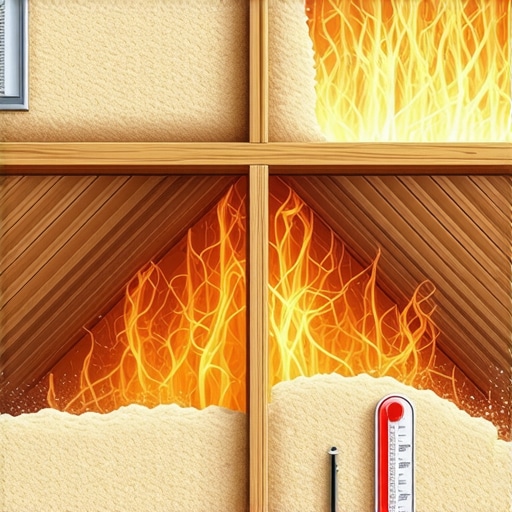
Heat is the Silent Assassin of Your Roof Deck
Walking on that roof felt like walking on a sponge. I knew exactly what I would find underneath before I even pulled my flat bar out of my belt. It was a scorching July afternoon, the kind where the sun turns the asphalt into a gooey mess and the air coming off the ridge vent feels like a blast furnace. The homeowner was complaining about high AC bills, but as a forensic roofer, I was looking at something much more expensive: a structural failure in the making. When we finally peeled back a square of shingles, the plywood decking didn’t just look old; it looked like it had been charred in an oven. It was brittle, dark, and crumbled under my boot. This is what happens when roofing companies treat ventilation as an afterthought rather than a matter of physics.
“Proper attic ventilation consists of a balance between air intake and air exhaust, and is essential for the longevity of the roof system.” – NRCA Manual
1. The Granule Graveyard in Your Gutters
If you see your gutters filled with what looks like black sand, your roof is screaming for help. This isn’t just ‘normal wear.’ In a 2026 climate where summer spikes are becoming the norm, an overheating attic bakes the shingles from the bottom up. Asphalt shingles rely on a delicate balance of bitumen and petroleum oils to stay flexible. When the attic temperature hits 140 or 150 degrees, those oils migrate out of the shingle. Once the oils are gone, the granules—those tiny ceramic stones that protect the roof from UV rays—lose their grip. They slide off the fiberglass mat and wash into your downspouts. When you see those bald spots, the ‘reflective’ properties of your roof are gone, and you’re now absorbing even more heat. Most local roofers will tell you it’s time for a new roof, but if they don’t fix the airflow, the next set of shingles will be dead in seven years instead of twenty.
2. The ‘Spongy’ Decking Phenomenon
When I talk about ‘Mechanism Zooming,’ I’m talking about the cellular breakdown of the wood. Your roof decking is typically CDX plywood or OSB. These materials are held together by glues and resins. Excessive heat in a stagnant attic space causes ‘Thermal Degradation.’ The heat literally cooks the lignin in the wood fibers. As the wood loses its structural moisture, it becomes brittle. Then, the next time a heavy snow or a 140-lb roofer steps on it, the wood flexes too far. If you feel a ‘bounce’ when walking on your roof, or if you see sagging between the rafters, your attic has been a slow cooker for years. This isn’t just a cosmetic issue; it’s a safety hazard. Many roofing companies will try to skip the decking replacement to keep their bid low, but nailing new shingles into ‘baked’ wood is like trying to screw into a digestive biscuit.
“A roof is only as good as its flashing and the substrate it sits upon.” – Old Roofer’s Adage
3. Shingle Cupping and Thermal Shock
Look at your roofline during the golden hour when the sun hits it at an angle. Do the shingles look like they are ‘frowning’ or curling at the edges? This is often a sign of thermal shock. During the day, the shingles expand as they absorb radiation. If the attic underneath is trapped at 150 degrees and a sudden afternoon thunderstorm hits, the temperature of the shingle surface drops 80 degrees in seconds while the underside remains boiling. This massive temperature differential creates internal stress that causes the shingle to cup or curl. Once that shingle curls, it becomes a sail. The next windstorm will catch that edge and rip it right off the deck. We call these ‘shiners’ if we see the nails exposed, and that’s a straight path for water to find its way into your soffits.
4. The Radiant Barrier Mirage
A lot of local roofers are now pushing radiant barrier paints or foils as a ‘fix-all’ for overheating. Here is the trade truth: if your intake vents (the ones under your eaves) are blocked by insulation or bird nests, a radiant barrier is just a shiny band-aid. Heat moves in three ways: conduction, convection, and radiation. A radiant barrier only addresses one. If there is no convective airflow—meaning cool air coming in the bottom and hot air escaping out the ridge—the heat will simply conduct through the rafters and into your living space. You need a ‘cricket’ to divert water around large chimneys, and you need a clear air path to divert heat out of your attic. If your roofer isn’t checking your soffit vents with a flashlight, they aren’t solving your problem.
The Material Truth: Stop Buying ‘Marketing’ Warranties
The biggest trap in the industry right now is the ‘Lifetime Warranty.’ Read the fine print. Most of those warranties are voided if the attic ventilation doesn’t meet the 1/150 rule (one square foot of net free vent area for every 150 square feet of attic floor). If you hire roofing companies that don’t do the math, you’re buying a warranty that won’t be worth the paper it’s printed on when the shingles start failing in five years. You want a contractor who talks about ‘Net Free Area’ and ‘Static Pressure,’ not just one who shows you pretty colors in a brochure. In the high-heat reality of 2026, the physics of your roof matter more than the brand of your shingle. Invest in the system—the vents, the baffles, and the airflow—or prepare to pay for the same roof twice.
This article really highlights how critical proper attic ventilation is for the longevity of the roof. I’ve seen firsthand how neglecting these signs, like shingle cupping or granule loss, can lead to costly repairs down the line. It’s surprising how many homeowners overlook these issues until their roof starts to fail. I particularly agree with the point about radiant barriers being a band-aid if vents are blocked. In my experience, ensuring soffit vents are clear and functioning makes a huge difference, especially in hotter climates where attic heat can quickly escalate. I wonder, though, what are some of the most effective ways to verify that ventilation systems are balanced properly before a roofing issue arises? Has anyone had success with specific products or methods to improve airflow without a full roof replacement? Overall, this post underscores the importance of treating attic ventilation as a system rather than just some added feature.