
The Ghost of Shingles Past: A Veteran’s Take on the Carbon Crisis
My old foreman used to say, ‘Water is patient. It will wait for you to make a mistake.’ He was right, of course. For twenty-five years, I’ve spent my days crawling across scorched plywood and peeling back layers of failure to find where some local roofers took a shortcut that ended in a rotted deck. But lately, there is a new kind of pressure building on the roof deck, and it isn’t just the hydrostatic pressure of a backed-up gutter. It is the weight of the industry’s footprint. By 2026, the way roofing companies operate is going to look radically different because the carbon cost of our trade has finally caught up with us. I’ve seen the smell of rotting cedar and the suffocating heat of a 140°F attic, but the real stench coming down the pipe is the sheer volume of waste we produce. Every time we tear off a 30-square roof, we are dumping nearly five tons of asphalt into a hole in the ground. That is not just a logistics problem; it is an environmental disaster that the industry is finally being forced to answer for.
“Sustainability in roofing is no longer an elective; it is a fundamental requirement of modern building enclosure design.” – National Roofing Contractors Association (NRCA)
If you want to understand how roofing companies will reduce their carbon footprints by 2026, you have to look at the physics of the assembly itself. We are moving away from the era of ‘cheap and fast’ and toward an era of ‘durable and reflective.’ This shift isn’t being driven by a sudden change of heart by contractors, but by a tightening of building codes and a realization that the thermal mass of our homes is bleeding energy. When I walk a roof today, I’m not just looking for a ‘shiner’—that missed nail that’s going to rust and leak in three years—I’m looking at how the entire system manages heat. The carbon footprint of a home is tied directly to the emissivity of the roofing material. If that shingle is absorbing 90% of the UV radiation and dumping it into the attic, your AC unit is working overtime, burning through electricity and shortening its own lifespan. That is carbon in action, and it starts with the choice of material.
1. The Transition to High-Albedo and Low-Embodied Carbon Materials
The first way roofing companies are pivoting for 2026 is through the brutal interrogation of materials. For decades, asphalt has been the king because it’s cheap and easy to slap down. But asphalt is a petroleum-based product with a massive carbon debt. We are seeing a surge in ‘cool roofs’—materials with a high albedo effect. This isn’t just marketing jargon; it’s basic physics. A high-albedo roof reflects sunlight rather than absorbing it. In the Southwest, this has been the standard for years with concrete tile, but in the rest of the country, we are seeing synthetic composites and high-grade metal taking over the market. These materials don’t just last longer; they are often made from recycled content, reducing the ’embodied carbon’ of the project. Embodied carbon is the total sum of all the energy used to mine, manufacture, and transport that material to your driveway. When a roofing company chooses a local supplier for a metal roof made from 95% recycled steel, they are cutting the carbon footprint of that roof by more than half compared to a standard 3-tab shingle installation.
But longevity is the real carbon killer. A roof that lasts 50 years instead of 15 is a roof that only has to be manufactured and installed once. My old foreman was right about water being patient, but he didn’t mention that time is just as patient. I’ve seen cheap shingles curl and lose their granules within a decade because of thermal shock—that rapid expansion and contraction as the sun goes down. A metal or slate roof handles that thermal expansion without cracking, meaning fewer trips for the repair truck and fewer tons of debris in the landfill. When roofing companies start pitching 50-year systems, they aren’t just selling you a better product; they are reducing the long-term carbon cycle of the entire neighborhood.
2. Precision Engineering and the Death of the ‘Dumpster Mentality’
The second major shift is in job site logistics and waste diversion. The traditional roofing model is a ‘tear-off and toss’ system. You bring in a crew, you rip everything down to the deck, and you throw it into a 40-yard dumpster. In 2026, the best roofing companies will be those that have mastered waste diversion. We are seeing a rise in asphalt recycling programs where old shingles are ground down and used in road paving. This sounds simple, but it requires a change in how the crew works. You can’t just mix metal flashing, rotted plywood, and shingles in one bin. You have to sort it. This takes time, and it takes a veteran’s eye to ensure the process doesn’t slow down the ‘starter course’ or the installation of the ‘cricket’ behind the chimney.
“The most sustainable building is the one that is already built, and the most sustainable roof is the one that never needs to be replaced.” – Architecture Axiom
Beyond recycling, we are seeing the adoption of precision measurement tools like aerial thermal imaging and 3D modeling. In the old days, we’d guestimate the ‘square’ count and order 10% extra for waste. Now, with drone-based measurements, we can order exactly what we need. This reduces the carbon footprint of the transportation and manufacturing. No more ‘shiners’ from rushed work and no more wasted bundles of shingles sitting in a garage for ten years until they’re brittle and useless. The precision also extends to the installation of the ‘drip edge’ and ‘ice and water shield.’ By using higher-quality underlayments that provide secondary water resistance, roofing companies ensure that even if a shingle fails, the deck stays dry. A dry deck means no mold, no rot, and no need to replace 4×8 sheets of plywood, which are themselves carbon-intensive products.
3. The Integration of Active Energy Systems
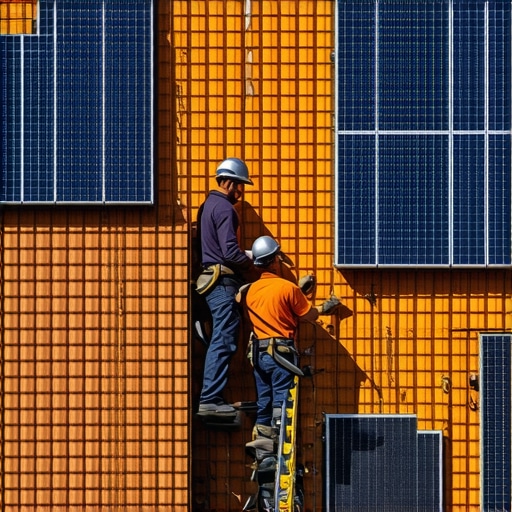
Finally, by 2026, roofing companies will no longer be just ‘the guys who keep the rain out.’ They will be energy contractors. The integration of Building-Integrated Photovoltaics (BIPV) is the final frontier of the carbon footprint battle. We aren’t just talking about clunky solar panels bolted onto the roof—which, by the way, often creates leak points if the ‘local roofers’ don’t know how to flash a penetration properly. We are talking about solar shingles and thermal-regulating underlayments. These systems turn the roof from a passive barrier into an active energy producer. This is where the ‘Mechanism Zooming’ really matters. Consider the ‘capillary action’ of water. Just as water can be pulled upward between two tight surfaces, heat can be pulled into a home through thermal bridging. Future roofing systems will incorporate thermal breaks that prevent the heat of the roof deck from transferring to the rafters. This reduces the HVAC load of the entire building, which is the single largest contributor to a home’s operational carbon footprint.
As a veteran of the trade, I’ve seen too many ‘trunk slammers’ install a roof that looks good for a week but fails at the first sign of a real storm because they didn’t understand the physics of wind uplift or the necessity of a properly ventilated ridge. If you want to reduce your carbon footprint, you don’t just buy a ‘green’ shingle. You hire a contractor who understands the entire attic ecosystem. A roof that isn’t ventilated properly will cook the shingles from the inside out, leading to premature failure and another round of carbon-intensive manufacturing. The ‘Material Truth’ is that sustainability is inseparable from craftsmanship. You can’t have one without the other.
The Trap of the ‘Lifetime’ Warranty
One thing you need to watch out for is the marketing nonsense surrounding ‘Lifetime Warranties.’ In the roofing world, ‘lifetime’ often means the life of the company, which, for many ‘local roofers,’ might only be five years until they change their name to avoid a lawsuit. These warranties rarely cover the labor or the ‘flashings’ which are the most likely points of failure. From a carbon perspective, a warranty is just a piece of paper. What matters is the ‘service life’ of the material. If you want to be truly sustainable, ignore the shiny brochures and look at the technical data sheets. Look for high wind-uplift ratings and Class 4 impact resistance. A roof that can survive a hailstorm without needing a full replacement is the ultimate carbon-saving device. Don’t let a salesperson convince you that a thin asphalt shingle is ‘eco-friendly’ just because the package is green. The real truth is found in the weight of the material and the quality of the ‘valley’ construction.
When you are looking for roofing companies to handle your 2026 project, ask them about their waste diversion rates. Ask them about the SRI (Solar Reflectance Index) of their materials. If they look at you like you have two heads, move on. The trade is changing, and those of us who have spent decades on the roof know that the old way of doing things is a dead end. We are building for a future where every ‘square’ of roofing has to earn its keep, both in terms of protection and in terms of its impact on the planet. Water is patient, but the climate is running out of time. Make sure your next roof is built by someone who knows the difference.
This article really highlights the importance of considering long-term impacts when choosing roofing materials. From my own experience working in sustainable construction, switching to reflective, high-albedo roofing not only reduces cooling costs but also significantly lowers the building’s overall carbon footprint. I’ve found that educating clients about these options helps them make more informed decisions, even if the upfront cost is higher. Personally, I see this shift as the future of roofing—combining durability with environmental responsibility. Has anyone here had success with integrating solar shingles or BIPV systems into their roofing projects? I’m curious about the practical challenges you’ve faced and solutions you’ve found, especially regarding waterproofing and compatibility with existing roof structures.