
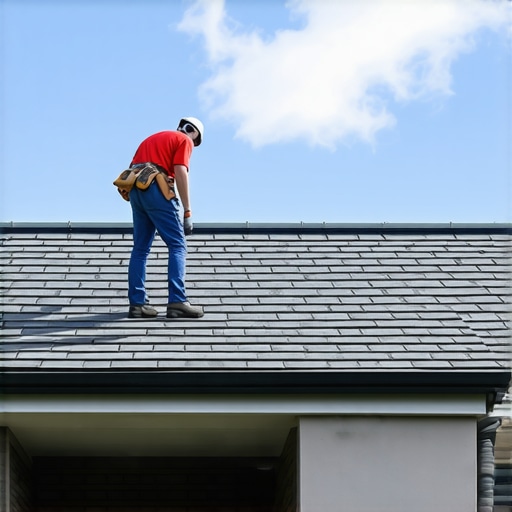
I’ve spent the better part of three decades peeling back architectural shingles that looked pristine from the curb only to find the OSB underneath had the consistency of wet oatmeal. My old foreman used to say, ‘Water is patient. It will wait for you to make a mistake.’ He was right. That mistake is usually a single missed nail, a ‘shiner’ that missed the rafter and now acts as a cold-conduit for condensation, or a poorly executed ‘cricket’ behind a chimney that turns a routine rainstorm into a hydrostatic dam. In the heavy, salt-laden air of the Southeast, where wind-driven rain can turn a minor oversight into a structural catastrophe, the difference between a roof that lasts thirty years and one that fails in five isn’t just the material—it’s the contract you sign with roofing companies.
The Physics of the 140-Degree Attic
In 2026, we aren’t just fighting rain; we are fighting the chemistry of heat. In a typical tropical climate, your attic can easily hit 140°F. If your contract doesn’t explicitly detail the ventilation calculations, you are essentially baking your shingles from the inside out. I’ve walked on roofs that felt like sponges because the lack of a proper ridge seal caused heat to trap moisture against the deck, leading to premature rot. When you hire local roofers, you need to see the math on net free vent area. Without it, your ‘lifetime’ shingle will curl and crack before the first decade is up. This is where most homeowners get burned. They focus on the color of the shingle while ignoring the ‘Secondary Water Resistance’ (SWR) layers that actually keep the house dry when the primary defense is compromised by 80mph gusts.
“A roof is only as good as its flashing.” – Old Roofer’s Adage
The Material Truth: Why ‘Lifetime’ is a Marketing Gimmick
Let’s talk about the ‘Material Truth.’ Most roofing contracts today throw around the word ‘Lifetime Warranty’ like it’s a magic shield. It’s not. Most of those warranties are prorated and cover only manufacturing defects—not the ‘shiner’ that your contractor left in the valley or the fact that they used galvanized nails in a coastal zone where salt air eats zinc for breakfast. For 2026, you should be demanding 316-grade stainless steel fasteners if you’re within five miles of the coast. If a company won’t put that in writing, they are cutting corners to hit a ‘square’ price that looks good on paper but fails in the field. You should also be looking at innovations in shingle design to ensure you aren’t getting old stock that’s been sitting in a humid warehouse for three years.
The Forensic Breakdown of a Failed Valley
I recently inspected a home where the valley was leaking despite being only two years old. The culprit? Capillary action. Water doesn’t just flow down; it moves sideways through surface tension. The installer had skipped the ice and water shield in the valley, thinking a standard felt underlayment would suffice. As the water backed up under the shingles during a heavy downpour, it moved laterally, found the seam, and began the slow process of dissolving the plywood. If you don’t have an ironclad contract that specifies a ‘closed valley’ with metal lining or a specific high-temp underlayment, you’ll be looking for fixes for loose roof valley flashing sooner than you think. The contract must define the ‘scope of work’ down to the brand of sealant used in the joints.
“Roof systems shall be designed and installed in accordance with this code and the manufacturer’s installation instructions.” – International Residential Code (IRC) R903.1
Spotting the ‘Trunk Slammer’ in the Wild
A ‘trunk slammer’ is a guy who gives you a price on a cocktail napkin and disappears the moment the first leak appears. You can spot them by the red flags in their quote. Does the contract mention permit fees? Does it include a ‘Change Order’ cap? In 2026, material prices are volatile. An ironclad contract protects you from ‘hidden costs’ that miraculously appear the moment your old roof is torn off and your house is vulnerable to the sky. I’ve seen homeowners held hostage by a $5,000 ‘wood replacement’ bill that wasn’t capped in the original agreement. Make sure your contract includes a price-per-sheet for decking replacement up front. If you suspect your current roof was a victim of these tactics, check for signs your roofing company is cutting corners before you sign anything new.
The Cost of ‘Cheap’ vs. The Value of ‘Done Right’
The cheapest bid is almost always the most expensive roof you will ever buy. Why? Because the ‘cheap’ guy isn’t installing a ‘starter strip’ at the eaves; he’s flipping a shingle upside down and nailing it. He isn’t using a ‘cricket’ to divert water around your chimney; he’s slathering five gallons of roofing cement—what we call ‘black jack’—over the leak and hoping it holds until his check clears. That cement will dry out, crack, and leak within twelve months. An ironclad contract ensures that every transition, every penetration, and every ridge is sealed with the right mechanical flashing, not just a bucket of goop. Before you pull the trigger, understand the hidden costs of roof replacement so you can compare quotes with your eyes wide open. You are paying for the labor of a craftsman, not just the delivery of a pallet of shingles. If you’re questioning the long-term value, ask yourself is a 30-year warranty actually worth it if the company isn’t around to honor the workmanship part of the deal? In 2026, the contract is your only real protection against the elements and the ‘trunk slammers’ alike. Don’t settle for a handshake when the roof over your head is at stake.