
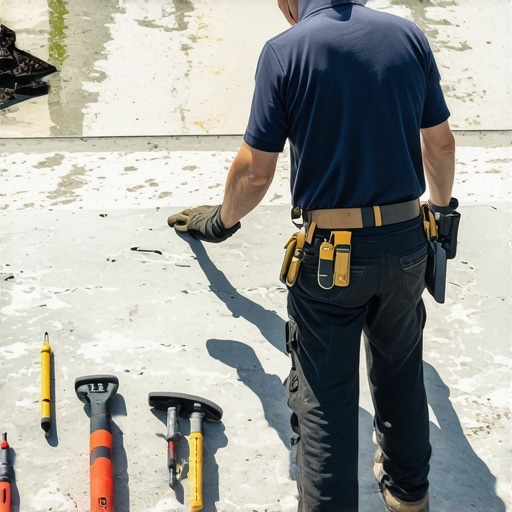
The Forensic Scene: A Biological Autopsy of Your Roof
Walking on that roof felt like walking on a sponge. I knew exactly what I’d find underneath before I even pulled my pry bar. Down in the coastal heat of Charleston, I stepped onto a ‘black’ roof that was supposed to be light gray. The homeowner thought it was soot from the nearby highway. It wasn’t. It was Gloeocapsa magma, a hardy cyanobacteria that doesn’t just sit on your shingles—it eats them. I’ve spent 25 years watching ‘trunk slammers’ spray a bit of bleach and call it a day, only for the stains to return six months later like a bad debt. To actually stop these stains, you have to understand the physics of the organism and the chemistry of the shingles. If you ignore the underlying moisture issues, you’ll eventually deal with hidden decking plywood decay, which costs double to fix once the rot sets in.
“The roof shall be covered with materials that are compatible with each other and the environment in which they are installed.” – International Residential Code (IRC)
1. Copper and Zinc Ionization: The Metallic Shield
The most effective way to stop algae is to turn your roof into a toxic wasteland for bacteria—without hurting the shingles. This is done through ionization. When it rains, water hits metallic strips (usually copper or zinc) installed at the ridge. As the water flows over the metal, it picks up ions. These ions are lethal to algae spores. However, most local roofers install these strips incorrectly. They tuck them too far under the ridge cap, or they don’t account for the ‘washout’ distance. For a standard 10-foot run from ridge to gutter, you need a substantial amount of exposed metal. If the ions don’t reach the bottom courses, you’ll see the algae return at the eave. We’re talking about a microscopic chemical reaction where the metallic ions disrupt the cellular membrane of the algae. If the concentration isn’t high enough because the roofer skimped on the metal ‘square’ footage, the stains win every time.
2. Mechanism Zooming: The North-Facing Micro-Greenhouse
Why do the stains always start on the North side? It’s not magic; it’s thermal retention. In the Southeast, the sun hits the South side hard, drying it out. But the North side stays damp longer. Algae spores are airborne. They land in the shadow of the shingle lap. This is where ‘Mechanism Zooming’ matters. Under a microscope, that shingle lap is a cavern. Water gets trapped there by capillary action—the same way water climbs up a straw. This dampness, combined with the limestone filler used in modern asphalt shingles, creates a buffet for the bacteria. The algae builds a dark, pigment-rich outer shell to protect itself from UV rays. That’s the black streak you see. If your attic isn’t vented properly, the North-side shingles stay warm from the bottom and damp from the top, creating a literal greenhouse for the Gloeocapsa. Using bio-based roof shingle sealants can help close those microscopic pores where water likes to hide.
3. The Pressure Washer Trap: Avoiding Structural Damage
I’ve seen it a thousand times: a guy in a truck offers to ‘blast’ the stains away for $300. This is the fastest way to turn a 20-year roof into a 5-year roof. Asphalt shingles are covered in ceramic-coated granules. These protect the bitumen from UV radiation. When you hit them with a pressure washer, you’re stripping the granules—what we call ‘losing the armor.’ Once the granules are gone, the sun bakes the oil out of the asphalt, and the shingle curls like a stale potato chip. Instead, you need a ‘soft wash’ system using a sodium hypochlorite solution mixed with a surfactant. The surfactant is the key; it breaks the surface tension of the algae’s protective sheath, allowing the chemical to kill the root. But remember, a chemical wash is just ‘The Band-Aid.’ If you don’t fix the environment, the spores will be back next season.
4. Ventilation Physics: Cooling the Substrate
Heat is a catalyst for biological growth. A poorly vented attic can reach 140°F. This heat transfers to the roof deck, keeping the shingles warm long after the sun goes down. In the humid Southeast, this warmth combined with dew creates the perfect incubation period. Most roofing companies just slap on a ridge vent and walk away. But if you don’t have enough intake at the soffits, that ridge vent is useless. It’s like trying to breathe through a straw while someone holds your nose. You need a balanced system that keeps the shingle temperature closer to the ambient air temperature. This reduces the ‘thermal shock’ the shingles experience and slows down the metabolic rate of the algae. Choosing best colors for coastal homes, like light grays or tans, can also help by reflecting more UV and keeping the surface temperature lower.
“Proper drainage and the maintenance of a dry substrate are the primary requirements of any long-term roof system.” – National Roofing Contractors Association (NRCA)
5. The AR Shingle Reality: Why Warranties Fail
Manufacturers now sell ‘Algae Resistant’ (AR) shingles. They mix copper-coated granules into the shingle surface. It’s a great idea in theory, but here’s the trade truth: those granules eventually lose their potency. Think of it like a battery; once the copper ions are spent, the protection is gone. Most ‘Lifetime’ warranties on AR shingles only cover algae for 10 or 15 years, and even then, the pro-rated payout is pennies. When you’re looking at a quote, don’t just look at the ‘AR’ stamp. Ask the contractor about the percentage of copper granules per ‘square.’ If they don’t know the answer, they’re just selling you a brochure. You need to know if the 30-year warranty is actually worth it or if it’s just marketing fluff. In the end, the only way to stop the stains for good is a combination of copper strips at the peaks, proper attic air-flow, and bi-annual maintenance with a non-corrosive cleaner. Water is patient; it will wait for you to ignore your maintenance, and once it finds a ‘shiner’ or a poorly flashed valley, the algae is the least of your problems.