
The High Cost of Cutting Corners on the Ridge
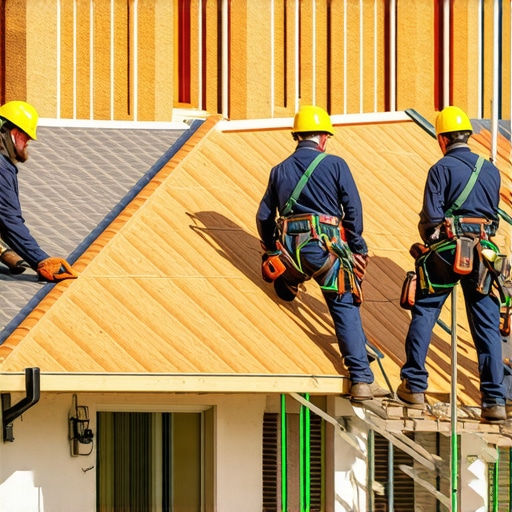
My old foreman, a man who had more scars than a 20-year-old shingle, used to say, ‘Water is patient. It will wait for you to make a mistake, but gravity? Gravity is a predator that never sleeps.’ He was right. After 25 years of inspecting failed installs and forensic investigations into why a square of shingles decided to slide off a roof in the middle of a Houston humidity spike, I’ve seen that safety records aren’t just about avoiding OSHA fines. They are the pulse of a company’s quality. If a crew is sloppy with their harnesses, they are sloppy with your cricket and your flashing. In the Southeast, where the sun beats down at a relentless 100 degrees and the humidity makes a plywood deck as slick as a greased skillet, safety is the only thing standing between a successful install and a legal nightmare.
“A roof is only as good as its flashing, and a company is only as good as the safety of the men who install it.” – Old Roofer’s Adage
When you look at local roofers, you aren’t just buying materials; you are buying their project safety history. A company that prioritizes safety early in the project lifecycle—moving fast to secure the site but slow to ensure the physics of the install are correct—is a company that will still be around to honor their warranty in ten years. Most ‘trunk slammers’ vanish the moment a claim is filed because their safety and insurance overhead was non-existent. Let’s look at the forensic reality of building a local project safety record that actually means something.
1. The Physics of the Pitch: Traction and Underlayment
In our tropical climate, the choice of underlayment is a safety decision as much as a waterproofing one. Traditional organic felt is a relic; it holds moisture, wrinkles like an old shirt, and becomes a slip-hazard the moment a morning dew hits it. Modern roofing companies that know their trade use high-traction synthetic underlayments. Why? Because the coefficient of friction matters when you are 30 feet up on an 8/12 pitch. If the underlayment doesn’t have a non-woven top layer, a roofer’s boot can’t find purchase. This is where residential roofing 3 signs of poor underlayment often start—with a material that was chosen because it was cheap, not because it was safe or effective. A safety-conscious company invests in materials that protect the crew and the home simultaneously.
2. The ‘Shiner’ Problem and Structural Integrity
A ‘shiner’ is a nail that misses the rafter or the designated nail zone. From a distance, it’s invisible. Forensically, it’s a disaster. When a roofer is rushed or working without proper fall protection, their focus is on staying alive, not on the nail line. A missed nail becomes a conduit for water via capillary action. As the sun heats the roof, the wood expands; at night, it contracts. This thermal expansion eventually pushes that shiner out, creating a leak. Building a safety record means slowing down the nailing process to ensure every fastener is driven flush into the meat of the deck. If you see local roofers 5 red flags in a 2026 quote, check if they mention ‘fast-track’ installation—that is often code for ‘we don’t care about nail placement.’
3. Heat Stress and the Forensic Failure of Labor
In places like Florida or Texas, the attic temperature can reach a staggering 140°F. When a roofer reaches the point of heat exhaustion, their cognitive function drops to that of a drunk person. This is when mistakes happen: the starter strip is skipped, the valley flashing is misaligned, or the safety line is detached ‘just for a second.’ A reputable company manages their safety record by managing the clock. They start at 5:00 AM and are off the roof by noon. They understand that a fatigued worker is a liability to the homeowner’s property. They aren’t just ‘fast’; they are strategically early. This discipline is what separates the veterans from the fly-by-night crews who burn out by August.
4. Perimeter Protection and Debris Control
Safety isn’t just for the guys on the shingles; it’s for the family on the ground. A forensic audit of a messy job site usually reveals more than just trash; it reveals a lack of respect for the structure. Nails left in the grass, heavy bundles of shingles dropped directly over a rafter-less section of the deck, and unsecured ladders are hallmarks of a company that will fail your inspection. Proper roofing companies use ‘The Catch-All’ or similar netting systems. This isn’t just about being neat. It’s about preventing hydrostatic pressure issues caused by debris clogging the gutters during a mid-project storm. When things get chaotic, you need emergency tarping 3 rules for 2026 storm safety protocols in place before the first cloud appears.
5. Documentation as the Ultimate Warranty
The ‘Lifetime Warranty’ is the biggest marketing lie in the industry. Most manufacturers will void a warranty if the roof wasn’t installed to the exact IBC (International Building Code) specifications. A company with a strong safety record documents everything. They take photos of the drip edge, the ice and water shield in the valleys, and the off-ridge vents. They manage their roofing companies 5 tips for handling local safety permits with the same precision they use for their tax returns. This paper trail is your only real protection. If a company can’t show you their safety audit for the last three jobs, why would you trust them with the largest asset you own?
“Buildings shall be designed and constructed to resist the effects of earthquake motions and wind loads…” – International Residential Code (IRC) R301.1
Ultimately, the ‘fast’ and ‘early’ nature of roofing in storm-prone regions requires a forensic mindset. You have to look at the roof as a system of shedding water, resisting uplift, and managing heat. If any part of that system—including the human element—fails, the whole thing is a loss. Don’t be seduced by a low bid from a company that treats safety like an afterthought. In the roofing world, you don’t get what you pay for; you get what you verify. Look for the company that treats their safety record like their most valuable tool, because on a hot Tuesday in July, it usually is.