
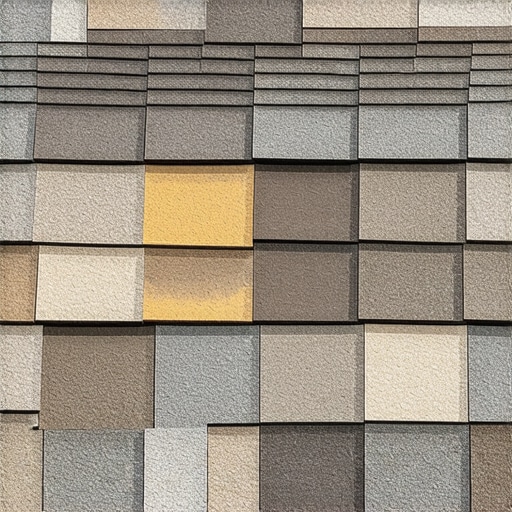
Choosing the right material for a new roof feels like a high-stakes gamble where the house always wins, but in reality, the material is only half the battle. If you are standing in the sweltering humidity of the Florida coast or the wind-battered streets of Houston, you know that a roof isn’t just a lid on a box; it’s a hydraulic management system. Most homeowners get blinded by the color or the ‘Lifetime’ promise on the package, but as a forensic roofer who has spent three decades peeling back the layers of failed systems, I can tell you that the physics of how those shingles are laid—the slope patterning—is what actually keeps your living room dry. Local roofers often rush this phase, especially during the post-storm gold rush, and that is exactly when the ‘Fast Early’ mistakes happen. We aren’t just slapping granules on a deck; we are engineering a defense against wind-driven rain that wants to move sideways and upward, defying gravity.
The Wisdom of the Old Guard
My old foreman, a man who had more tar under his fingernails than blood in his veins, used to sit on a bundle of architectural shingles in the thick, salt-heavy air of a Savannah July. He’d watch a rookie installer moving like a machine and say, ‘Son, water is patient. It has nothing better to do than wait for you to get tired. It will find that one high nail, that one lazy four-inch offset, and it will rot this house out from the inside before the homeowner even smells the mildew.’ He was right. Water doesn’t need a hole to cause a disaster; it just needs a path. If your shingle slope patterning is off, you’re essentially building a staircase for the rain to climb directly into your attic. This is why understanding the ‘Mechanism of Failure’ is more important than looking at a brochure.
“Fasteners shall be driven flush with the shingle surface and not into the sealant strip, ensuring the patterning maintains the structural integrity of the water shed.” – National Roofing Contractors Association (NRCA) Manual
Tip 1: The Geometry of the Offset and Capillary Prevention
The first secret to a roof that lasts 30 years instead of ten is the precision of the horizontal offset. When we talk about slope patterning, we are talking about where the seam of one shingle sits in relation to the seam of the shingle below it. If these seams are too close—say, less than four inches—you are inviting capillary action. This is the physical phenomenon where liquid is sucked into narrow spaces against gravity. In high-humidity zones, wind-driven rain hits the face of the shingle and gets pushed into the seam. If the patterning is tight, that water travels horizontally along the top of the lower shingle until it hits the next seam. If you haven’t checked for signs of poor underlayment, that water will eventually sit against the plywood, and that is where the rot begins. A proper ‘Fast Early’ strategy involves a minimum six-inch offset. This creates a long, difficult path for water to travel, ensuring that by the time a droplet could reach a seam, it has already been directed downward by the pitch of the roof. Cheap roofing companies will ‘rack’ shingles—installing them in a straight vertical line and then filling in the sides—because it’s faster. But racking creates a straight-line ‘vein’ for water. Always insist on a diagonal ‘stair-step’ pattern. It takes longer, but it’s the only way to sleep through a tropical depression.
Tip 2: The High-Wind Fastening Zone and the ‘Shiner’ Epidemic
In the Southeast, wind isn’t just an annoyance; it’s a crowbar. When a hurricane-force gust hits your roof, it creates a negative pressure zone that tries to lift the shingles off the deck. This is why the fastening pattern is the backbone of your slope patterning. Each shingle has a ‘sweet spot’—the common bond where the two layers of an architectural shingle overlap. If the nail misses this zone, you have what we call a ‘shiner’—a missed nail that is either too high or too low. A high nail doesn’t catch the shingle below it, effectively halving the wind resistance of the entire course. When you are vetting shingle lifting early symptoms, look for shingles that feel ‘bouncy’ or flappy. That’s a fastener failure. In ‘Fast Early’ installations, crews often use four nails per square (100 square feet). In a high-wind zone, that is negligence. You need a six-nail pattern, strategically placed to lock the shingles into a monolithic unit. This patterning ensures that the weight and grip of the entire slope work together. If the nails are driven too deep, they cut the shingle like a cookie cutter; too shallow, and they hold the shingle above it up, creating a gap for wind to enter.
“Roofing systems shall be designed and installed to resist the wind suction pressures determined in accordance with Table R301.2(2).” – International Residential Code (IRC), Section R905
Tip 3: The Integrated Valley and Cricket Strategy
The most vulnerable part of any slope patterning is where two planes meet: the valley. This is where the most water flows, and where most ‘Fast Early’ contractors fail. They’ll try to save money by doing a ‘closed-cut’ valley where shingles from one side overlap the other. In heavy rain, the volume of water moving down the slope is so great that it can actually ‘jump’ over the cut line and get forced under the shingles of the opposing slope. A forensic roofer prefers a ‘California Valley’ or a metal-lined open valley. The metal provides a smooth, non-porous path that prevents the algae growth common in the South. If your roof has a chimney or a wide dormer, you must ensure the patterning includes a ‘cricket’—a small false roof built behind the obstacle to divert water. Without a cricket, water pools, hydrostatic pressure builds, and eventually, it forces its way past even the best sealant. If you see loose roof valley flashing, your patterning is already compromised. A real pro integrates the flashing into the shingle courses so that the metal and the asphalt act as a single, impenetrable skin.
The Material Truth: Asphalt vs. The 2026 Shift
While asphalt is king, the heat of the Southwest and the humidity of the Southeast are pushing homeowners toward more resilient options. Thermal shock—where a roof goes from 150°F in the afternoon sun to 70°F during a thunderstorm—causes asphalt to crack and lose granules prematurely. This is why many roofing companies suggest TPO for low-slope sections or even ‘hybrid’ systems that use bio-based sealants to keep shingles flexible. Don’t be fooled by ‘Lifetime’ warranties. Most of those are pro-rated and only cover the material, not the labor to tear off the mess when it fails. A warranty won’t stop algae growth from turning your roof into a green science project; only proper ventilation and copper-infused granules will. When selecting a contractor, don’t ask about their price per square first. Ask about their offset pattern, their nail count per shingle, and how they handle ‘Fast Early’ storm recovery without sacrificing the ‘stair-step’ geometry. A roof is a 2,000-square-foot puzzle. If even five pieces are put in wrong, the whole picture falls apart. Water is patient, but by mastering these three tips, you can ensure it never gets the chance to prove it to you.