
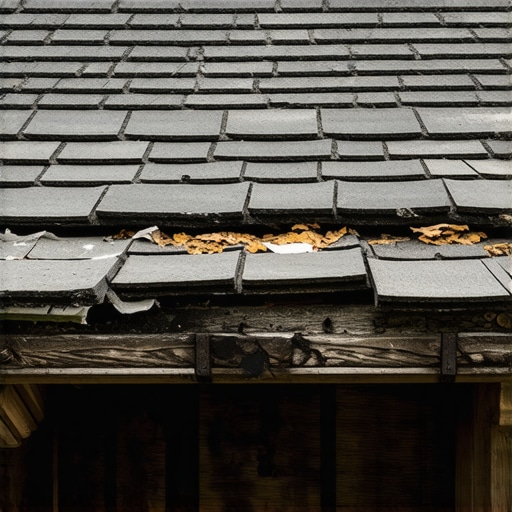
I’ve spent the better part of three decades climbing ladders and peeling back shingles to find what the ‘low-bid’ guys left behind. Walking on that roof felt like walking on a sponge; I knew exactly what I’d find underneath. It wasn’t just a leak. It was a complete structural failure because the deck had turned into something resembling wet cardboard. When you hear the term ‘roofing companies,’ most people think of shingles. But as a forensic investigator, I think of the deck. The plywood is the skeleton of your house’s crown, and once that wood starts to lose its lignin and cellulose to fungal decay, the game is over. You aren’t just looking for water on your ceiling; you’re looking for the silent rot that happens when moisture gets trapped in the dark.
The Physics of Plywood Failure: Why It Decays Fast
Plywood isn’t a solid block of wood. It’s a sandwich of veneers glued together with resins. In a high-humidity climate like the Southeast, where the air is thick enough to drink, the enemy isn’t just rain; it’s condensation. When your attic reaches 140°F and the humidity is 90%, that moisture is looking for a way out. If your ventilation is choked, that water vapor undergoes a phase change on the underside of your cold roof deck. This is where 3 signs of roof decking decay start to manifest. The water doesn’t just sit there; it wicks into the end-grain of the plywood panels. Through capillary action, the moisture travels between the layers, dissolving the glue. This is why forensic roofing experts focus so much on the deck’s health during a decking rot inspection.
“A roof system’s performance is dependent upon the structural integrity of the substrate. Any degradation of the decking materials necessitates immediate removal and replacement to ensure fastener withdrawal resistance.” – NRCA (National Roofing Contractors Association) Manual
Sign 1: The ‘Spongy’ Deflection and the Trampoline Effect
The first sign isn’t something you see; it’s something you feel under your boots. When local roofers walk a roof, they should be feeling for ‘deflection.’ A healthy sheet of 5/8-inch CDX plywood should be rigid. If you step between the rafters and feel the surface dip more than a quarter-inch, you’re looking at delamination. The veneers have separated. This often happens because of a ‘shiner’—a nail that missed the rafter and stayed exposed in the attic. That cold metal nail acts as a condensation point, dripping water directly into the wood fibers year-round. Over time, the wood fibers swell and pull apart. If your roofing doesn’t feel solid, your fasteners aren’t holding. You can’t just nail new shingles into rotten wood; the wind will peel them off like a banana skin because there’s no ‘bite’ left in the timber.
Sign 2: Fastener ‘Back-Out’ and Shingle Humps
Have you ever looked at your roof and seen small, pimple-like bumps under the shingles? That’s not a shingle defect; that’s the wood rejecting the nails. When plywood decays, it undergoes a cycle of swelling and shrinking. This mechanical movement literally pushes the nails out of the wood. We call this ‘fastener back-out.’ Once the nail head lifts, it pushes against the underside of the shingle above it. Eventually, the nail will wear a hole through the shingle. This creates a direct entry point for wind-driven rain. If you notice these bumps, you likely have moisture trapped in the decking. It’s a signal that the underlayment has failed or was never installed correctly to begin with. Without a proper secondary water barrier, your deck is constantly ‘breathing’ moisture from both sides.
Sign 3: Attic ‘Ghosting’ and Rusty Fastener Syrups
If you suspect decay, get in the attic. Don’t just look for a drip. Look at the nails sticking through the wood. If you see dark rings around the nails or ‘rusty syrup’ stains on the plywood, the wood is rotting from the inside out. This ‘ghosting’ is a tell-tale sign of high attic humidity and thermal bridging. When the deck is compromised, you’ll also see white or black fuzzy growth—mold. This isn’t just a health hazard; it’s a structural one. Fungi eat the wood. By the time you see the plywood sagging between the joists, the decay has likely moved into the rafters themselves. This is why attic air leaks are so dangerous; they feed the rot. Once the structural integrity is gone, the roof can no longer handle the ‘uplift’ forces of a heavy storm.
“The roof shall be covered with approved roof coverings secured to the building or structure in accordance with the provisions of this code.” – International Residential Code (IRC) R905.1
The Forensic Fix: Why You Can’t Patch Rot
I’ve seen plenty of ‘trunk slammers’ try to cover up rot with a heavy layer of felt or a ‘cricket’ that doesn’t actually divert water. This is professional malpractice. If the plywood is decaying, the only ‘surgery’ that works is a full tear-off of the affected area. You have to remove the shingles, the underlayment, and the rotten sheet. Then, you must inspect the tops of the rafters for ‘soft spots.’ If the rafter is stained but solid, you can sister a new board to it. If it’s soft, you’re looking at a major structural repair. This is where handling roof voids becomes a critical skill for a contractor. If they just bridge a gap with new wood without fixing the ventilation that caused the rot, you’ll be back in the same spot in five years. You need to ensure the airflow is correct to prevent the ‘oven effect’ from cooking your new deck. Real roofing companies don’t just sell shingles; they sell an integrated system that protects the wood underneath.