
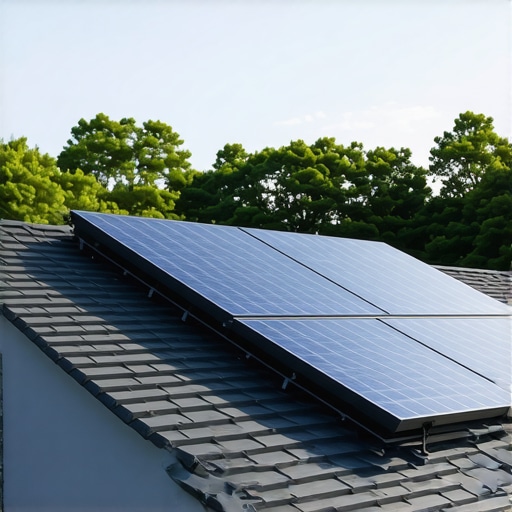
The Wisdom of the Attic: Why Heat is a Silent Thief
My old foreman, a man who spent forty years chasing leaks in the blistering heat of the Sunbelt, used to say, ‘Water is patient, but heat is a thief. Water waits for a look; heat creates one.’ He was right. Most homeowners think their roof fails because of rain, but as someone who has spent over two decades conducting forensic tear-offs, I can tell you the real killer is the 160-degree stagnant air trapped in your attic. I once walked onto a job site where the plywood decking had actually started to char from the inside out—not from fire, but from the relentless thermal degradation of a poorly vented attic. When the air stays still, the bitumen in your shingles begins to ‘cook,’ losing its oils and turning your expensive roof into a brittle, cracking mess. That is why the shift toward 2026 solar caps isn’t just a trend; it is a necessity for anyone tired of paying for a new 30-year roof every 12 years.
“A roof system’s longevity is inextricably linked to the thermal equilibrium of the substrate it protects.” – National Roofing Contractors Association (NRCA) Guidelines
The Physics of the 2026 Solar Cap
When we talk about 2026 solar caps, we are talking about active versus passive defense. Standard static vents—those little ‘turtles’ you see sitting on a roof—rely on the ‘stack effect.’ Warm air rises and, theoretically, exits through the top. But in the real world, wind patterns and dead air zones mean those vents often do nothing. A solar cap changes the physics of the entire system. By using a dedicated solar-powered motor to drive a high-cfm (cubic feet per minute) fan, these units force a complete air exchange every few minutes. Local roofers are seeing the data: an active solar cap can drop attic temperatures by 40 degrees in a single afternoon. This stops the shingles from being baked from both sides. When you reduce the thermal shock—the rapid expansion and contraction of the roof deck as the sun goes down—you stop the nails from backing out, a phenomenon we call a ‘shiner.’ A shiner happens when a nail is pushed up by the moving wood, eventually puncturing the shingle above it and creating a mystery leak that is a nightmare to find.
Mechanism Zooming: Capillary Action and the Ventilation Gap
You might wonder why a ventilation cap matters for water protection. It comes down to hydrostatic pressure and capillary action. When an attic is overheated, the moisture from the house—from showers, cooking, and breathing—rises and hits the underside of the cold roof deck at night. This creates condensation. That water then travels via capillary action, creeping sideways under your underlayment and rotting your starter strip and fascia boards. By the time you see a brown spot on your ceiling, the ‘oatmeal’ effect has already begun on your plywood. Local roofers are now integrating solar caps to keep the underside of the deck bone-dry. This isn’t just about cooling; it is about moisture management. If the air is moving, the water can’t settle. If the water can’t settle, the wood doesn’t rot.
The Warranty Trap and the Value of Professional Roofing Companies
Don’t be fooled by the ‘Lifetime Warranty’ printed on the shingle bundle. If you read the fine print, almost every manufacturer will void your warranty if your attic ventilation does not meet the 1/150 rule. That means for every 150 squares of attic floor, you need one square foot of net free vent area. Most homes fail this miserably. When professional roofing companies install 2026 solar caps, they aren’t just selling you a gadget; they are protecting your warranty. If your roof fails and the manufacturer’s rep sees a lack of ventilation, they will walk away from the claim before you can even finish your sentence. These solar caps provide the documented air movement required to keep those warranties valid. It is the difference between a roof that lasts thirty years and a ‘tailgate contractor’ special that leaves you high and dry when the shingles start to curl.
“The total net free ventilating area shall not be less than 1 to 150 of the area of the space ventilated.” – International Residential Code (IRC) R806.2
Choosing the Right Local Roofers for the Job
Installing a solar cap isn’t as simple as cutting a hole. It requires understanding the pitch of the roof and ensuring you aren’t short-circuiting your ventilation by placing it too close to a cricket or a valley. If you place an active vent too close to a passive intake, you’ll just pull air from the nearest hole rather than drawing it up from the soffits. You need a veteran who knows how to balance the ‘pull.’ When vetting roofing companies, ask them about their CFM calculations. If they look at you like you’re speaking a foreign language, find someone else. A real pro will tell you exactly how many solar caps you need to ensure every corner of that attic is breathing. The cost of a 2026 solar cap is a drop in the bucket compared to the five-figure bill of replacing rotten decking five years from now. Don’t let your roof be a slow-cooker; get the air moving and keep your money in your pocket.
{“@context”: “https://schema.org”, “@type”: “HowTo”, “name”: “How to Improve Roof Longevity with Solar Caps”, “step”: [{“@type”: “HowToStep”, “text”: “Assess current attic ventilation and calculate Net Free Vent Area.”}, {“@type”: “HowToStep”, “text”: “Select a 2026-compliant solar cap with appropriate CFM for the attic square footage.”}, {“@type”: “HowToStep”, “text”: “Hire a professional roofer to install the cap at the highest point of the roof, ensuring no short-circuiting of air flow.”}]}