
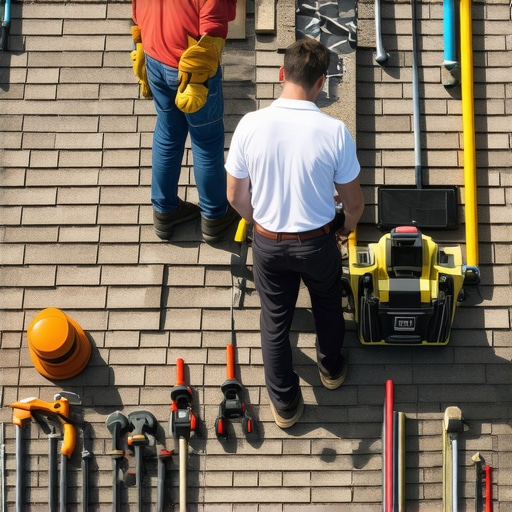
The Investigation: When Your Roof Becomes an Ecosystem
Walking on that roof felt like walking on a sponge. I knew exactly what I’d find underneath before I even pulled my pry bar from my belt. As a veteran who has spent 25 years inspecting the failures of local roofers who prioritize speed over science, I could smell it—the unmistakable, cloying scent of wet, fermented plywood. This wasn’t just a leak; it was an infestation. By the time the homeowner noticed the damp spot over the dining table, the roof system had already surrendered to what I call the 2026 Shingle Pests: a combination of biological organisms and opportunistic critters that exploit every ‘shiner’ and lazy valley cut made by low-bid roofing companies.
The Physics of Failure: Why Shingles Get ‘Eaten’
To understand how to stop these pests, you have to understand the Mechanism of Decay. Most people think shingles are just waterproof shields. In reality, modern asphalt shingles are a buffet. They are composed of a fiberglass mat saturated with asphalt and coated in crushed stone granules. Those granules aren’t just for color; they protect the asphalt from UV radiation. However, many manufacturers use limestone as a filler in the asphalt. In the humid Southeast and the damp corridors of the Midwest, a specific cyanobacteria called Gloeocapsa magma—the ‘pest’ behind those black streaks—literally feeds on that limestone filler. This isn’t just an aesthetic issue. As the bacteria consumes the filler, the granules lose their grip and slough off into the gutters. You’re left with a naked shingle that cracks under the sun’s heat, creating a perfect entry point for secondary pests.
“The asphalt shingle shall be designed to shed water and protect the underlying structure from the elements, but its efficacy is entirely dependent on the integrity of its surface granules and the underlying deck.” – International Residential Code (IRC), Section R905
1. The ‘Invisible’ Barrier: Why Drip Edge Matters More Than Ever
The first way to stop pests is at the perimeter. I’ve seen countless local roofers skip the drip edge or install it over the underlayment rather than under it at the eaves. This creates a tiny gap—a highway for carpenter ants and wasps. When water isn’t kicked away from the fascia, it wicks back through capillary action, soaking the sub-fascia and the edge of the plywood. Once that wood gets soft, it’s an invitation for squirrels to chew their way into your attic. A forensic tear-off usually reveals that the ‘pest problem’ started because a contractor saved twenty bucks on metal flashing. Proper installation requires the drip edge to be fastened securely, ensuring that water is directed into the gutter and not behind it where it can rot the ‘bones’ of your roof.
2. Defeating the ‘Shiner’: The Nail-Specific Entry Point
A ‘shiner’ is a nail that missed the rafter or was driven into the attic space through the sheathing without hitting solid wood. In the cold, humid winter months, these exposed metal shafts become thermal bridges. Warm, moist air from your house hits the cold nail and condenses into droplets. This constant dripping creates a micro-environment of rot. In my 25 years, I’ve seen these spots become the ground zero for fungal growth. Local roofing companies that use high-pressure nail guns without adjusting for the deck’s thickness are notorious for this. To stop 2026 shingle pests, you need a contractor who understands ‘High-Wind’ nailing patterns—six nails per shingle, placed exactly in the nail line—to ensure no moisture-wicking shiners are left to invite rot into your attic.
3. The Cricket Strategy: Managing the Valley Debris
Valleys are the most vulnerable parts of the roof. They are the highways for water, but they are also traps for organic debris. When pine needles and leaves accumulate in a valley, they create a dam. This dam holds moisture against the shingles, leading to the growth of moss. Unlike algae, moss has ‘rhizoids’ (root-like structures) that physically lift the edges of the shingles. Once the shingle is lifted, wind-driven rain gets underneath. This is where a cricket comes in. A cricket is a small, peaked diversion structure built behind chimneys or in areas where water pools. Without a cricket, you’re creating a pond on your roof, and a pond is where pests breed. I always tell homeowners: if your roofer doesn’t mention the ‘valley transition’ or building a cricket, they aren’t thinking about the long-term forensics of your home.
“A roof is only as good as its flashing and its ability to shed water away from critical junctions.” – Old Roofer’s Adage
4. Thermal Shock and Ventilation: The Attic Ecosystem
If your attic is 140°F, your shingles are literally cooking from both sides. This thermal shock causes the shingles to curl and brittle. A curled shingle is a perfect ‘tent’ for pests. Spiders, wasps, and even small rodents love the heat and the shelter. The fix isn’t just more shingles; it’s a balanced ventilation system. You need a specific ratio of intake (at the soffits) to exhaust (at the ridge). Many local roofers will slap a ridge vent on a house without checking if the soffit vents are painted shut or blocked by insulation. Without airflow, the humidity levels in your attic rise, turning the underside of your roof deck into a petri dish. Forensic inspection often shows that ‘pest damage’ is actually a byproduct of a suffocating attic.
5. The Material Truth: Upgrading to Algae-Resistant Shingles
By 2026, the technology for Algae-Resistant (AR) shingles will be the standard, but you have to know what to ask for. Look for shingles infused with copper granules. Copper is a natural biocide. When it rains, trace amounts of copper ions are released across the roof, killing the Gloeocapsa magma before it can take hold. This prevents the degradation of the limestone filler and keeps your roof from becoming a food source. If you’re hiring local roofers, demand a material that carries a long-term algae warranty, not just a ‘lifetime’ manufacturing warranty which often excludes biological growth. Don’t fall for the ‘cheap’ shingle; it’s just a time bomb wrapped in asphalt.
The Surgery: Fixing the Damage
If you already have ‘sponge’ spots, a Band-Aid of caulk won’t save you. You need surgery. This means a full tear-off of the affected ‘square’ (a 100 sq. ft. area), replacing the rotted plywood, and installing a high-temp ice and water shield. In my experience, waiting only increases the cost. A small area of rot can spread across an entire slope in a single season, as water is patient and relentless. Choose a roofing company that understands the physics of water and the biology of decay, or you’ll be calling me back in five years to figure out why your ‘new’ roof is already failing. Protect your home by respecting the science of the roof deck.