
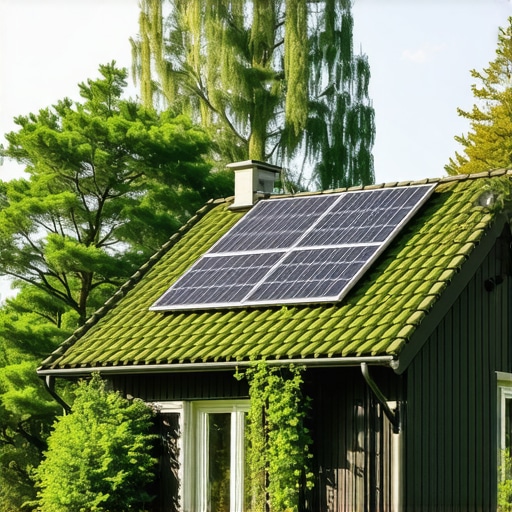
The Marketing Gloss vs. The Structural Reality
I’ve spent twenty-five years crawling across roof decks, and if I’ve learned one thing, it’s that nature hates your house. Specifically, it hates your cottage. You buy a lakeside retreat for the peace, but the environment sees a target. I’m tired of seeing local roofers sell ‘eco-friendly’ packages that turn into a soggy mess after three winters because they didn’t account for the micro-climate. My old foreman used to say, ‘Water is patient. It will wait for you to make a mistake.’ He was right. Most of the ‘green’ roofing I see today is just marketing fluff wrapped around a sub-par product. When we talk about 2026 cottage trends, we aren’t just talking about aesthetics; we are talking about surviving the physics of thermal bridging and moisture migration.
Walking onto a cottage roof in the north feels different. You smell the pine decay, the dampness of the lake, and if the attic isn’t vented right, you smell the slow rot of the structural members. I’ve seen squares of expensive material curling because the installer didn’t understand how heat moves through a cathedral ceiling. We’re going to look at seven solutions that actually hold up when the temperature swings sixty degrees in a single day.
“A roof is not a cover; it is a complex assembly designed to manage the flow of energy and moisture.” – Building Science Principles
1. Reclaimed Blue Slate: The 100-Year Defense
If you want sustainability, stop buying stuff that needs to be replaced every fifteen years. Reclaimed slate is the ultimate eco-play because the carbon debt was paid in the 19th century. When you source this, you aren’t just getting stone; you’re getting a material that has already survived a century of acid rain. However, don’t let a ‘trunk slammer’ near this. Slate requires a structural analysis of your rafters. If you put five tons of stone on a frame designed for asphalt, you’ll find your roof in your living room. The mechanism of failure here isn’t the stone; it’s the fastener. Use stainless steel or copper nails. I’ve seen too many ‘shiners’—missed nails—where the installer used galvanized steel that corroded in the salt air, letting a five-pound slate tile slide off like a guillotine blade.
2. Atmospheric-Carbon-Sequestering Shingles
By 2026, we are seeing shingles that don’t just sit there; they work. These are smog-eating granules integrated into a modified bitumen base. They use a photocatalytic coating that turns nitrogen oxide gases into water-soluble ions. From a forensic perspective, I look at the granule retention. Cheap roofing companies will sell you a ‘cool roof’ that loses its granules in the first hail storm. You want a product where the granules are deeply embedded, preventing UV radiation from reaching the asphalt mat. Once the UV hits that mat, it starts ‘cook-off’—the oils evaporate, the shingle becomes brittle, and the next wind gust creates a ‘chatter’ that snaps the tabs right off.
3. Structural Standing Seam Metal with Integrated Snow-Guards
Metal is the king of the cottage, but only if it’s standing seam. If a contractor tries to sell you an exposed-fastener panel (the kind with the rubber washers), run. Those washers will dry out in five years under the intense UV of a high-altitude or lakeside environment. Standing seam uses a hidden clip system that allows the metal to breathe. This is critical because of thermal expansion. A forty-foot panel can grow by half an inch in the summer sun. If it’s pinned down by screws, it will buckle and ‘oil can,’ creating pockets where water sits. In the north, you need a ‘cricket’ behind the chimney to divert snow, or the sheer weight of a sliding ice slab will rip your flashing right out of the masonry.
4. Wood-Fiber Composite Shakes
Everyone wants the cedar shake look for that rustic cottage vibe, but real cedar is a fire hazard and a rot magnet. The 2026 composite shakes made from compressed wood fibers and post-consumer resins are a different beast. They mimic the cellular structure of wood but resist the capillary action that sucks water into the end-grain. I’ve performed autopsies on old cedar roofs where the plywood was like oatmeal because the shakes stayed damp for three months straight. Composites break that cycle. Just make sure your local roofers are using a breathable underlayment; otherwise, you’re just trapping ‘attic bypass’ moisture against the roof deck.
5. Modular Vegetative Trays
The ‘Green Roof’ is the dream, but a traditional built-up green roof is a nightmare to repair. If you have a leak, you’re digging up a garden to find a pinhole. The 2026 solution is modular trays. These sit on a heavy-duty TPO membrane. The physics here is all about hydrostatic pressure. Water sits in the soil and wants to push downward. By using trays, you create a drainage plane beneath the plants. This prevents the ‘sponge effect’ where the roof deck stays saturated, leading to mold colonies in your rafters. It also makes it easy to swap out a section if you need to inspect the flashing.
“The primary function of a roof is to shed water, yet its greatest challenge is the vapor it cannot see.” – NRCA Manual
6. Bio-Based Polymer Shingles
We are finally moving away from petroleum-heavy products. These shingles use resins derived from soy and corn stalks. What I like as a forensic investigator is their impact rating. They don’t shatter. In a storm, traditional shingles get ‘bruised’—the mat cracks even if the surface looks okay. Bio-polymers have a memory; they flex. When the hail hits, they absorb the kinetic energy rather than resisting it until they snap. This is a game-changer for insurance claims, as it reduces functional damage. But watch your ‘valleys.’ If the installer doesn’t lace these correctly, the stiffness of the polymer can cause ‘bridging,’ creating a tunnel for wind-driven rain to blow right into your attic.
7. Recycled Rubber ‘Slate’ Tiles
Made from old tires, these things are nearly indestructible. You could hit them with a sledgehammer. The eco-story is great, but the trade secret is the dead air space. These tiles are usually ribbed on the back, creating a small thermal break between the tile and the underlayment. This reduces the heat transfer into the cottage, keeping it cooler without cranking the AC. The downside? The smell in the first summer can be intense. Also, they expand and contract significantly. If the roofer ‘tight-pins’ them, the roof will look like a rollercoaster by July. You need an installer who knows how to gap the tiles according to the ambient temperature during installation.
The Final Inspection: Don’t Get Scammed
Sustainability isn’t just about the material; it’s about the installation. I’ve seen the best eco-materials in the world fail because a ‘trunk slammer’ used the wrong flashing or skimped on the ice and water shield. In cottage country, you deal with ice dams. When heat leaks from your poorly insulated attic, it melts the snow, which then refreezes at the cold eave. This creates a dam that backs water up under the shingles. If you don’t have a high-temp self-adhering membrane reaching at least three feet past the interior wall line, you’re going to have a leak. Period. Don’t hire roofing companies that don’t talk about ventilation. If they don’t check your soffit intakes and your ridge vents, they aren’t roofers; they’re just shingle-nailers. Your roof needs to breathe, or it will die from the inside out.