
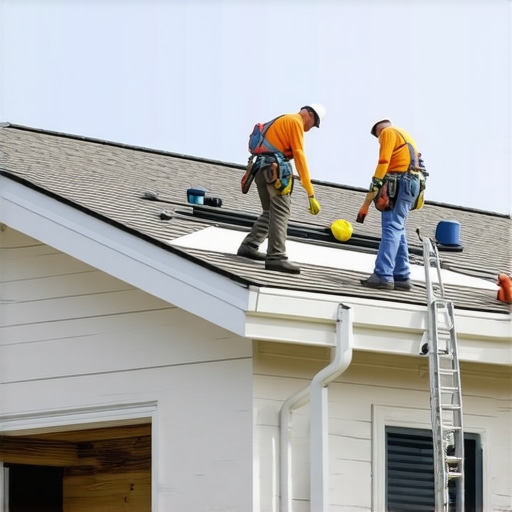
The Weight of Reality: Why Your Rafters Care About 2026 Shingle Trends
Most homeowners look at a shingle and see a color. I look at a shingle and see a structural burden. As we push toward 2026, the industry is leaning into heavier, multi-layered architectural shingles designed to withstand ‘hundred-year’ storms that seem to happen every Tuesday now. But before you let one of the local roofers slap three tons of asphalt onto your deck, you need to understand the physics of what’s happening beneath the surface. My old foreman used to say, ‘Water is patient. It will wait for you to make a mistake, and then it will move in and start eating your house from the inside out.’ He wasn’t just talking about leaks; he was talking about the slow sag of a roof system overtaxed by weight it wasn’t engineered to carry.
1. Can Your Decking Handle the ‘Heavyweight’ Class?
In the trade, we talk about a square—that’s a 100-square-foot area of roofing. In the old days, a square of three-tab shingles weighed maybe 200 pounds. Today’s high-performance shingles for 2026 are pushing 350 to 450 pounds per square. If you have an older home in a place like Buffalo or Minneapolis, your roof was built for the lighter stuff. When you add that extra mass, you’re not just ‘upgrading’ your protection; you’re testing the hydrostatic pressure limits of your fasteners. I’ve seen 1×6 tongue-and-groove boards groan under the weight of premium laminate shingles because the installer didn’t check the span rating. If that plywood feels like walking on a sponge, it’s not just rot—it’s fatigue.
“Roofing systems must be designed to support the loads prescribed by the building code, including the weight of the roofing materials themselves.” – International Residential Code (IRC), Section R907
2. The ‘Shiner’ Problem: Are You Nailing Into Air?
Weight requires grip. When local roofers move fast, they miss the rafters. We call these shiners. In a cold climate, a shiner is a disaster waiting to happen. During the winter, warm air leaks from your living space into the attic—a process known as an attic bypass. That warm air hits the cold metal of the missed nail, condenses, and turns into an icicle. When it thaws, it drips. Now, combine that with a 450-pound shingle pulling on the deck. The nail hole widens, the capillary action draws water uphill under the shingle during a freeze-thaw cycle, and suddenly your ’50-year’ roof is failing in year five. You need to ask your roofing companies exactly how they plan to verify nail engagement on a high-load system.
3. Thermal Bridging and the Heavy Shingle Paradox
Heavier shingles often mean more asphalt and more heat retention. In 140°F attic temperatures, that weight becomes a liability if your ventilation isn’t dialed in. If your roofer isn’t talking about a cricket behind your chimney or the R-value of your attic insulation, they aren’t looking at the whole system. A heavy shingle on a hot, poorly ventilated deck will ‘cook’ from the bottom up. The oils in the asphalt migrate, the granules loosen, and you’ll hear them washing down your downspouts like gravel after the first spring rain. It’s not just about the weight of the material; it’s about the thermal mass and how it affects the expansion and contraction of the roof deck.
“A roof is only as good as its flashing and its ability to breathe.” – National Roofing Contractors Association (NRCA) Manual
4. The Warranty Trap: Why ‘Lifetime’ is a Marketing Term
Don’t get sucked into the ‘Lifetime Warranty’ talk. Most of those documents are written by lawyers to protect the manufacturer, not your living room. If the local roofers don’t install the starter strip and the valley flashing according to the exact technical specs of these new 2026 weight-rated products, the warranty is void before the first nail is driven. You need to ask if they are using stainless nails if you’re near the coast, or if they are accounting for the uplift ratings required by your local zone. If they shrug and say ‘we always do it this way,’ run. The physics of roofing has changed; their habits should too. [image] “,