
The Forensic Scene: Walking Through a Failure
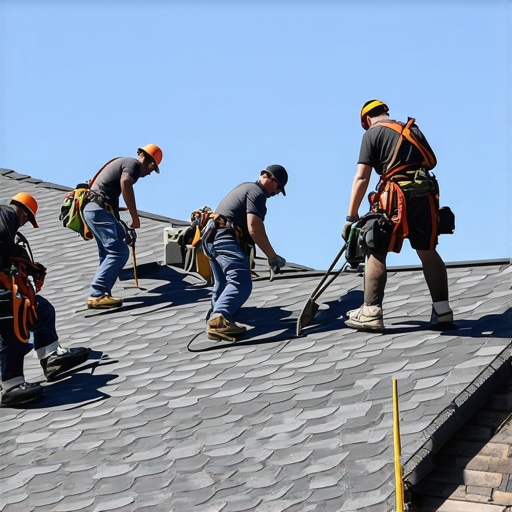
Walking on that roof felt like walking on a wet sponge. The sun was beating down, a steady 108°F in the shade, but on that deck, it was closer to 160°F. I didn’t need to pull a single shingle to know exactly what I’d find underneath. The homeowner was complaining about shingles slipping into the gutters, a classic sign of what happens when a local roofer thinks a nail gun is a magic wand. Beneath those tabs, the plywood had the consistency of wet cardboard because the thermal expansion of the roof had literally pulled the fasteners through the mat. This wasn’t a storm issue; it was a physics issue. Most roofing companies are still installing like it’s 1995, but as we push into 2026, the margin for error has evaporated.
The Material Truth: Asphalt vs. The Southwest Sun
When you’re looking at roofing companies today, they love to pitch the ‘Lifetime Warranty.’ Let’s be real: that’s marketing fluff designed to make you feel warm and fuzzy while your investment bakes. In high-UV environments like ours, the enemy isn’t just rain; it’s the relentless molecular breakdown of the bitumen. In 2026, the standard for securing shingle tabs has moved beyond just ‘more nails.’ We are looking at the chemical composition of the sealant strip itself. Thermal shock is the silent killer. When a roof goes from 160°F at 4:00 PM to 65°F at midnight, the shingles want to move. If they aren’t bonded properly, they don’t just sit there; they saw themselves against the nail heads.
‘A roof is only as good as its flashing.’ – After twenty-five years on the deck, I’d add: ‘And a shingle is only as good as its bond.’
The Physics of Tab Adhesion: Mechanism Zooming
Let’s get into the weeds. Most people think a shingle stays on because of the nails. Wrong. The nails keep it from sliding off the roof in the first five minutes, but the sealant strip is what keeps the roof on the house during a wind event. This is a polymer-modified bitumen strip that requires activation heat. If a hack installer puts your roof on in the dead of winter without hand-sealing, or if they leave the release film on, you’ve got a ticking time bomb. By 2026, premium shingles are using pressure-sensitive adhesives that trigger a molecular cross-linking when compressed. This isn’t just glue; it’s a chemical weld. If the roofer misses the nail line—even by a half-inch—they create a shiner. That missed nail is a direct conduit for moisture to travel via capillary action. Water finds that steel, rusts it out, and suddenly that 130-mph wind rating means absolutely nothing.
The Warranty Trap: Why Most Local Roofers Fail
The average salesman in a polo shirt will promise you the moon. They’ll talk about 50-year coverage. But read the fine print. Most of those warranties are voided the second a square of shingles is installed over a saturated deck or with the wrong fastener length. If your roofer isn’t checking the ventilation, they are cooking your shingles from the inside out. I’ve seen 30-year shingles turned to crackers in seven years because the attic was a literal oven. The International Residential Code (IRC) is very specific about net free ventilating area, yet I see guys blocking soffit vents with insulation every single week. It’s negligence, plain and simple. If your roofer isn’t talking about the intake-to-exhaust ratio, they aren’t a roofer; they’re a shingle-slapper.
‘The building envelope shall be designed and constructed to provide a continuous water-resistive barrier.’ – IRC Section R703.1.1
The 2026 Fastening Standard: Beyond Six Nails
In the trade, we talk about ‘high-nailing.’ It’s the quickest way to ruin a roof. When a nail is driven too high, it misses the double-layer common bond. This means the wind only has to fight a single layer of fiberglass mat to rip the shingle off. In 2026, the best roofing companies are moving toward mechanical bonding reinforced by starter strips that are fully adhered to the drip edge. This prevents the ‘zipper effect,’ where one loose tab allows the wind to get a fingernail under the rest of the course. We’re also seeing the rise of crickets at every chimney and wide-valley metal transitions. If your roofer is still using ‘closed-cut’ valleys in a high-heat zone, they are asking for the shingles to crack and bleed out. You want open valleys with heavy-gauge flashing to let the debris and heat escape.
How to Pick a Contractor Who Isn’t a Ghost
So, how do you find someone who knows their flashing from a hole in the ground? First, stop looking for the lowest bid. The lowest bid is usually someone who is going to skip the Ice & Water Shield in the valleys or reuse your old, rusted-out lead boots. Ask them about their fastening pattern. Ask them how they handle thermal expansion at the rake edges. If they look at you like you have two heads, show them the door. A real forensic-minded contractor will talk to you about the deck integrity and the uplift ratings of the specific shingle series they are using. They should be looking for signs of deck rot before they even give you a price. If they don’t get in your attic, they don’t know your roof.
The Cost of Waiting: Don’t Let the Sponge Get Worse
Every time it rains and those tabs aren’t secure, a little bit more water wicks into the plywood. It starts as a stain on the ceiling and ends with a mold remediation bill that makes the cost of a new roof look like pocket change. The tech in 2026 allows for a roof that can survive the Southwest’s brutal cycle, but only if it’s installed by someone who respects the trade. Don’t let a ‘trunk slammer’ turn your home into a forensic case study for guys like me.