
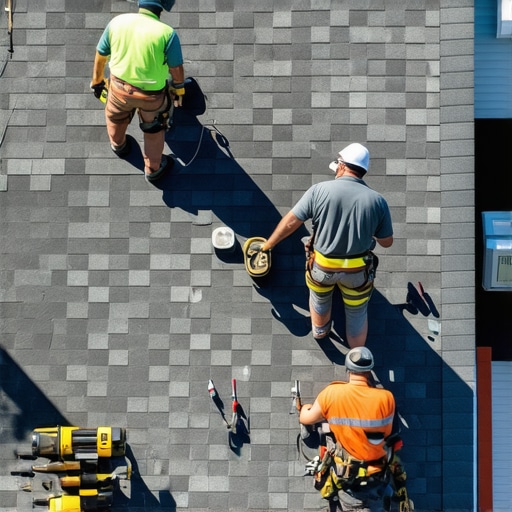
The Forensic Reality of the 2026 Roof Deck
Walking onto that roof in the damp chill of a November morning felt like walking on a giant, wet kitchen sponge. Every step had a sickening give, a soft compression that told me the structural integrity of the OSB underneath had long since departed. I didn’t need to tear off a single shingle to know what was happening. I could smell it—the earthy, cloying scent of wet rot and stagnant attic air. When we finally pulled the first square of shingles, the plywood didn’t just come up; it crumbled like wet graham crackers. This wasn’t a product failure; it was a systemic collapse caused by a local roofer who didn’t understand the simple physics of air movement in a cold climate. In 2026, as asphalt technology pushes toward higher polymer counts and better UV resistance, the mistakes remain the same: bad ventilation, lazy flashing, and a total disregard for the laws of thermodynamics.
Why Most ‘New’ Roofs are Already Failing
If you are hiring local roofers today, you aren’t just buying a material; you are buying a thermal envelope. The asphalt shingle of 2026 is a complex composite, often SBS-modified to handle the wild temperature swings we see in the northern zones. But that shingle is useless if the person installing it doesn’t understand capillary action. Water is a patient predator. It doesn’t just fall off your roof; it clings, it climbs, and it seeks out any gap in your step-flashing or any poorly executed valley. When roofing companies rush through a job, they leave behind what we call ‘shiners’—nails that missed the rafter and sit exposed in the attic space. On a sub-zero night, those nails turn into frost-covered spears. When the sun hits the roof the next morning, that frost melts, dripping onto your insulation, destroying your R-value, and eventually rotting your ceiling from the inside out.
“Where a roof slope is less than 4:12, two layers of underlayment are required, applied in a shingle fashion.” – International Residential Code (IRC) R905.1.1
Question 1: How Do You Manage the ‘Thermal Bypass’ in the Attic?
When you interview roofing professionals, don’t ask about the color of the shingles. Ask about the attic bypass. A roof in a cold climate fails because of warm air leakage. If your contractor isn’t looking at your soffit vents and your baffles, they aren’t a roofer; they’re a shingle-slapper. In 2026, we are seeing a massive surge in ice damming because homes are better insulated but poorly ventilated. The heat gets trapped, melts the bottom layer of snow on the roof, and that water runs down to the cold eave where it freezes solid. Without a proper ice and water shield membrane that extends at least 24 inches inside the interior wall line, that water is going to find its way behind your fascia boards and into your bedroom. A real pro will explain how they intend to balance intake and exhaust to keep that roof deck cold.
Question 2: Are You Installing a ‘Cricket’ Behind My Chimney?
I have seen more local roofers skip the cricket than I care to count. A chimney is a massive brick obstacle in the middle of a water highway. If your chimney is wider than 30 inches, the building code mandates a cricket—a small peaked structure designed to divert water away from the back of the masonry. Without it, water pools, debris builds up, and the constant hydrostatic pressure eventually forces its way through the flashing. I’ve seen chimneys that looked fine from the street but were literally standing in a puddle of rot because the last company didn’t want to spend the extra thirty minutes framing a proper diverter. This is where the ‘cheap’ quote starts to look very expensive three years down the road.
Question 3: What Is the Plan for Galvanic Corrosion and Fastener Integrity?
In 2026, we are dealing with increasingly aggressive weather patterns. This means higher wind loads and more wind-driven rain. If your roofing companies are using standard electro-galvanized nails in a high-moisture or salt-air environment, they are setting a timer on your roof’s lifespan. We look for stainless steel or hot-dipped galvanized fasteners that won’t snap when the shingles start to expand and contract. This is thermal expansion at work. An asphalt roof isn’t a static object; it’s a living thing that grows and shrinks every day. If the nails are driven too deep (over-driven) or at an angle, the shingle will eventually tear away during a high-wind event. We call this ‘blow-off,’ and it’s almost always an installation error, not a product defect.
“A roof is only as good as its flashing; the shingle is merely the aesthetic skin covering the true waterproof assembly.” – Old Roofer’s Adage
The ‘Lifetime Warranty’ Marketing Mirage
Don’t let a salesperson dazzle you with a ‘Lifetime Warranty’ certificate. Read the fine print. Most of those warranties only cover the material, and they are prorated. They don’t cover the labor to tear off the old roof or the cost of the plywood they ruined. More importantly, they don’t cover ‘improper installation.’ If your local pro skips the drip edge or uses the wrong starter strip, that manufacturer warranty is void before the truck even leaves your driveway. You need a contractor who provides a redundant workmanship warranty that they actually have the insurance to back up. The real value isn’t in the shingle; it’s in the forensic attention to detail at the penetrations—the pipes, the vents, and the valleys where 90% of all leaks occur. If they aren’t talking about the physics of water shed, they don’t know the trade well enough to be on your house.
Final Forensic Check: The Drip Edge and the Starter Course
The last thing I check when auditing a site is the perimeter. Many local roofers skip the drip edge to save a few hundred bucks. Without it, water wicks back under the shingles via surface tension and rots the edge of the roof deck. A proper 2026 asphalt installation requires a heavy-gauge aluminum drip edge and a dedicated starter course that is offset from the main shingles. This prevents the first row from being lifted by the wind and keeps the water moving off the roof and into the gutters where it belongs. If you see them cutting up regular shingles to use as a starter, fire them on the spot. That’s a shortcut that leads to a forensic nightmare in five years. Your roof is a system, not a collection of parts. Make sure your pro treats it that way.