
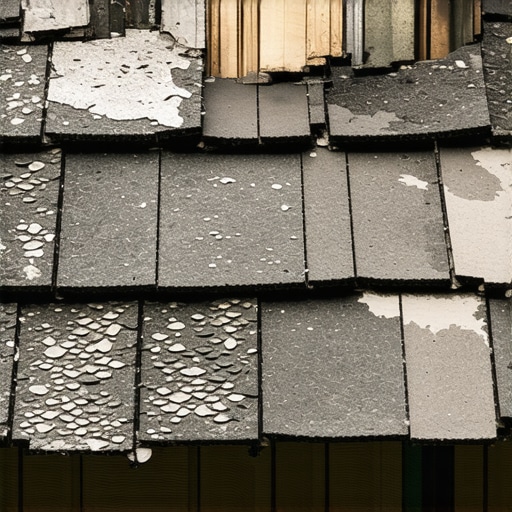
The Forensic Scene: Walking on a Sponge
The last roof I inspected in the Philadelphia suburbs looked like a million bucks from the driveway. New architectural shingles, clean gutters, the whole nine yards. But the moment I set my boot on the first square near the eave, my stomach dropped. The deck didn’t just give; it breathed. It felt like walking on a wet sponge. I knew exactly what I’d find when we pulled those boards: a ecosystem of black mold and oatmeal-consistency OSB. The homeowner was shocked. He’d hired local roofers just three years ago. What he didn’t realize is that water is a patient predator, and his roof was failing from the inside out due to poor thermal bridging and trapped attic moisture.
The Physics of Failure: Why Roofs Rot Early
We need to talk about the 2026 reality of roofing. Most roofing companies are still installing systems based on 1990s climate data. In the Northeast, we are seeing more frequent freeze-thaw cycles. This creates a vapor drive that pushes warm, humid air from your shower and kitchen directly into the attic. If your local roofers didn’t balance the intake and exhaust ventilation, that moisture hits the cold underside of the roof deck and turns into liquid water. It’s not a leak in the traditional sense; it’s a self-inflicted drowning of your structural plywood.
“A roof is only as good as its flashing and its ability to breathe; without proper ventilation, you are simply building a slow-motion greenhouse over your head.” – Old Roofer’s Adage
The Capillary Action Trap
Water doesn’t just fall down. It climbs. Through capillary action, moisture can be pulled upward between two flat surfaces—like the gap between a shingle and a poorly installed starter strip. Once that water sits against the drip edge, it begins to wick into the edge of the plywood. By the time you see a brown spot on your ceiling, the structural integrity of your roofing deck is likely already compromised. This is why forensic inspection is different from a sales pitch. We look for the shiners—nails that missed the rafter and are now cold enough to collect frost in the winter, dripping onto your insulation every time the sun hits the roof.
5 Signs of Under-Roof Rot You Can’t Ignore
1. The Rusty ‘Shiner’ Warning
If you have access to your attic, grab a flashlight. Look for the tips of the nails poking through the wood. If they are orange and rusted, you have a humidity problem. Those nails are acting as thermal bridges, pulling the freezing outdoor temperature into your warm attic and condensing water. This is a primary indicator that your roofing companies failed to address air sealing.
2. Shadowing on the Eaves
Look at the very edge of your roofline. Do you see dark, damp-looking stains on the fascia boards or the underside of the soffit? This often means the ice and water shield was either omitted or installed without being tucked into the gutter. Water is backing up under the shingles and rotting the very bottom of the deck.
3. The ‘Trampoline’ Effect
You shouldn’t be on your roof if you aren’t a pro, but if you see local roofers walking and the shingles seem to dip or bounce under their weight, the plywood has delaminated. The glue holding the wood layers together has failed because of constant moisture exposure. At this point, you aren’t just looking at a repair; you’re looking at a surgery of the entire deck.
4. Granule Loss in Concentrated Valleys
When the wood underneath a valley starts to rot, it loses its flat profile. It begins to sag. This change in pitch causes the shingles above it to stress and crack, dumping their protective granules into the gutter. If you see a pile of ‘sand’ in your downspout, it’s often the shingle’s way of screaming that the wood beneath it is moving.
5. The Moldy Rafter Tell
Rot doesn’t stay in the plywood. It travels. If you see white or black fuzzy growth on the rafters, the moisture level in your roof system has exceeded 20% for a prolonged period. This is where local roofers often suggest a ‘quick fix’ like more fans, but if the wood is already soft, the structure is compromised.
“The building envelope must be designed to manage both liquid water and water vapor. Failure to do so leads to premature structural degradation.” – International Residential Code (IRC)
The ‘Band-Aid’ vs. The ‘Surgery’
Most local roofers will try to sell you a patch. They’ll slap some mastic or caulk on a flashing and call it a day. But if the under-roof rot has already started, that’s like putting a band-aid on a gunshot wound. You need a forensic tear-off. We have to get down to the rafters, check for thermal expansion issues, and ensure the cricket behind your chimney is actually diverting water instead of pooling it. Don’t be fooled by ‘Lifetime Warranties.’ Most of those only cover the material, not the labor to replace the rotted wood that failed because of bad installation. When choosing roofing companies, ask them about their ventilation calculations. If they can’t explain the Net Free Area of your soffit vents, they aren’t roofers—they’re shingle-slappers.