
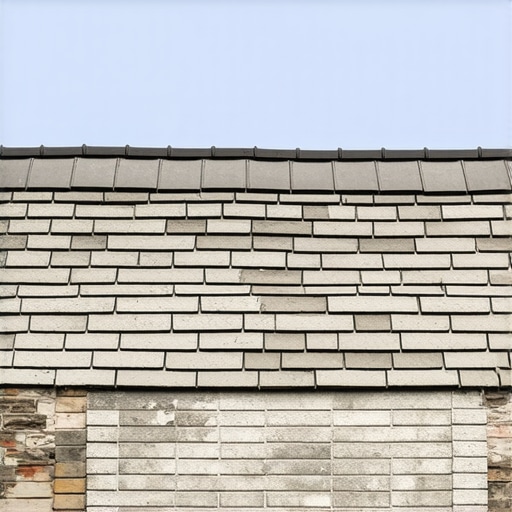
The Anatomy of a Failure: Why Your Ridge Is Screaming
It starts with a rhythmic drip… drip… drip… onto the drywall in your upstairs hallway. You call out local roofers, and they point to the very peak of your house. Most homeowners treat the ridge cap as an afterthought—a decorative crown to finish the aesthetic. In reality, it is the most abused square foot of real estate on your entire property. It sits at the thermal nexus where your house tries to exhale 140-degree attic air while the exterior is being hammered by sleet and sub-zero wind chills. My old foreman, a guy who had seen every storm since the ’78 blizzard, used to say, ‘Water is patient. It doesn’t need a door; it just needs a microscopic crack and a little bit of gravity.’ By the time you see the stain on the ceiling, the ridge has been failing for two seasons. As we look toward the wear patterns emerging in 2026, we are seeing a specific set of failures in modern high-profile ridge shingles that every homeowner needs to recognize before the structural rot sets in.
1. The ‘Hinge’ Fracture: When Flexibility Fails
Modern ridge caps are often thicker than standard field shingles to provide a ‘high-profile’ look. While aesthetically pleasing, this thickness creates a physics problem. During the installation, the roofer has to bend these heavy-duty strips over the peak. This creates massive tension on the outer edge of the shingle. By 2026, after several cycles of extreme thermal expansion and contraction, we are seeing the asphalt ‘hinge’ start to split. Imagine a piece of plastic that you bend back and forth until it turns white and snaps; that is exactly what is happening to your roof. In the Northeast, where we deal with massive thermal swings, that tiny hairline crack becomes an entry point for wind-driven rain. Once the moisture hits the fiberglass mat, the shingle loses its structural integrity. If your local roofers walk the peak and see ‘alligatoring’ along the fold, the shingle is no longer a waterproof barrier; it’s a sponge.
“A roof is only as good as its flashing and its highest point of drainage.” – The Architecture of Protection, 19th Ed.
2. Fastener Fatigue and the Dreaded ‘Shiner’
The ridge cap is held down by long nails that must penetrate the cap, the field shingles, and eventually bite into the OSB or plywood deck. The problem is ‘thermal pumping.’ As the sun bakes the ridge, the wood deck expands and contracts. This creates a piston-like movement on the nail. If the installer missed the rafter—creating what we call a ‘shiner’—that nail is only held by a thin sheet of plywood. Over time, the nail ‘backs out.’ You’ll see it as a small bump under the shingle or, worse, an exposed nail head. Once the nail head is exposed, water follows the shank of the nail straight down into your attic bypass. This isn’t just a leak; it’s an invitation for mold to colonize your insulation. The 2026 wear profiles show that fasteners on the windward side of the house are failing 30% faster due to constant vibration from high-velocity gusts.
3. Granule Scouring and UV Vitrification
Granules are the sunscreen of your roofing system. Without them, the raw asphalt is exposed to UV radiation, which ‘cooks’ the oils out of the material. On a ridge cap, the granules are under constant stress because of the slope. In our forensic inspections, we’re seeing ‘bald’ spots at the very peak. This is often caused by birds perching or simple erosion from heavy snow slides. When the granules go, the asphalt becomes brittle and develops micro-fissures. If you look into your gutters and see what looks like coffee grounds, your ridge caps are likely the first casualty. According to the International Residential Code (IRC), shingles must be installed according to manufacturer specifications to maintain their fire rating; once those granules are gone, your fire resistance drops significantly.
“The weather-resistant covering shall be applied in accordance with the manufacturer’s installation instructions.” – IRC Section R905.1
4. Sealant Strip Desiccation
Ridge caps are supposed to be bonded to the shingle below them with a factory-applied sealant strip. However, in the high-heat environment of the roof peak, these adhesives can become ‘desiccated’ or dried out. When the adhesive fails, the ‘tab’ of the ridge cap can lift. All it takes is a 40-mph gust to catch that lip. Once the shingle is bent backward, the ‘seal’ is broken forever. You can’t just squirt some caulk under there and call it a day. That’s a ‘band-aid’ fix that will fail within six months. Real forensic roofing requires a ‘surgical’ replacement of the affected square. If you see the edges of your ridge caps curling like a stale piece of ham, the adhesive has failed, and your ridge is currently ‘floating.’
5. The Capillary Action Trap
This is the most subtle sign of wear. When ridge caps are installed, they are overlapped. If the overlap is too short or if the shingles have shifted due to poor nailing, water can be drawn upward between the layers via capillary action. In the winter, this water freezes, expands, and tears the shingles apart from the inside out. In 2026, we are seeing this more frequently because of ‘speed-installing’ where crews aren’t checking the 5-inch exposure rule. If you see moss or algae growing between the overlaps of your ridge caps, you have a capillary moisture problem. The water is sitting there, rotting the mats and eventually the wood deck below. It’s a silent killer that most roofing companies miss during a standard ‘drive-by’ estimate.
The Forensic Conclusion: Repair or Replace?
When you call local roofers to inspect these signs, don’t settle for a ‘roof tune-up’ that just involves a tube of roofing cement. Roofing cement is a temporary fix for a permanent problem. If your ridge caps are showing these 5 signs, the asphalt has reached its chemical limit. You are better off investing in a full ridge replacement—tearing off the old caps, inspecting the ridge vent for debris, and installing new, high-impact shingles with stainless steel fasteners that won’t corrode. Water is patient, but you shouldn’t be. Waiting until the ceiling drips means you’re no longer just paying for a roofer; you’re paying for a drywaller, a painter, and a mold remediation specialist. Get on the ladder, check the peak, and look for the signs of the 2026 wear cycle before the next storm hits.