
The Invisible Drain: Why Your Roof is Failing from the Inside Out
I’ve spent three decades crawling through attics that smelled like a damp basement in a horror movie, and if there is one thing I’ve learned, it’s that most local roofers don’t know a damn thing about air. They know how to bang a nail and they know how to lay a square of shingles, but they don’t understand the invisible physics that turns a $20,000 roof into a pile of rotting organic felt in less than a decade. My old foreman used to say, ‘Air is like a ghost; it finds every hole you forgot to plug, and it brings its luggage with it.’ That luggage? Humidity.
As we move into 2026, the building codes are getting tighter, and the ‘old way’ of just slapping on some vents and calling it a day is a recipe for disaster. We are seeing a massive uptick in forensic failures because modern homes are designed to be airtight, yet the attic remains a chaotic warzone of temperature differentials. When you hire roofing companies today, you aren’t just hiring shingle installers; you are hiring amateur building scientists. If they aren’t talking about attic air loss, they are setting you up for a catastrophic failure of the roof deck.
The Physics of the ‘Ghost’: How Air Loss Destroys the Deck
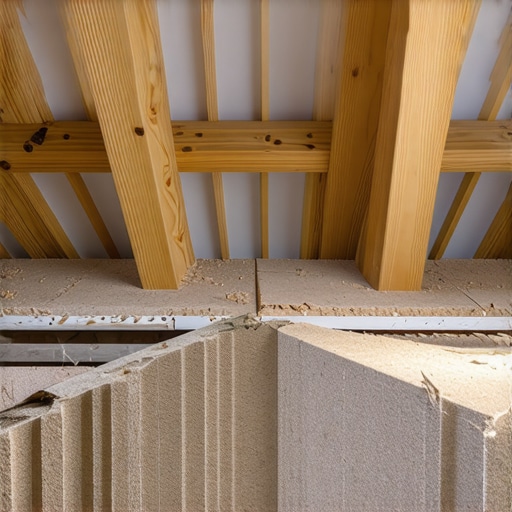
Let’s talk about Mechanism Zooming. Imagine the ‘Stack Effect.’ In the winter, your heated air rises. It’s light, it’s energetic, and it wants out. It finds every ‘attic bypass’—those tiny gaps around your chimney, the recessed ‘can’ lights in your kitchen, and the plumbing stacks. This isn’t just ‘warm air’ escaping; it’s a high-pressure stream of moisture. [IMAGE_PLACEHOLDER] When that 70-degree air hits the 20-degree underside of your plywood sheathing, physics takes over. We call it the ‘dew point.’ The air can no longer hold its moisture, and it flash-freezes or condenses directly into the wood. This isn’t a leak from the rain; it’s a leak from your living room. Over time, that plywood turns into what I call ‘oatmeal.’ You can literally poke a screwdriver through it.
‘A roof is only as good as its flashing, but it’s only as long-lived as its ventilation.’ – Old Roofer’s Adage
Sign 1: The ‘Shiner’ Frost Syndrome
The first sign of 2026 attic air loss is what we in the trade call ‘shiners.’ A shiner is a nail that missed the rafter and is just hanging out in the attic space. In a house with poor air sealing, these nails act as thermal bridges. They get ice-cold because they are connected to the exterior temperatures. When your warm interior air leaks into the attic, it finds these cold nails and condenses. In the dead of winter, you’ll see frost growing on them like tiny white fur coats. When the sun hits the roof, that frost melts, dripping onto your insulation. If your roofing contractor didn’t check for shiners or address the bypasses, you’ll find brown circles on your ceiling that look like roof leaks, but they are actually ‘attic rain.’ Most local roofers will try to sell you a patch job on the shingles, but they are treating the symptom, not the disease.
Sign 2: Compressed Insulation and Convective Loops
Go into your attic and look at the fiberglass batts. Is the pink or yellow fluff looking grey and matted down? That’s not just age; that’s filtration. Fiberglass insulation is essentially a giant air filter. When air leaks through the top plate of your walls (the ‘attic bypass’), it carries dust and skin cells. The insulation traps the dirt, turning grey over time. More importantly, this air movement creates ‘convective loops.’ This is the mechanism where air moves *through* the insulation rather than the insulation stopping the heat. Your R-value might say R-49, but if air is moving through it, it’s effectively an R-5. This causes the roof deck to stay too warm, leading to the dreaded ice dam. In the North, this is the silent killer. The snow melts at the peak, runs down to the cold eaves, and freezes, backing up under your Ice & Water Shield and eventually into your soffits.
Sign 3: The Rusty Gusset Plate
If you have a truss-built roof, look at the metal ‘gusset plates’—those silver spiked plates that hold the wood together. If you see orange rust blooming on them, you have a major air loss problem. These plates are the coldest surfaces in the attic. Rust on a gusset plate is forensic proof that your 2026 attic environment is way too humid. When these plates rust, they lose their structural integrity. I’ve seen roofing companies ignore this, only for the roof to sag five years later because the trusses are literally pulling apart. This isn’t a material defect; it’s a failure of the home’s thermal envelope.
‘The transition from the conditioned space to the unconditioned attic is the most critical interface in modern residential construction.’ – International Residential Code (IRC) Commentary
The Surgery: How to Actually Fix It
You don’t fix air loss with more shingles or a bigger ridge vent. That’s like putting a louder exhaust on a car with a blown engine. You need ‘surgery.’ This means pulling back the insulation and air-sealing the ‘top plates’ with two-part expanding foam. It means sealing the wire penetrations and the ‘bypasses’ that the original builder was too lazy to plug. A real roofing expert will look at your attic floor before they even look at your shingles. If you ignore this, you are just throwing money into the wind. The cost of waiting isn’t just a higher utility bill; it’s the cost of replacing the entire roof deck, the rafters, and potentially dealing with a mold remediation team that will charge you more than the roof itself. Don’t listen to the ‘trunk slammers’ who say you just need more ‘air flow.’ You need control.