
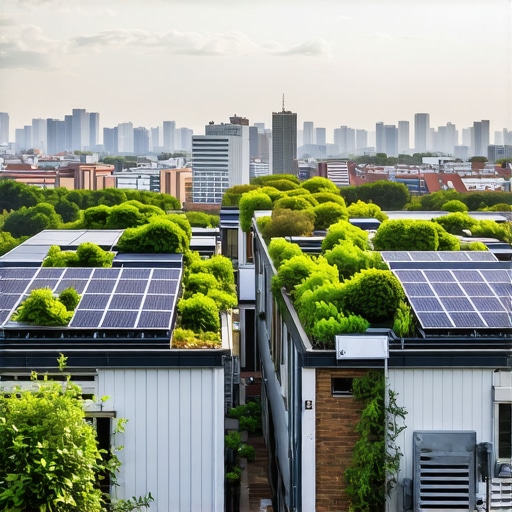
The Anatomy of a Fried Roof in the Silicon Valley Sun
Walking on that roof in San Jose last August felt like traversing a field of scorched glass. I knew exactly what I’d find before I even pulled my ladder off the rack. The homeowner was complaining about a skyrocketing AC bill and a ‘musty’ smell in the master closet. As my boots crunched against the brittle, UV-blasted asphalt, I wasn’t looking at a roofing system; I was looking at a thermal battery that was cooking the house from the top down. I pulled a single shingle, and it snapped like a dry cracker. Underneath, the felt was so desiccated it turned to black dust in my hands. This is the reality for most roofing companies today: they install for the brochure, not for the physics of a 110-degree afternoon. When we talk about eco-friendly roofing in 2026 tech hubs, we aren’t just talking about ‘saving the planet.’ We’re talking about preventing your attic from becoming a 160-degree convection oven that kills your HVAC unit and rots your rafters from the inside out.
“A roof is not merely a cover; it is a thermal regulator that dictates the longevity of the entire structure.” – Modern Building Science Manual
1. The Physics of Albedo: Cool Roofs and Reflective Coatings
In high-density tech hubs like Austin or San Francisco, the ‘Urban Heat Island’ effect is a silent killer. Standard dark shingles absorb up to 90% of solar radiation. A ‘Cool Roof’ utilizes granular technology to bounce that energy back into the atmosphere. We are talking about high-albedo materials that keep the surface temperature 50 degrees lower than traditional asphalt. When local roofers talk about ‘Solar Reflective Index’ (SRI), pay attention. This isn’t marketing fluff; it’s the difference between your attic being a sauna or a storage space. I’ve seen roofing systems fail because the heat was so intense it literally melted the adhesive on the starter strip, causing the whole first course to slide. A cool roof stops that thermal degradation before it starts.
2. Building Integrated Photovoltaics (BIPV): The 2026 Solar Standard
Forget the clunky blue panels bolted onto your house with lag bolts—those are leak magnets. In 2026, we are seeing the rise of BIPV. These are solar cells integrated directly into the shingles or metal panels. From a forensic perspective, this is a double-edged sword. If installed by a hack, you have hundreds of electrical penetrations and ‘shiners’—nails that missed the rafter and now act as conduits for condensation. But when done right, with proper step flashing and a dedicated cricket to divert water around the arrays, it’s the ultimate eco-solution. It’s about roofing that pays for itself while maintaining a water-tight seal.
3. The ‘Infinite’ Metal Roof: Recyclability Meets Resilience
If you want a ‘forever roof’ for a modern tech hub, you go with standing seam metal. It’s 100% recyclable, and in many cases, it’s made from 75% recycled content. The magic here is the air gap. We often install these on 1×4 furring strips, creating a ‘thermal break.’ This allows air to move underneath the metal, venting heat out the ridge before it ever touches your roof deck. No more ‘baked’ plywood. I’ve torn off metal roofs that were 50 years old where the wood underneath looked like it came straight from the lumber yard yesterday. It’s the antithesis of the ‘disposable’ asphalt culture.
4. Vegetative ‘Green’ Roofs: The Living Filter
In hubs where stormwater runoff taxes the city sewers, green roofs are the gold standard. They aren’t just dirt on a roof; they are complex layers of root barriers, drainage mats, and growth media. The forensic failure point here is always the valley. Water is patient; if there is a pinhole in the membrane, the constant moisture of a garden will find it. You need a roofing contractor who understands hydrostatic pressure, not just a landscaper with a shovel. A green roof can reduce a building’s energy use by 30%, acting as a massive carbon sink and a natural insulator.
5. Recycled Composite Shingles: The Plastic-Rubber Hybrid
We are seeing a massive influx of shingles made from recycled tires and post-consumer plastics. These are engineered to be ‘Class 4’ impact rated. While your neighbors are calling their insurance adjusters after a hailstorm, these shingles just bounce the ice off. The ‘Mechanism Zooming’ here is fascinating: the polymers in these shingles are designed to handle ‘Thermal Expansion’ without cracking. Unlike asphalt, which loses its oils and becomes brittle, these composites stay flexible for decades. Just make sure your local roofers use stainless steel fasteners; you don’t want the shingle to outlive the nail.
“Water is a relentless investigator; it will find every shortcut you took during installation.” – The Forensic Architect’s Axiom
6. White TPO Membranes for Flat Tech-Plazas
Many modern tech-hub homes feature flat roofs or ‘roof decks.’ For these, Thermoplastic Polyolefin (TPO) is the king of eco-efficiency. It’s a heat-welded system. No glue to fail, no fumes. The white surface reflects UV rays so effectively you can stand on it barefoot in July. The trap? People treat them like patios without proper protection. I’ve seen TPO ruined by high-heel punctures and furniture legs. If you’re going eco-friendly with TPO, you need a ‘walkway pad’ strategy or you’ll be hunting for leaks within two seasons.
7. The Radiant Barrier Revolution
Sometimes the best eco-solution is hidden. A radiant barrier is a thin layer of highly reflective foil applied to the underside of the roof sheathing. It doesn’t stop heat conduction, but it stops radiant heat transfer. It’s the difference between standing under a tree or standing in the direct sun. In a tech hub attic, this can drop the temperature by 30 degrees. This preserves the life of your roofing materials from the bottom up, preventing the wood from ‘cooking’ and keeping your shingles from reaching that critical failure temperature where the oils evaporate.
The Warranty Trap: Why ‘Lifetime’ is a Lie
Don’t get sucked into the ‘Lifetime Warranty’ marketing. Most of those are ‘Limited’ and prorated to zero after 10 years. In the world of roofing companies, a warranty is only as good as the company’s lifespan. Most ‘trunk slammers’ are gone in 5 years. For a truly eco-friendly and sustainable roof, you aren’t buying a product; you are buying an installation. You want a contractor who talks about ‘intake ventilation’ and ‘exhaust balance’ more than they talk about the color of the shingle. If the airflow isn’t right, even the most expensive eco-roof will fail prematurely.