
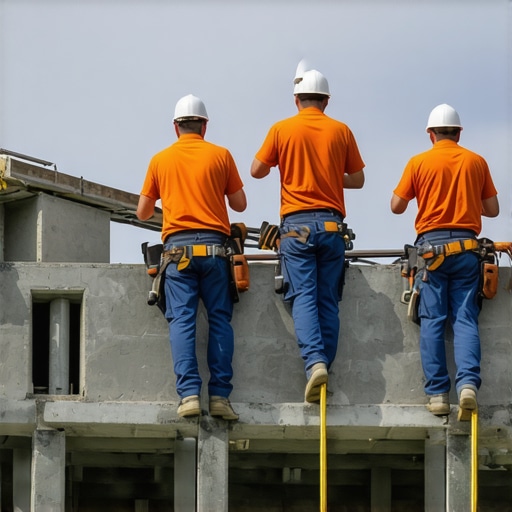
I stepped onto a clay tile roof in the high desert last August, and it felt like walking on a pile of sun-bleached eggshells. The heat radiating off the surface was enough to cook a steak, but the real horror was hidden underneath. I lifted a tile near the ridge and saw it: charring on the underside of the battens. No wildfire had reached this house yet, but the attic was so poorly ventilated that it was effectively a slow-cooker for the roof structure. I knew exactly what I’d find when I got into the crawlspace—the smell of baked resin and plywood that had lost all its structural integrity. This is why 2026 roofing companies are shifting their entire philosophy. They aren’t just putting on a lid anymore; they are installing fire-blocks and thermal barriers that act like a firewall for your biggest investment.
The Physics of the Ember Attack
Most homeowners think a roof catches fire because a flame touches it. That’s rarely how it happens in the Southwest. It’s the embers. These tiny, glowing coals can travel miles in the wind, looking for a way in. They find a valley or a cricket where leaves have collected, or they get sucked into the soffit vents like a vacuum. Once they are inside that attic space, the ‘chimney effect’ takes over. Hot air rises, drawing more oxygen in, and before the fire department even arrives, the house is gutted from the inside out. Fire-blocks in 2026 aren’t just physical chunks of wood; they are sophisticated intumescent strips and non-combustible venting systems designed to snap shut when the temperature hits a specific threshold.
“The primary purpose of fireblocking is to resist the free passage of flames to other areas of the building through concealed spaces.” – International Residential Code (IRC) Section R302.11
When local roofers talk about a square of roofing today, they aren’t just talking about 100 square feet of shingles. They are talking about a multi-layered defense system. In the desert heat of 115°F, your roof deck can easily hit 160°F. This constant thermal expansion and contraction—what we call thermal shock—destroys the bond between the granules and the asphalt. If you’re using cheap felt paper, it’s going to be brittle within five years. By 2026, the industry has moved toward synthetic underlayments that don’t just shed water; they reflect UV radiation and provide a secondary fire rating that can withstand an ember for hours, not minutes.
The ‘Shiner’ Problem and Structural Integrity
You can buy the most expensive fire-rated materials on the market, but if you hire a ‘trunk slammer’ who doesn’t know how to swing a hammer, you’re throwing money into a furnace. I’ve seen thousands of shiners—nails that missed the rafter and are just sticking through the plywood. Not only do these cause leaks through condensation drips, but they act as heat sinks. In a fire, those metal nails conduct heat directly into the combustible wood deck. Professional roofing companies now use specific fastening patterns and stainless steel or high-zinc galvanized nails that won’t melt or corrode when the salt air or desert minerals get to them.
The Trap of the ‘Lifetime’ Warranty
Don’t let a salesperson distract you with a ‘Lifetime Warranty’ brochure while ignoring the cricket behind your chimney. Most of those warranties are marketing fluff. They cover ‘manufacturer defects,’ which are rare. What they don’t cover is poor ventilation or ‘acts of God’ like a wildfire ember. If your roofer isn’t talking about fire-blocks at the gable ends and the eaves, they are selling you a 2010 roof in a 2026 world. You need a system that manages the hydrostatic pressure of wind-driven rain and the literal fire-pressure of the modern climate. A roof is only as good as its flashing, and in the desert, it’s only as good as its ability to breathe without letting the fire in.
“A roof is not merely a lid; it is a system of managed physics.” – National Roofing Contractors Association (NRCA) Field Manual
Why Fire-Blocks Are Non-Negotiable
By 2026, local roofers are being forced by insurance companies to adopt these fire-blocking measures. If you don’t have them, your premiums are going to skyrocket, or worse, you’ll be dropped entirely. We are looking at the ‘Material Truth’ here: asphalt shingles are fine, but they need to be part of a Class A assembly. Metal roofing is great for fire, but it can turn your attic into an oven if you don’t have a radiant barrier and proper fire-rated intake. The surgery of a full tear-off is expensive, but it’s the only way to ensure those fire-blocks are installed at the wall-to-roof transition. If a contractor tells you they can just ‘roof over’ your old shingles, run. You can’t install a modern fire-block system over a layer of 20-year-old combustible trash.
The Forensic Conclusion
The cost of waiting is higher than the cost of the upgrade. When you see your neighbor’s roof shingles flapping in a monsoon wind, or you see the smoke on the horizon, that’s not the time to wonder if your roofer used fire-blocks. You check the valleys, you check the soffits, and you make sure every square is fastened to withstand the new normal. Local roofing companies that survive the next decade are the ones who stop selling aesthetics and start selling survival physics. Don’t settle for a contractor who doesn’t understand the difference between a water-tight seal and a fire-tight assembly. Your house depends on those three inches of material between the sky and your ceiling.