
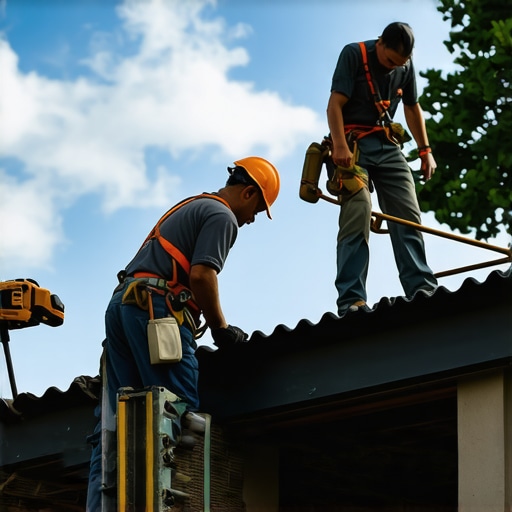
The Forensic Reality of the 2026 Warranty Landscape
Walking on that roof felt like walking on a sponge. I knew exactly what I’d find underneath: a graveyard of delaminated OSB and rusted-out fasteners that hadn’t seen a dry day in a decade. As a forensic roofer, I don’t just look at shingles; I look at the crime scene. Most homeowners think a new roof is a one-and-done deal, but with the 2026 warranty standards looming, the gap between what you think you’re buying and what local roofers are actually installing is widening. The smell of damp, fermented plywood is the scent of a warranty that failed before the first rain even hit. You see, the big manufacturers are tightening their belts. By 2026, the fine print is going to be even more microscopic. If you’re hiring roofing companies based on a flashy brochure and a ‘Lifetime’ promise, you’re likely setting yourself up for a financial autopsy ten years down the line.
“A roof system’s performance is highly dependent on the environment and the quality of the installation.” – National Roofing Contractors Association (NRCA)
Myth 1: The ‘Lifetime’ Warranty Actually Means Your Lifetime
Let’s kill this one first. When roofing salesmen throw around the word ‘Lifetime,’ they aren’t talking about your 80-year lifespan. They are talking about the ‘expected life of the product,’ which, in the eyes of a manufacturer’s legal team, is often 25 to 40 years—and that’s only if the stars align. By 2026, these warranties are moving toward a more aggressive pro-rated scale. This means after year ten, your ‘Lifetime’ protection might only cover 20% of the material costs. They won’t mention that while you’re signing the contract. They won’t explain that the asphalt shingles on your roof are undergoing a constant state of molecular degradation. Every time the sun beats down, UV radiation breaks down the bitumen oils. In a cold climate like the North, the thermal expansion and contraction—the roof literally breathing as it freezes and thaws—tears at the bond between the granules and the matting. If you don’t have the specific 2026-compliant underlayment, that ‘Lifetime’ promise is as thin as the paper it’s printed on.
Myth 2: Labor Costs are Always Covered if the Product Fails
This is the trap that catches 90% of homeowners. You notice a leak, the manufacturer agrees the shingle is defective, and they send you a check for… the shingles. Who pays for the three guys sweating on a 10/12 pitch roof to tear the old ones off? Who pays for the disposal fees at the dump? Usually, it’s you. Most basic warranties from local roofers only cover the material. In the industry, we call this a ‘shingle-only’ warranty. To get labor coverage in 2026, you generally have to use a ‘Certified’ or ‘Master’ level contractor who installs a complete ‘System.’ This means using the same brand’s starter shingles, hip and ridge caps, and ice and water shield. If the roofer mixes brands to save fifty bucks on a square, he just voided your labor warranty. I’ve seen it a thousand times: a ‘shiner’ (a misplaced nail) driven through the wrong part of the laminated common bond, causing a leak three years later. The manufacturer blames the installer, the installer is out of business, and you’re holding a bill for five thousand dollars in labor.
Myth 3: Warranty Transfers are Automatic and Free
Selling your house in 2027? Don’t assume the new owners are covered. The 2026 standards are making warranty transfers a bureaucratic nightmare. Most require the new owner to notify the manufacturer in writing within 30 to 60 days of the closing. Many also charge a transfer fee or—worse—automatically convert the warranty to a limited 10-year period the moment the deed changes hands. This isn’t just a ‘crucial’ detail; it’s a value-killer for your home. When we do a forensic inspection for a buyer, the first thing we look at is whether the original roofing companies filed the paperwork correctly. If there’s no record of the ‘System’ registration, that warranty is effectively dead. Water is patient; it will wait for the next homeowner to find the flaw you didn’t know existed.
Myth 4: Attic Ventilation Doesn’t Impact Your Warranty Coverage
This is the silent killer. In cold climates, your attic is a pressure cooker of humidity and heat. If your local roofers didn’t calculate the Net Free Venting Area (NFVA), your 2026 warranty is a fantasy. Manufacturers are now requiring proof of proper ventilation to honor claims. Why? Because an overheated attic cooks the shingles from the inside out. I’ve stepped onto roofs where the shingles were curled like potato chips because the 140°F attic heat had baked the volatiles right out of the asphalt. This isn’t a material defect; it’s an installation failure. If you don’t have a proper cricket to divert water around your chimney or enough intake vents at the soffits, the moisture stays trapped, rots the decking, and the manufacturer walks away clean. They’ll point to the ‘Installation Instructions’ printed on the side of every bundle of shingles, which specifically mandate ventilation levels according to building codes.
“Roof replacement shall include the removal of existing layers down to the roof deck.” – International Residential Code (IRC) R908.3
Myth 5: ‘Acts of God’ are Covered Under the Manufacturer Warranty
Don’t confuse a warranty with insurance. If a hailstone the size of a golf ball obliterates your roofing, that’s an insurance claim, not a warranty claim. The manufacturer covers manufacturing defects—granule loss that shouldn’t happen, or adhesive strips that fail to seal. However, the 2026 warranties are introducing stricter ‘Wind Ratings.’ If your roof is rated for 110 mph but a storm hits 115 mph, you are on your own. We look for ‘scouring’—where the wind has whipped the shingles up and down, snapping the fiberglass mat. If the local roofers didn’t use the high-wind nailing pattern (six nails instead of four), the manufacturer will deny the claim based on improper fastening. It’s a game of millimeters. A nail placed half an inch too high can reduce the wind resistance of a shingle by 50%.
The Physics of a Long-Lasting Roof
To avoid the forensic autopsy of your own home, you have to understand the physics of the system. It starts with the drip edge, which prevents water from wicking back into the fascia boards through capillary action. Then comes the ice and water shield, a self-adhering membrane that seals around every nail to prevent leaks from ice dams. If your roofer skips these ‘minor’ components, the 2026 warranty becomes a moot point because the structure underneath will fail first. Don’t be fooled by the lowest bid. The ‘cheap’ guy is cheap because he isn’t paying for the certifications that guarantee your warranty is actually registered with the manufacturer. The final walk-through isn’t just about how it looks from the curb; it’s about knowing that every valley is flashed with metal and every cricket is built to shed water, not trap it. In the end, the only warranty that matters is the one backed by a contractor who understands that water always wins unless you respect the physics of the roof.