
The physics of Mile High ice
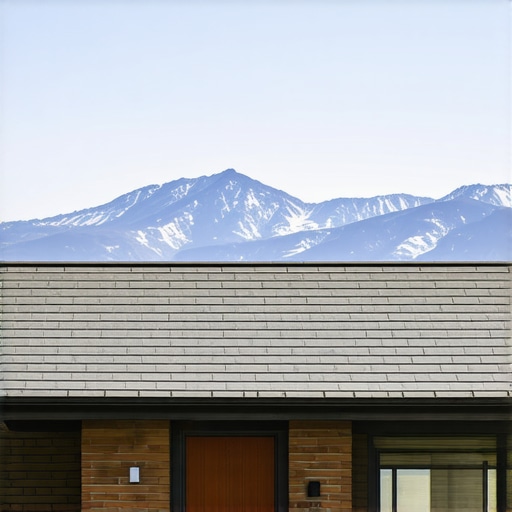
The scent of damp graphite on a fresh blueprint is a comfort until the sky over the Front Range turns that bruised, sickly shade of green. You can hear the roar coming off the Flatirons before the first pebble hits. In Denver, a roof isn’t just a covering; it’s a sacrificial shield that usually fails because we design for aesthetics rather than the brutal reality of kinetic energy. For 2026, the gold standard involves F-Wave Synthetic Shingles, stone-coated steel, and high-density copper accents that actually hold their shape. A roof is a structural promise. In Denver, we are currently breaking that promise every three to five years because we treat asphalt like a permanent solution. The immediate answer for homeowners is this: prioritize materials that handle kinetic shock through molecular flexibility rather than brittle hardness. If your material cannot bounce, it will shatter.
[image_placeholder]
Steel disguised as tradition
I see the blueprints for these modern builds in LoDo and they often ignore the terminal velocity of atmospheric ice. When a two-inch hailstone falls at ninety miles per hour, it carries enough energy to shatter standard asphalt mats regardless of how many granules are glued to the top. The internal structure of the assembly matters more than the brand name on the wrapper. Real professionals, such as those at Peak to Peak Roofing & Exteriors, emphasize that the integration of a secondary water barrier is what saves the attic when the primary layer is inevitably tested. We are seeing a massive shift toward stone-coated steel. It provides the weight-bearing capacity of traditional materials without the catastrophic failure rate of wood shakes. It is about the relationship between the roof deck and the underlayment. If the deck breathes, the shingle lives. If the deck is suffocated by cheap felt, the system fails from the inside out before the first storm even hits the horizon. This is a matter of structural integrity, not just curb appeal. (I’ve seen too many grand designs ruined by a single July afternoon storm to think otherwise.)
Beyond the Class 4 rating myth
Denver roofing is a unique beast because of the altitude. The UV rays here cook shingles at a rate thirty percent faster than at sea level. This makes the bitumen brittle, and brittle things break under impact. If you are in Highlands Ranch, Aurora, or Wash Park, you are living in a high-velocity hail zone. Local ordinances are slowly catching up, but they are often the floor, not the ceiling of quality. You need a system that breathes in the July heat but stays flexible when the October storms roll in. Most industry veterans are now looking at SBS-modified shingles (Styrene-Butadiene-Styrene). This rubberized asphalt allows the shingle to act like a trampoline. When the ice hits, the shingle deforms and then returns to its original shape. Standard shingles just crack. It is the difference between a glass pane and a rubber mat. One is a legacy product; the other is a 2026 necessity for anyone who doesn’t want to spend their weekends arguing with insurance adjusters.
Why your insurance agent won’t tell you the truth
The messy reality is that a Class 4 rating is a laboratory victory, not a field guarantee. I have stood on roofs in Cherry Creek that looked like Swiss cheese despite being rated for major impact. The friction lies in the installation. If the roofing nails are over-driven by a fraction of an inch, the shingle loses its ability to flex. The entire system becomes a series of fracture points. You need a contractor who understands the torque of a pneumatic gun in thin air. Furthermore, the insurance industry is quietly changing their policies to ‘Actual Cash Value’ for roofs over ten years old. This means if you have a standard roof, you are effectively self-insuring after a decade. Upgrading to a hail-proof system like synthetic slate or heavy-gauge metal isn’t just about protection; it’s a financial hedge against a changing climate and a shrinking insurance pool. It’s a bitter pill, but a necessary one for the Denver market.
The Front Range blueprint for 2026
The old guard relied on thick asphalt and hope. The 2026 reality is polymer chemistry and rigorous engineering. Will metal roofs make my house hotter? No, modern stone-coated steel reflects more thermal energy than asphalt, often lowering cooling costs in the summer. Does insurance cover the upgrade? Usually, you pay the difference between the base shingle and the upgrade, but the premium discount often pays for itself in three to four years. Can I install hail-proof shingles over my old roof? Absolutely not. The structural integrity requires a clean, inspected deck to ensure the fasteners hold during high-wind events. Is synthetic slate worth the cost? If you plan on staying in your home for more than seven years, the ROI is undeniable when you factor in the avoided deductibles. Why did my neighbor’s roof survive when mine didn’t? Likely a combination of pitch, wind direction, and the age of the bitumen. Newer roofs have more oils and can take a hit better than old, dry ones. What is the best color for Denver roofs? Lighter greys and tans help with the UV heat island effect common in the city. Does hail damage always mean a leak? No, but it compromises the shedding ability of the shingle, leading to mold and rot three years down the line.
The future of the Denver skyline depends on moving away from disposable architecture. We need roofs that outlast the mortgage. If you are tired of the storm chaser cycle and the smell of wet drywall every spring, it is time to build for the physics of the Rockies. Stop buying shingles and start investing in a structural shield. Your home deserves a crown that doesn’t crumble at the first sign of a cloud.