
The Ghost of the Tape Measure
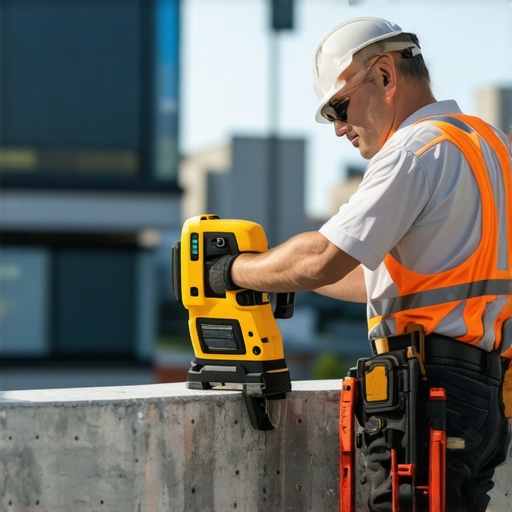
My old foreman, a man who smelled like stale tobacco and forty years of sun-baked asphalt, used to tell me every morning while we were loading the truck: ‘Water is patient. It will wait for you to make a mistake.’ He was right then, and he is right now in 2026. Back in the day, we relied on a shaky ladder, a 35-foot tape that always kinked at twenty-nine feet, and a prayer that the pitch was not steeper than our boots could handle. But ‘good enough’ does not cut it anymore. If you are interviewing roofing companies today and they are still just eyeballing your gables with a manual tape, you are looking at a future failure. Modern roofing has moved into the era of forensic precision. If local roofers are not using laser site measurement, they are basically guessing with your biggest investment.
The Forensic Physics of the Half-Inch Error
Let us talk about shiners. A shiner is a missed nail, one that hit the air instead of the rafter. In the brutal freeze-thaw cycles of the North, a single shiner is a highway for moisture. When the sun hits those shingles and the snow starts to melt, the water does not just run off. Through capillary action, it moves upward and sideways under the shingle. If the site measurement was off by even a fraction, your entire layout is compromised. The shingles do not nestle properly, the sealant strip does not engage, and suddenly you have water sitting against your deck, turning your expensive plywood into something that looks like wet oatmeal. Laser measurement systems in 2026 use LiDAR to map every square inch of the roof deck. This is not just about getting the right number of squares for the estimate; it is about ensuring that every valley and cricket is mapped to the millimeter so the flashing fits like a glove.
“A roof is only as good as its flashing.” – Old Roofer’s Adage
The Enemy: Ice Dams and Thermal Bridging
In cold climates, the roof is not just a lid; it is a complex thermal valve. When a roofing crew uses old-school measurements, they often overlook the slight bows in the roofline or the unevenness of the fascia. This leads to gaps in the ice and water shield and improper ventilation. In a 140°F attic, air needs to move. If the measurements for your ridge vents are off, you create stagnant pockets. This heat melts the bottom layer of snow on your roof, which then refreezes at the eave, creating an ice dam. The pressure from that ice is immense; it forces water back up under the shingles, through the underlayment, and onto your drywall. Laser measurement allows us to identify these structural sag points before we ever tear off a single shingle, allowing us to build up the low spots and ensure a flat, fast-shedding surface.
The Material Truth: Asphalt vs. The Elements
Most roofing companies will try to sell you on a ‘lifetime warranty.’ As a veteran who has spent 25 years on the deck, I can tell you that those warranties are often marketing fluff. They cover the material, but they do not cover the labor when the material fails because of poor installation.
“Roofing systems shall be designed and installed in accordance with this code and the manufacturer’s installation instructions.” – International Residential Code (IRC) R903.1
The laser measurement tool provides a digital twin of your home. This allows us to order pre-cut materials that fit the actual dimensions of your roof, reducing the ‘field-cutting’ where most mistakes happen. When a roofer has to hand-cut a valley on a 10/12 pitch roof in the middle of a July heatwave, mistakes are inevitable. Laser-guided precision eliminates the human fatigue factor.
How to Spot a Real Pro in 2026
When you are looking for local roofers, ask to see their measurement report. A legitimate professional will produce a 3D model of your home, not a hand-drawn sketch on a napkin. They should be able to show you the exact square footage, the linear feet of drip edge, and the precise angles of every hip. If they are still talking about ’rounding up’ to the nearest five squares, they are planning to waste your money or hide their mistakes in the extra material. You want a contractor who treats your roof like a forensic scene, investigating every potential failure point from the soffit vents to the chimney flashing. Protecting your home requires more than just a hammer and a bucket of nails; it requires the data to prove the job was done right.