
The 3:00 AM Drip: When Speed Meets Physics
The sound usually starts as a rhythmic thud against the drywall of your bedroom ceiling. It’s not a flood yet, just a reminder that the storm outside found a way in. Most homeowners call local roofers thinking they have a ‘shingle problem.’ They don’t. After twenty-five years of tearing off failures, I can tell you that 90% of the time, the shingles are fine. The culprit is a penetration—a pipe boot, a chimney, or a fan vent—that was installed by someone who cared more about beating the clock than beating the weather. In 2026, the pressure on roofing companies to move fast is higher than ever, but physics doesn’t care about a production schedule.
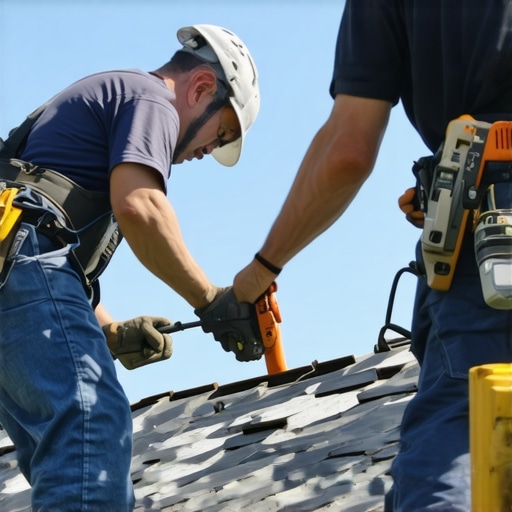
My old foreman, a grizzly guy named Sully who had lost half a finger to a slate cutter, used to tell me every morning: ‘Water is patient. It will wait for you to make a mistake. It’ll wait years for a single nail to back out or a bead of caulk to dry up, and then it’ll move in.’ He was right. When we talk about how roofing crews seal penetrations fast today, we’re often talking about the difference between a thirty-year seal and a three-year Band-Aid. [IMAGE_PLACEHOLDER]
The Forensic Autopsy of a Failed Pipe Boot
In the cold, unforgiving climate of the Northeast, the primary enemy isn’t just rain; it’s the freeze-thaw cycle and the silent killer known as the ice dam. When local roofers rush a penetration seal, they usually rely on a standard thermoplastic boot. It’s cheap, it’s fast, and it’s a ticking time bomb. Let’s look at the ‘Mechanism Zooming’ of a failure. During the day, warm air leaks from your attic (an ‘attic bypass’) and warms the roof deck. The snow melts and runs down to the cold eave, where it freezes. This creates a dam. Now, the water isn’t running off; it’s pooling. This is where hydrostatic pressure takes over. Water finds the nail heads—the ‘shiners’ that missed the rafters—and begins to work its way under the shingle courses by capillary action. If that pipe boot wasn’t integrated into the underlayment with a proper ice and water shield, that water is going straight into your insulation.
“A roof is only as good as its flashing, and flashing is only as good as the technician’s patience.” – Old Roofer’s Adage
I’ve walked on roofs that felt like a sponge, specifically around the plumbing stacks. When you pull the shingles back, you see the ‘oatmeal’—plywood that has delaminated so badly you can put a finger through it. This happens because the installer didn’t use a cricket on a wide chimney or failed to properly step-flash a wall. They used ‘mookie’—that thick, black roofing cement—to bridge the gap. Mookie is a temporary fix, not a permanent seal. In the 140°F heat of a summer attic followed by a -10°F winter night, that cement cracks. Once it cracks, the game is over.
Why 2026 Standards Require More Than Just Speed
Modern roofing companies are pivoting toward ‘fast’ systems that utilize pre-manufactured flashing kits. While these are better than a bucket of tar, they still require a surgical touch. The 2026 standard for a high-performance roof involves a multi-layered defense. First, the deck must be prepped. You can’t just slap a boot over old felt. You need a dedicated square of self-adhering membrane that bonds directly to the PVC or lead pipe. This creates a secondary water resistance (SWR) layer. If the primary shingle layer fails, the SWR keeps the house dry. This is especially vital in ‘Thermal Bridging’ zones where the temperature differential between the pipe and the roof deck is extreme.
“Roof covering materials shall be installed in accordance with the manufacturer’s installation instructions.” – International Residential Code (IRC) R905.1
The IRC doesn’t say ‘install it fast.’ It says install it right. One of the biggest mistakes I see is the ‘shiner.’ A roofer is moving fast with a pneumatic nail gun, and they fire a nail through the flange of the flashing but miss the structural decking. That nail eventually ‘backs out’ due to the natural expansion and contraction of the wood. Now you have a hole exactly where the water is designed to flow. A single shiner can rot out a 4×8 sheet of plywood over three seasons. When you’re hiring roofing companies, you aren’t paying for the shingles; you’re paying for the 100 nails that don’t go into the wrong place.
The Anatomy of a Proper Seal
To seal a penetration so it actually lasts, you have to respect the ‘shingle effect.’ Every layer must lap over the one below it. I see guys in 2026 trying to use high-tech tapes to seal the bottom of a pipe boot. That’s a cardinal sin. The bottom flange of any penetration must be on top of the shingles, while the top and sides are underneath. This allows water to stay on the surface. When a crew tries to move too fast, they often tuck the whole boot under the shingles to make it look ‘cleaner.’ All they’ve done is create a funnel that directs water behind the shingle course. In a heavy wind-driven rain, that water is moving sideways. Without that ice and water shield ‘picture framed’ around the pipe, you’re looking at a $5,000 interior repair for a $50 part.
The Cost of the ‘Trunk Slammer’ Special
The ‘cheap’ local roofers—the guys who give you a quote that’s $3,000 lower than everyone else—are almost always saving that money on the penetrations. They aren’t using lead boots; they’re using plastic. They aren’t replacing the chimney flashing; they’re ‘re-caulking’ it. They aren’t installing a cricket to divert water; they’re just piling up more shingles. The forensic reality is that a ‘cheap’ roof is the most expensive thing a homeowner can buy. You pay for it in ruined drywall, mold remediation, and eventually, a premature tear-off. If you want to know if a company is legit, ask them how they handle the ‘dead valley’ or the ‘dormer transitions.’ If they don’t mention 24-gauge steel or high-temp membrane, keep looking.
Conclusion: The Forensic Verdict
Don’t be fooled by the marketing of ’20-minute penetration seals.’ Gravity and water are the ultimate auditors; they will find every shortcut taken by a rushed crew. Whether you are dealing with a simple plumbing vent or a complex chimney cricket, the physics remain the same. Ensure your contractor is focusing on the ‘bones’ of the system—the flashing, the underlayment, and the nail placement. If they can’t explain how they are managing hydrostatic pressure, they shouldn’t be on your roof. Your home is a system, and the roof is its first line of defense. Don’t let a ‘fast’ installation become a slow disaster.