
The Sun is a Silent Hammer: Why Your Roof is Your Biggest Tax Asset
My old foreman used to say, ‘Water is patient. It will wait for you to make a mistake.’ But in the heat-blasted regions of the Southwest, water isn’t the primary predator—it is the ultraviolet radiation and the relentless thermal shock. Walking onto a roof in the middle of a July afternoon in Phoenix or Vegas feels like stepping onto a cast-iron skillet. I have seen standard asphalt shingles literally melt their own adhesive, sliding down the slope because the internal temperature of the attic hit 150°F. When you look at your tax bill and your cooling costs, you shouldn’t just see numbers; you should see the physics of your shelter failing. In 2026, the federal government is effectively subsidizing your defense against this heat through revamped energy credits, provided you stop hiring ‘trunk slammers’ who think a roof is just a layer of felt and some nails.
“Proper attic ventilation and radiant barriers are not optional in high-heat zones; they are the primary defense against premature shingle degradation and structural warping.” – National Roofing Contractors Association (NRCA)
The 2026 tax landscape has shifted. We are no longer just looking at a couple of hundred bucks back for a few extra inches of blown-in insulation. We are talking about integrated systems. If you are scouting local roofers or roofing companies, you need to ask them about the Solar Reflectance Index (SRI) and how the materials they quote will trigger the Energy Star or secondary tax incentives. A ‘shiner’—that’s a nail that missed the rafter and sticks out in the attic—is a thermal bridge that leaks heat and moisture. Similarly, a roof that absorbs 90% of solar radiation is a financial leak that drains your bank account every time the AC kicks on. Let’s look at the seven materials that actually move the needle.
1. Standing Seam Metal: The Thermal Break King
When most folks think of metal roofs, they think of a barn. But a 24-gauge standing seam system is a forensic marvel. The ‘standing seam’ means the fasteners are concealed. Why does this matter for your tax bill? Because these systems are often coated with ‘cool roof’ pigments that reflect the infrared spectrum of sunlight. The physics here is simple: if the heat never enters the metal, it never migrates through the 5/8-inch plywood decking into your living space. Mechanism zooming: Most heat transfer in a desert home is radiant. Metal has low emissivity, meaning it doesn’t ‘re-radiate’ that heat downward at night. Local roofing companies often push for corrugated panels because they are cheaper to install, but without the standing seam, you have thousands of exposed fasteners waiting to back out during thermal expansion. For the tax credit, ensure the metal is pre-painted with an approved resin that meets the 2026 emissivity standards.
[IMAGE_PLACEHOLDER]
2. Solar-Integrated Asphalt: The GAF and Tesla Evolution
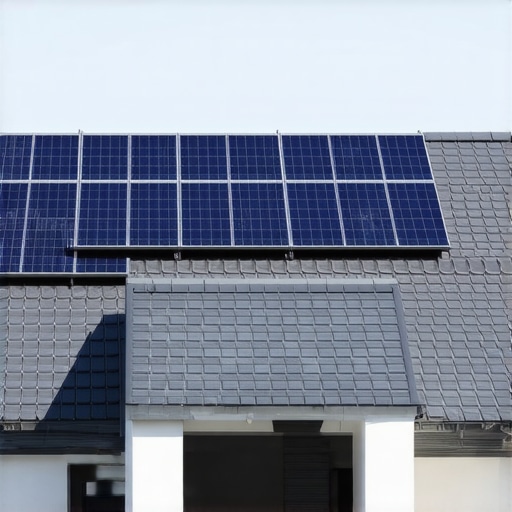
We are past the era of clunky solar panels bolted onto a roof with brackets that cause leaks. In 2026, the tax bill rewards integrated photovoltaics. These are shingles that ARE the solar panels. The ‘Solar Tax Credit’ (ITC) allows you to deduct a significant percentage of the entire installation cost—not just the solar components—because the shingle is the substrate. I’ve inspected dozens of these ‘active’ roofs. The key failure point isn’t the cell; it’s the flashing. You need a roofing company that understands ‘crickets’—those small peaked structures behind chimneys that divert water. If your solar installer doesn’t know what a cricket is, run. You’ll be trading a lower tax bill for a rotten roof deck in five years.
3. Cool-Rated Architectural Shingles
Not everyone wants a metal roof. For the traditionalists, architectural shingles have evolved. These aren’t your grandpa’s 3-tab shingles that would blow off in a light breeze. The 2026 variants use specially engineered granules that reflect UV light. Normally, asphalt is a sponge for heat. But by using ‘cool’ granules, the shingle temperature can stay 30 to 50 degrees lower. This prevents the ‘oatmeal’ effect where the plywood deck softens and loses its structural integrity. From a tax perspective, look for shingles that carry the Energy Star label; many states offer additional rebates on top of federal credits for these ‘reflective’ asphalt products.
“Reroofing shall be done in accordance with the International Residential Code (IRC), ensuring that the roof assembly provides a continuous weather-resistive barrier.” – International Code Council
4. Concrete and Clay Tile with Elevated Battens
In the Southwest, tile is king for a reason: thermal mass. It takes a long time for a concrete tile to heat up. However, the secret to the tax-saving ‘Cool Roof’ credit isn’t just the tile itself—it’s the ‘Above Sheathing Ventilation’ (ASV). When we install tiles on elevated battens, we create a channel for air to move from the eave up to the ridge. This convective loop carries heat away before it ever touches your house. If your local roofers are just nailing tiles flat to the deck, they are doing it wrong. You want that air gap. It’s the difference between wearing a heavy wool coat and standing under a parasol. The tax credits for tile often focus on the recycled content and the high SRI ratings of the glazes used on the surface.
5. Stone-Coated Steel: The Hybrid Heavyweight
Imagine the strength of steel with the look of a Mediterranean tile. Stone-coated steel is lightweight, which means you aren’t stressing the trusses of an older home. Because it’s metal, it qualifies for many of the same high-reflectivity tax credits as standing seam. I once investigated a roof after a massive hailstorm; the asphalt roofs nearby were shredded—granules gone, fiberglass showing. The stone-coated steel roof looked like nothing had happened. Avoiding a deductible-heavy insurance claim is a tax saving in its own right, but the energy efficiency of the ‘dead air’ space beneath these panels is where the real money is made.
6. Synthetic Composite Slates
These are made from recycled polymers and rubber. They are virtually indestructible. In 2026, sustainability is a huge driver for tax incentives. By using a product that diverts tires or plastics from landfills, you can often tap into ‘Green Building’ credits. From a forensic standpoint, these are fascinating because they don’t suffer from ‘thermal shock’ cracking like real slate. They expand and contract without the internal stress that causes shingles to flap in the wind. When you’re vetting roofing companies, ask about the ‘Class 4 Impact Rating.’ High ratings often lead to lower insurance premiums, which, combined with the tax credit, pays for the roof in a decade.
7. White TPO for Residential Flat Roofs
If you have a modern-style home or a flat-roof addition, stop using rolled asphalt (torch-down). It’s a heat magnet and it cracks within seven years. TPO (Thermoplastic Polyolefin) is a white, rubber-like membrane that is heat-welded at the seams. It’s essentially a giant, white, waterproof pool liner for your roof. The reflectivity is off the charts—often over 80%. This is the gold standard for ‘Cool Roof’ tax credits. I’ve seen TPO installs where the AC units on the roof actually ran more efficiently because the ambient air around the intake was 20 degrees cooler than on a black roof. Just make sure the installer doesn’t leave any ‘shiners’ near the mechanical curbs, as TPO is unforgiving to sharp edges.
The Verdict: Don’t Let the Credits Blind You to Quality
Getting 30% back on your taxes doesn’t mean a thing if the roof leaks into your electrical panel two years from now. The physics of roofing haven’t changed: you need a solid starter strip, proper drip edges, and a contractor who doesn’t cut corners on the valley flashing. Water and heat are both looking for a way in. Your job is to use the government’s money to build a better wall. When you call local roofers, don’t ask for the ‘tax credit roof.’ Ask for the system that manages emissivity and convective airflow. That is where the real savings live. A roof isn’t just a cover; it’s a thermal valve. Make sure yours is turned the right way.