
The Wet Truth About Green Healthcare Infrastructure
Walking onto a flat roof over a busy pediatrics wing in Seattle last November, I didn’t need a thermal camera to know we were in trouble. Every step I took felt like walking on a giant, water-logged sponge. The facility manager was panicking because the drop ceilings in the exam rooms were turning into brown, saggy messes. I knew exactly what I would find underneath that single-ply membrane. It wasn’t just a leak; it was a systemic failure of physics. The previous roofing companies had installed a ‘green’ system without understanding how the Pacific Northwest moisture interacts with thermal bridges. They missed a few shiners—nails that missed the rafters and poked through the deck—which acted like cold straws, pulling warm, moist clinic air up into the assembly. That moisture hit the cold underside of the membrane, condensed, and rained back down. This is the reality of roofing: if you don’t respect the physics of water and air, no amount of eco-friendly branding will save your building.
1. Ultra-Reflective TPO: The Physics of Photons
By 2026, many local roofers will be pushing Thermoplastic Polyolefin (TPO) as the ultimate solution for clinics. When we talk about eco-friendly roofing, we are really talking about the Albedo effect. A standard dark EPDM roof can reach 170°F on a clear day. That heat doesn’t stay on the surface; it conducts through the R-value of your insulation and forces your HVAC units to work double-time. High-reflectivity white TPO intercepts those photons and bounces them back into the atmosphere. However, the forensic catch is the weld. To be truly sustainable, the seams must be fused at the molecular level using a robotic hot-air welder. If the temperature is off by even ten degrees, you get a ‘cold weld’ that looks fine for two years but fails as soon as the first major freeze-thaw cycle hits. When water gets under that membrane via capillary action, it doesn’t just sit there; it migrates. It finds the valleys and the crickets—those small diversions built behind HVAC curbs—and if they aren’t pitched perfectly, you have a 100-square bathtub sitting over your MRI machine.
“A roof is only as good as its flashing.” – Old Roofer’s Adage
2. Recycled Rubber and the Impact of Hail
Clinic roofs in the 2026 landscape will increasingly utilize recycled rubber shingles, often manufactured from old tires. From a forensic standpoint, this is brilliant for impact resistance. When hail hits a standard asphalt shingle, it creates a ‘bruise,’ fracturing the fiberglass mat and allowing UV rays to eat the bitumen underneath. Rubber, however, absorbs that kinetic energy. But here is the trade secret: you must use stainless steel fasteners. In coastal or high-humidity zones, standard galvanized nails will suffer from galvanic corrosion when they react with the proprietary polymers in the rubber. I have seen entire squares of shingles start to slide because the nail heads simply rotted away. A local roofer who doesn’t specify the fastener grade is a contractor who isn’t planning to be around in five years.
3. Vegetative ‘Living’ Roofs: Managing Hydrostatic Pressure
Green roofs are the gold standard for clinics looking to reduce the heat island effect and provide a healing environment. But you are essentially putting a swamp on top of a multi-million dollar asset. The physics of a living roof requires a secondary water resistance (SWR) layer that can handle constant hydrostatic pressure. Water isn’t just falling on this roof; it is sitting there, being held by the soil. If your drainage layer isn’t designed with a high enough flow rate, the weight of the saturated medium can exceed the structural load-bearing capacity of the deck. I once investigated a clinic where the roof started to sag because they replaced the lightweight engineered soil with standard topsoil to save a few bucks. The structural trusses began to deflect, causing the windows in the clinic below to crack. Sustainability requires structural integrity first.
4. Standing Seam Metal with Integrated PV
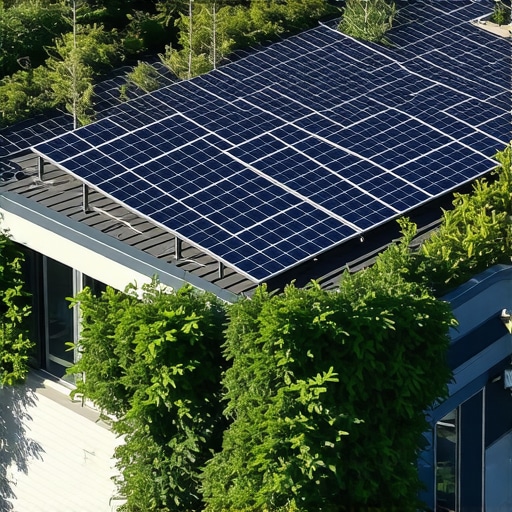
Metal is the most durable ‘green’ choice because it is 100% recyclable. By 2026, we will see ‘solar-ready’ standing seam roofs where the panels clip directly to the ribs, meaning zero penetrations. This is vital. Every time you drive a screw through a roof, you are creating a potential failure point. Thermal expansion is the enemy here. A 100-foot run of steel can expand and contract by over an inch during a 50-degree temperature swing. If the clips aren’t designed to allow for this ‘breathing,’ the metal will pull at the counter-flashing, eventually tearing the metal like a soda can. You need a contractor who understands the physics of movement, not just someone who can swing a hammer.
“The roof is the most important part of a building, for it protects everything underneath it.” – Leon Battista Alberti
5. Recycled Slate and the Weight of Tradition
For high-end clinics, recycled slate provides a 100-year lifespan. The ‘eco’ part comes from the fact that you aren’t replacing it every 15 years. However, the forensic failure point here is almost always the underlayment. People spend $50,000 on the slate but use cheap #30 felt paper underneath. Felt paper dries out and becomes brittle. In a climate with wind-driven rain, moisture will eventually get under those slates. You need a synthetic, high-temperature self-adhering underlayment. Otherwise, you’re just putting a Ferrari engine in a lawnmower frame.
The Warranty Trap
Don’t be fooled by ‘Lifetime’ warranties. Most are pro-rated and only cover the material, not the labor to tear off the old roof or the damage to the interior. For a clinic, the real warranty is the reputation of your local roofing companies. You want a 10-year workmanship warranty backed by a manufacturer’s NDL (No Dollar Limit) guarantee. If the contractor balks at an NDL, they don’t trust their own crew’s ability to avoid shiners and properly flash a cricket. In 2026, your clinic’s roof shouldn’t just be green; it should be boring. A boring roof is a dry roof.